The Texas Rangers entered the 2013 season with a roster that had already rewritten the franchise’s history. Two consecutive World Series appearances had cemented their reputation as perennial contenders, a feat once thought impossible in the heart of Texas. Yet, as the calendar turned to April of that year, an unsettling question began to simmer beneath the surface: What if the magic was fading? The promise of another deep playoff run had given way to a roster that, on paper, seemed capable of greatness—but something was undeniably amiss. This wasn’t just another offseason of roster turnover; it was the beginning of a slow unraveling, a narrative of unfulfilled potential that would leave fans and analysts alike scratching their heads. To understand what went wrong, we must dissect the 2013 Rangers not as a team in decline, but as a collection of talents that never quite coalesced into the sum of its parts.
The Illusion of Continuity: Why Familiar Faces Didn’t Guarantee Success
The Rangers’ 2013 roster was a mosaic of familiar names, a testament to the franchise’s ability to cultivate talent and retain core players. Yet familiarity bred complacency. Adrian Beltré, the defensive stalwart at third base, remained a cornerstone, his bat still potent but his body betraying the wear of years spent diving for line drives. Elvis Andrus, the fleet-footed shortstop, flashed brilliance in flashes, but his offensive production lagged behind expectations, leaving a void in the middle of the lineup. The rotation, once the envy of the league, now featured a mix of aging veterans and unproven arms. Colby Lewis, recovering from a devastating injury, and Matt Harrison, whose durability had always been his greatest asset, were asked to shoulder the burden of a staff that no longer had the depth to absorb setbacks. The illusion of continuity masked a harsh truth: the Rangers were no longer the same team that had danced on the precipice of a championship. The chemistry that had carried them through two deep postseason runs had frayed, replaced by a sense of inevitability that would prove to be their undoing.
The Rotation Roulette: Injuries and Inevitability Collide
Baseball is a game of attrition, and the Rangers’ rotation in 2013 was a masterclass in how quickly fortunes can shift. The season began with high hopes for Harrison, who had been the team’s most reliable starter in 2012. But fate, in the form of a back injury, intervened. His absence exposed the fragility of a staff that had once been the envy of the league. Martin Perez, the young left-hander with a tantalizing repertoire, showed flashes of brilliance but lacked the consistency to stabilize the rotation. Meanwhile, Derek Holland, the affable southpaw who had been a key piece of the 2011 playoff run, struggled with command, his once-reliable fastball losing its bite. The bullpen, once a strength, became a revolving door of mediocrity, with Neftalí Feliz’s velocity dip and Mike Adams’ struggles to replicate his 2012 dominance. The Rangers’ pitching philosophy, which had relied on durability and depth, crumbled under the weight of injuries and underperformance. The rotation wasn’t just bad—it was a liability, a chink in the armor that opponents exploited with ruthless efficiency.
The Offense’s Identity Crisis: Power Without Purpose
The Rangers’ offense in 2013 was a paradox: it had power, but it lacked direction. Ian Kinsler, the engine of the lineup, was traded midseason, leaving a void that was never truly filled. Mitch Moreland, the first baseman with a cannon for an arm, provided bursts of power but couldn’t sustain the offensive load. The outfield, once a strength with Josh Hamilton’s prodigious swing and Michael Young’s grit, was now a patchwork of platoons and platoons within platoons. Nelson Cruz, the slugger with a flair for the dramatic, delivered clutch hits but was also a defensive liability in right field. The lineup’s inability to string together consistent at-bats was exacerbated by a lack of table-setters. The Rangers’ approach at the plate became predictable, their power numbers inflated by isolated performances rather than cohesive production. The offense wasn’t just inconsistent—it was directionless, a ship adrift without a rudder.
The Bullpen’s Collapse: From Strength to Afterthought
The bullpen, once the Rangers’ secret weapon, became a glaring weakness in 2013. Joe Nathan, the closer who had been acquired to solidify the back end of the bullpen, struggled with his command, blowing saves and eroding the team’s late-game advantage. The middle relief, which had been a strength in previous years, was now a revolving door of mediocrity. Tanner Scheppers, the hard-throwing right-hander, showed promise but lacked the polish to be a consistent force. The bullpen’s struggles weren’t just a matter of poor performance—they were a symptom of a larger issue. The Rangers’ pitching philosophy, which had relied on a deep and versatile bullpen, had failed to adapt to the changing dynamics of the game. The bullpen wasn’t just bad—it was a liability, a chink in the armor that opponents exploited with ruthless efficiency.
The Managerial Maze: Ron Washington’s Balancing Act
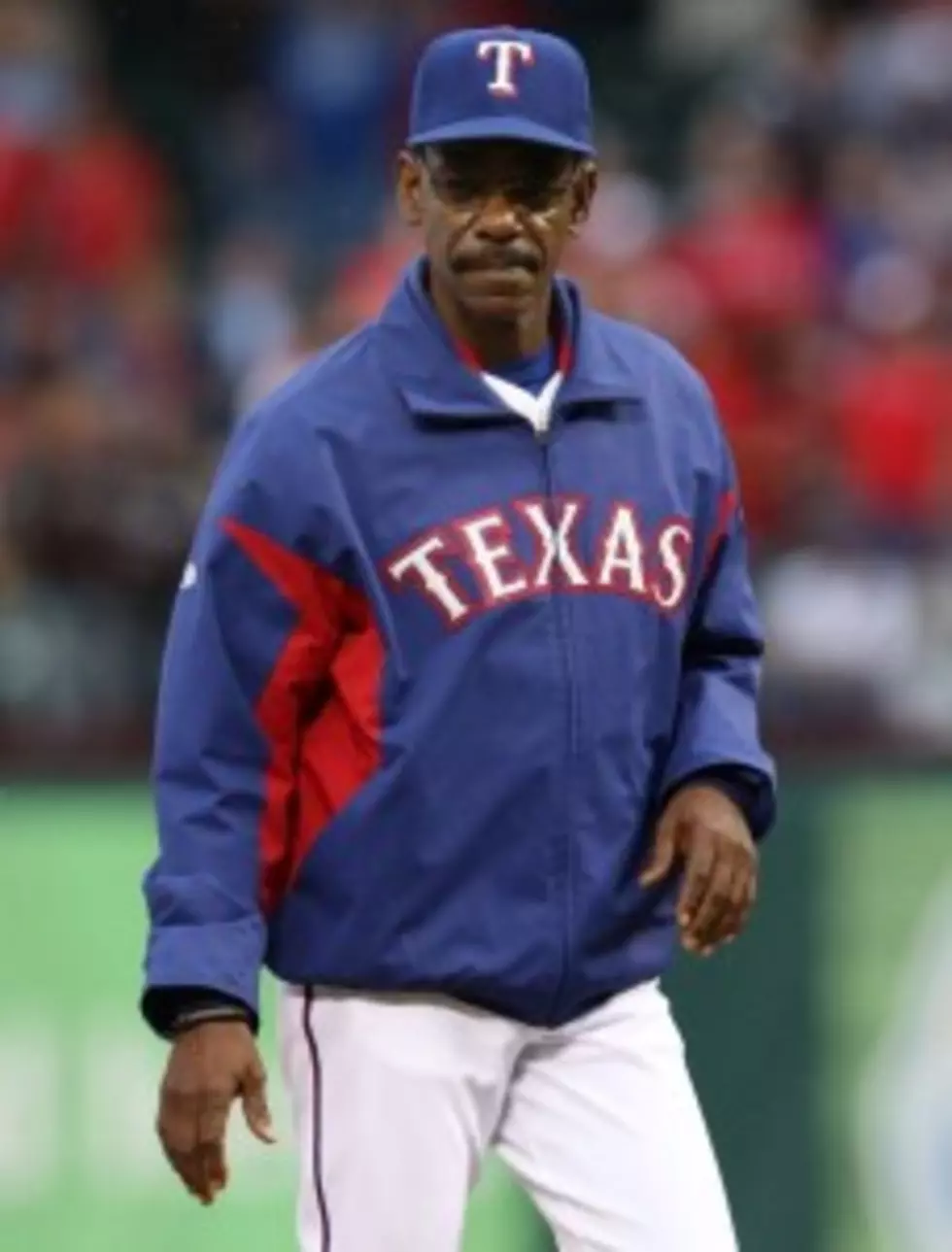
Ron Washington, the manager who had guided the Rangers to their first-ever World Series appearances, faced a daunting challenge in 2013. The roster he inherited was a far cry from the one that had pushed the St. Louis Cardinals to the brink in 2011. Washington’s strengths—his ability to manage egos, his knack for extracting maximum effort from his players—were tested by a team that lacked the cohesion and chemistry of previous years. His bullpen management became a point of contention, with closers blown and middle relievers overworked. The lineup’s struggles were compounded by Washington’s reluctance to make bold moves, such as platooning players or experimenting with unconventional lineups. The managerial maze wasn’t just a matter of poor decisions—it was a reflection of a team that had lost its way, both on and off the field.
The Front Office’s Gambit: Trades and Tinkering
The Rangers’ front office, led by general manager Jon Daniels, entered the 2013 season with a clear mandate: build on the team’s recent success. The offseason moves, including the acquisition of Lance Berkman and the trade of Michael Young, were designed to address the team’s weaknesses. Yet these gambits failed to pay dividends. Berkman, the veteran slugger, provided a brief resurgence but was ultimately a stopgap measure. The trade of Young, the longtime face of the franchise, sent shockwaves through the organization and left a void in the lineup that was never truly filled. The front office’s tinkering, while well-intentioned, lacked the foresight to address the team’s deeper issues. The result was a roster that was constantly in flux, a team that never quite found its footing.
The Aftermath: Lessons from a Lost Season
The 2013 Rangers season was a cautionary tale of unfulfilled potential. The roster that took the field that year was a collection of talents that never quite coalesced into the sum of its parts. The injuries, the underperformance, and the lack of cohesion all contributed to a season that fell far short of expectations. Yet, the lessons learned from that lost season would shape the franchise’s future. The Rangers’ front office would double down on player development, investing in young talent and shoring up the pitching staff. The managerial approach would evolve, with a greater emphasis on adaptability and innovation. The 2013 season wasn’t just a failure—it was a turning point, a moment that forced the Rangers to confront the realities of a changing game. The question that lingered in the minds of fans and analysts alike was simple: Could the Rangers recapture the magic of their peak years, or was the 2013 season a harbinger of a new, less successful era?