The journey from Minor League baseball to the Major Leagues is a dream pursued by thousands of aspiring athletes each year. However, only a select few manage to ascend through the ranks and make a lasting impact at the highest level. A fascinating aspect of this progression is the geographical diversity of talent, with players emerging from all corners of the United States. This exploration delves into the top Minor League players by state, highlighting those who have successfully transitioned to Major League Baseball (MLB). From established veterans to promising breakout stars, the narrative uncovers the roots of baseball’s next generation and the cultural regions fostering their rise.
Emergence of Minor League Talent Across States
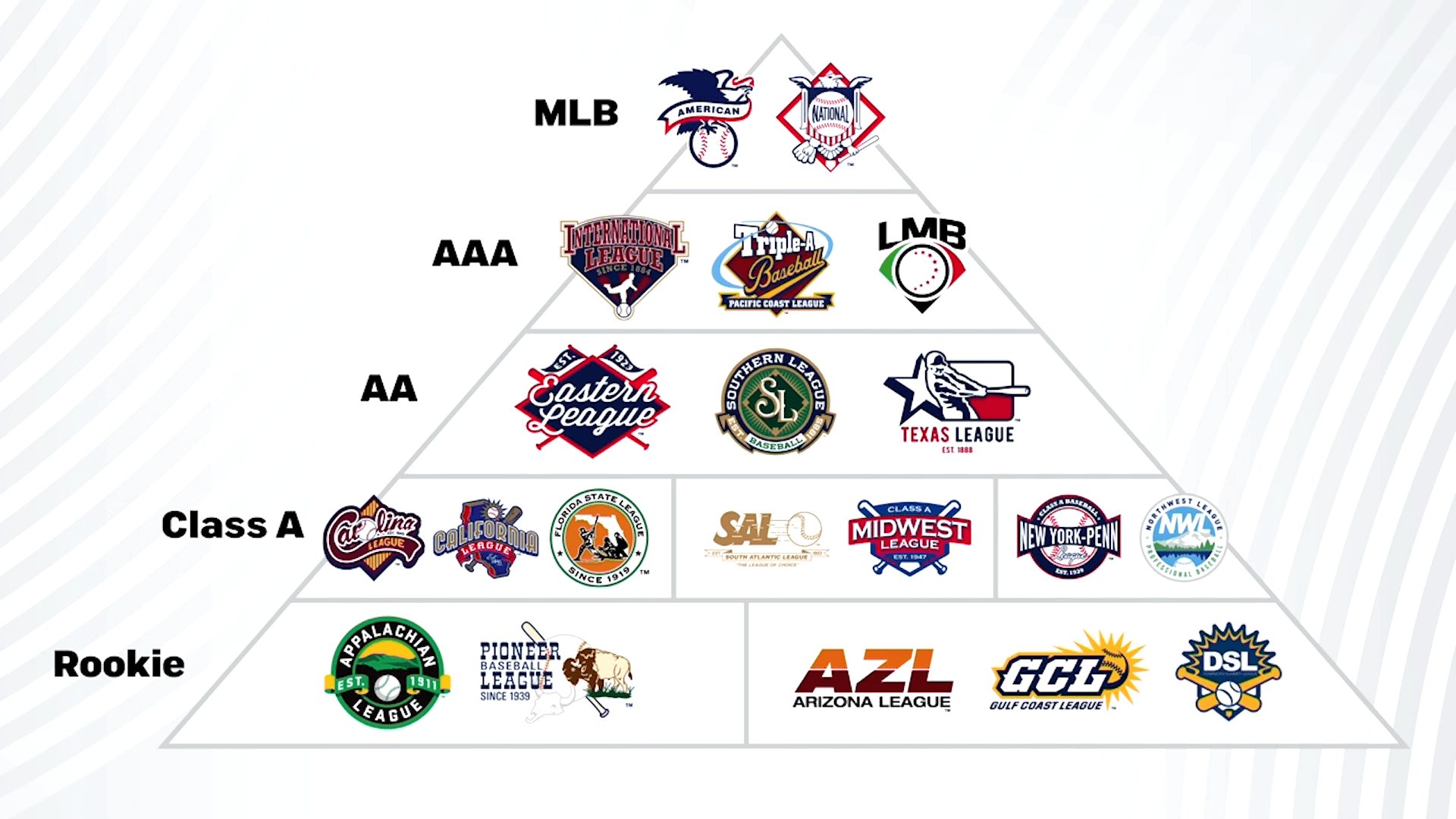
Minor League baseball, consisting of various levels like Triple-A, Double-A, and Single-A, serves as the crucible where raw talent is refined and potential is realized. Across the United States, some states consistently produce more MLB-caliber players, a fact attributable to both population density and robust youth baseball infrastructures. California and Texas stand as exemplars, boasting expansive developmental programs and competitive high school circuits that feed into professional systems. However, beyond these hotbeds, states like Florida, Georgia, and New York also have storied histories in producing Minor League standouts whose skill sets translate seamlessly into MLB contributions.
This section dissects the reasons behind the concentration of talent in certain states, analyzing climatic factors conducive to year-round play, prolific scouting networks, and the presence of collegiate baseball powerhouses that polish athletes before they enter the Minor League pipeline.
Notable Minor League Stars From California
California’s diverse and fertile baseball ecosystem has bred numerous top Minor League talent who later etched their names in MLB history. The state’s well-established Little League programs, summer travel teams, and advanced training facilities provide fertile ground for burgeoning players. Many of these athletes honed their skills in rigorous competitions across the Pacific Coast, a region synonymous with power and versatility in baseball playstyle.
Examples include multi-positional players who demonstrated resilience and adaptability in the Minor Leagues, eventually transitioning seamlessly to the majors. Their journeys epitomize the balance between raw athleticism and strategic acumen, cultivated through relentless development in California’s competitive arenas.
Texas: A Hotbed for Grit and Determination
Texas has ingrained baseball into its cultural fabric with a pronounced emphasis on tenacity and work ethic. This grit often surfaces in Minor League players originating from the state, characterized by their aggressive approach at the plate and in the field. Texas’ high school and collegiate leagues act as competitive proving grounds, emphasizing discipline and mental toughness, traits that serve players well as they traverse the demanding Minor League circuit.
Players emerging from Texas frequently distinguish themselves through above-average power hitting and pitching velocity, hallmarks of the athleticism fostered in the state’s intensely competitive environment. Detailing the stories behind these individuals reveals a tapestry of dedication that underscores Texas’ significant contribution to MLB rosters nationwide.
Florida’s Contribution: Speed and Athleticism
Florida, with its profusion of year-round outdoor baseball, has long been a fertile source of Minor League talent distinguished by speed and athleticism. The state cultivates players endowed with agility, quick reflexes, and a keen baseball IQ—key factors that often make the difference in the transition from Minor Leagues to Major League success.
Additionally, Florida-based players often exhibit versatility, excelling in multiple positions and roles. This adaptability is especially prized in MLB, where situational play can dictate roster dynamics. By exploring standout figures from Florida’s Minor League ranks, one gains an appreciation for how environment and early specialized training shape player profiles suited for the demands of the majors.
Midwestern Resilience: The Role of States Like Ohio and Illinois
The American Midwest, including states such as Ohio and Illinois, contributes significantly to baseball’s talent ecosystem. These states are often characterized by strong community support for youth and amateur baseball and a focus on fundamentals. The lengthy winters create unique challenges, encouraging players to develop mental resilience and creativity in training methodologies.
Minor League players hailing from this region often arrive in the professional ranks with polished technical skills and a measured approach to the game. Their path to the majors might not be marked by flamboyant power displays but by consistency and situational awareness—qualities that reliably prolong MLB careers.
Emerging Talent from Southern States
States such as Georgia, Alabama, and the Carolinas are rising as notable sources of Minor League players destined for Major League success. The southern states benefit from a blend of favorable climate and intensifying investments in youth sports infrastructure. Players from these states typically combine speed, strategic hitting, and an understanding of defensive versatility, making them valuable assets within professional organizations.
These southern regions have cultivated a pipeline that balances natural athletic gifts with technical refinement, propelled by dynamic coaching and increasing scouting presence. The growth in southern baseball’s prominence reflects shifting trends in player development philosophies in the U.S.
Exceptional Stories: Late Bloomers and Underdogs
Among the myriad players progressing from Minor League to MLB ranks, some stories stand out for their unexpected trajectories. Late bloomers from less traditional baseball states or players initially overlooked due to size, style, or exposure have successfully defied odds. Their perseverance in the face of adversity speaks to the evolving scouting and development systems that now recognize talent beyond conventional metrics.
These narratives highlight the importance of continual evaluation and opportunity within Minor League baseball. They also underscore the vast geographic footprint from which MLB draws its talent, emphasizing that remarkable players can emerge from any state, given the right circumstances and support.
The Impact of Collegiate Programs and High School Leagues
Collegiate baseball programs and high school leagues act as crucial intermediaries in shaping Minor League prospects. States with dominant college baseball programs—often concentrated in southern and western clusters—provide advanced coaching, competitive exposure, and academic support that mature players before entry into professional ranks.
High school leagues, similarly, are instrumental in early talent identification. States with deep-rooted high school baseball traditions often see players who are better prepared for the rigors of Minor League competition. Together, these infrastructures form the scaffolding that supports player progression across states and leagues.
Looking Ahead: Trends in Talent Distribution
As scouting becomes increasingly sophisticated and baseball’s popularity continues to globalize, the geographic distribution of Minor League talent is evolving. Emerging states investing in baseball academies and technology-enhanced training are beginning to contribute meaningful talent to the professional ranks. Moreover, demographic shifts and urbanization patterns influence the accessibility and popularity of baseball, shaping future pools of Minor League prospects.
This dynamic landscape suggests a more democratized flow of talent across all regions, reflecting broader societal trends and the adaptability of baseball’s development models.
Conclusion: A Tapestry of Talent from Every Corner
The transition from Minor League baseball to the MLB is a complex process influenced by geographic, cultural, and institutional factors. Each state contributes uniquely, shaped by its local environment, coaching resources, and community support systems. From the powerhouses of California and Texas to the emerging southern states and resilient Midwest, the story of top Minor League players is one of diversity and determination.
Understanding where MLB players come from enriches the appreciation of the sport itself. It reveals baseball as not only a game of skill and strategy but also a reflection of American regional identities and values. As the game continues to evolve, so too will the pathways forged by Minor League players across the nation, perpetuating baseball’s enduring legacy.