Ever found yourself watching a baseball game, captivated by the intricate dance unfolding on the field, yet unsure what each player is *really* doing? The diamond isn’t just lines and dirt; it’s a dynamic chessboard where strategy is mapped, and every position is strategically vital. Understanding the roles and responsibilities scattered across this playing field offers far more than just identifying names – it promises a shift in perspective, transforming a casual viewing into an appreciation of a tightly woven operational symphony. Let’s trace those familiar figures and uncover the significance behind where every player stands.
Defining the Heart: The Infield’s Crucial Core
The infield is the operational epicenter, the space where the most critical exchanges often transpire – from the initial pitch to the attempted turn-of-the-year double play. It encompasses the four bases: first, second, third, and home plate, flanked by the pitcher and catcher. Each spot within this quadrangle dictates distinct actions and possesses unique geometric significance.
Positioned defensively just behind first base typically assumes the mantle of **First Baseman**. This isn’t merely waiting by the base; it’s about alert anticipation. Their wide-angle view often serves as a crucial early warning system for potential bunt attempts or stolen base movements towards second. Effective footwork, shuffling to cover the grass beyond the bag, and adept gloved pocket management are prerequisites for fielding errant throws. Sometimes, the sheer geometry allows a player just inside the infield grass a clearer angle to catch a sharply hit ball scooting through the left side gap towards base. The ability to position oneself strategically, based on batter stance or pitch selection, is vital. This isn’t just a position; it’s one of primary run prevention points for the defense.
Next to the first baseman, near second base, stands the **Second Baseman**. Often seen shuffling deeper on most pitches, this role is intrinsically linked to anticipation off the speed of the batter and the pitcher’s delivery. They’re usually positioned slightly ahead of the drawn position for the batter, ready to react should a ground ball be hit right at them or towards the shortstop or third baseman. They’re also the designated home for the pivot man (or pivot woman), readying to guide the runner to third on a stolen base attempt. Precision footwork is paramount, especially when turning a double play. The sudden, coordinated movement often seen involves the shortstop and second baseman converging from their respective deep and middle positions. This fluid adjustment, born from constant communication (“Covered!”) requires exceptional timing and coordination.
Nestled between second and third base, the **Shortstop** commands perhaps the most challenging fielding responsibility in terms of range. Geometrically positioned to cover the vast expanse between the two adjacent infielders, they must frequently adjust their stance based on the batter’s box position (in/out of the box). When the batter pulls the ball (hitting off the dirt towards the line), the shortstop often drops back slightly, providing a better angle for throws towards the bag nearest to the hit ball. Deeply implicated in double plays, their deepened stride or dropping back is a tell-tale sign anticipating a sharply hit ground ball towards third or first. They frequently handle sharply hit one-hopper from the right side. Their range overlaps significantly with the third baseman, creating a fluid zone responsibility that demands both individual skill and teamwork.
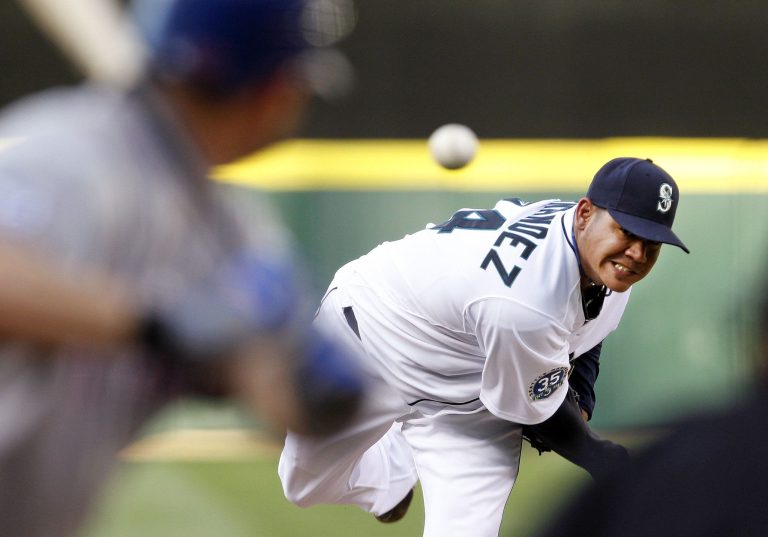
Around the mound looms the **Pitcher**, the architect of the offensive- defensive standoff. While pitching is an art form involving numerous elements beyond positioning (stances, mechanics), the fielder directly behind them assumes the critical role of the **Catcher**. This isn’t just any backstop occupant. The catcher orchestrates the defense, managing the pitching sequence, signaling pitches, blocking pitches, receiving throws for tag plays, and controlling the running game from behind the plate. The intricate geometry between the catcher and home plate, versus the runner, dictates signals for stealing, intentional walks, and strategic defensive alignments. They stand as the last line of defense physically closest to the batter and the base, making their position both symbolically and literally central to the diamond’s operations.
Expanding Horizons: The Outfield Domain
Beyond the infield’s defined squares stretch the outfield, an area where anticipation, peripheral vision, and calculated positioning go hand-in-hand. No longer bound by immediate proximity to the batter, outfielders must cover a significantly greater expanse while reacting to the ball’s trajectory mid-flight. This requires constant adjustment throughout the at-bat, often responding to pitch location or batter tendencies.
While not a fixed position in the same way as infield spots, the **Outfielders** (Left Field, Center Field, Right Field) are essential. Usually, their initial alignment slightly beyond the fence reflects the common pitch trajectory and pull tendencies of left-handed and right-handed hitting batterymates. However, flexibility is key. As the ball is hit, outfielders shift their feet, lean into runs, and often converge to prevent extra-base hits. The **Center Fielder** often has the farthest reach and frequently serves as the middle relay point for throws back into the infield, particularly from right field plays or home runs with runners on. The **Left Fielder**’s range is crucial for pitches to the left side and balls hit towards the gaps between third base and shortstop or the line. Each outfield position demands a unique blend of speed, range, and decision-making, often requiring constant communication between teammates: (“I’ve got it!”, “Watch that line drive!”)
The sheer size of the outfield means covering ground efficiently is paramount. The concept of **Overlap** might occur, where adjacent outfielders converge on a ball hit in their immediate vicinity. Conversely, **Coverage** involves anticipating a line drive towards one gap but aligning with a teammate to meet the ball halfway. These geometric adjustments on the fly speak volumes about the strategic mindset required for this part of the field. The ability to track the ball from the batter’s swing while maintaining peripheral awareness of the entire field makes outfield play uniquely challenging and visually captivating.
Specialized Roles and Managerial Vantage Point
Situationally, the ideal diamond configuration isn’t always a fixed constellation. Coaches and managers constantly evaluate matchups, platoons, and specific defensive needs. This fluidity means players known for their defensive prowess or general positioning flexibility become highly valued for strategic plugging or defensive shifts. A designated **Platoon System** might involve fielding arrangements based on a lefty/righty matchup between batter and pitcher.
The **Designated Hitter (DH)** is a strategic addition not defined by a specific field position, but by a functional role. Primarily used in leagues or specific parks to place a non-pitching offensive specialist at the plate for the pitcher. While not occupying a defensive position, their presence strategically allows teams to optimize offensive performance based on talent matchups, impacting overall situational awareness of the batting order.
The **Manager** often possesses the broadest perspective, often scouting opponents extensively to anticipate their tactical intelligence regarding defensive alignments, or utilizing **Positional Baseball** philosophies that value defense as heavily as offense. They might note unusual player matchups on defense, signal specific alignments before a game or inning, or emphasize situational competence. The visual tapestry of the diamond frequently reflects these nuanced strategic decisions and individual skill sets.
Nuanced Positions and Evolving Dynamics
Beyond these core roles, situational awareness dictates specific momentary fielding responsibilities. Occasionally, a player designated as the **Pivot Man** might be strategically positioned just outside the home base during a rundown, specifically tasked with directing the runner towards the appropriate base upon the manager’s signal. While seemingly niche, this precise positioning underscores the detailed, operational language used when discussing the diamond.
The geometry of the diamond isn’t static regarding specific infield responsibilities. While the three-bagger covers the far side, the **Relay Man** might be designated in extreme infield singles, a player often near third base tasked with fielding an extremely slow dribbler or sharp bunt to ensure an out with minimal forward momentum from the runner, though this role is less common and situation-dependent than the classic pivot or platoon.
It’s crucial to remember that the *fielder* is distinct from the *player position*. A highly skilled second baseman, for instance, might possess superior range that allows them to cover parts of the third base area or even outfield responsibilities on certain defensive alignments, a concept far removed from the fixed grid-based positioning of some card games but relevant for actual field placement adjustments. Understanding this synergy allows for deeper appreciation of how strategies unfold during a pitch.
Standing at a ballgame, truly comprehending the purpose behind each player’s stance on the diamond transforms the experience. It’s an appreciation of geometry intertwined with human anticipation, a dynamic ecosystem where every player from the pitcher’s circle to the outfield bleacher understands their unique vantage point and responsibility. This awareness reveals the diamond not merely as lines, but as a constantly shifting map of intent, capable of unlocking a deeper appreciation for the game’s strategic brilliance.