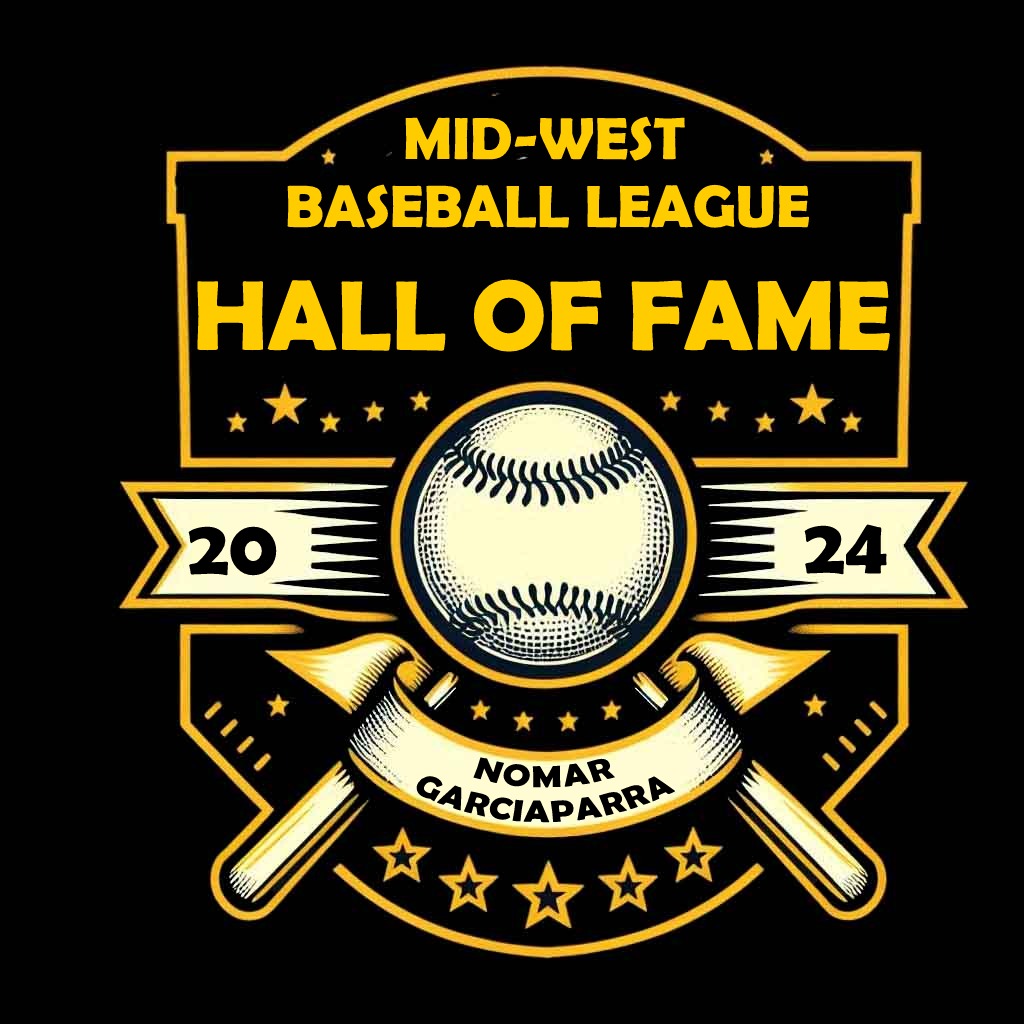
When discussing baseball legends and Hall of Fame candidates, certain names instantly evoke images of greatness and timeless achievement. Nomar Garciaparra’s name often surfaces amid these conversations, treated with a sense of reverence by fans and analysts alike. Yet, as debates persist about his Hall of Fame worthiness, a critical question emerges: Is Nomar Garciaparra’s Hall of Fame case underrated or overlooked? This article traverses the intricate nuances of Garciaparra’s career, highlighting key statistical achievements, contextualizing his impact on the game, and dissecting the perceptions that have shaped his Hall of Fame candidacy.
Statistical Brilliance in a Golden Era
Nomar Garciaparra’s career statistics present a compelling narrative of elite performance, especially through his peak years. From 1997 to 2004, Garciaparra consistently demonstrated impeccable batting skills, showcased by a lifetime batting average of .313 and seven All-Star selections. His offensive arsenal featured a blend of contact hitting, power, and remarkable plate discipline, marking him as one of the premier shortstops of his generation.
Among his standout seasons, the 1999 campaign remains iconic: Garciaparra slashed an astounding .357/.410/.595 line, belting 32 home runs with 98 RBIs. Such numbers not only rival those of Hall of Famers at the shortstop position but also underscore his offensive prowess during an era when shortstops traditionally emphasized defense over power. Additionally, his back-to-back batting titles in 1999 and 2000 further cemented his elite status.
However, statistics alone do not tell the whole story. His production was somewhat curtailed by injuries, limiting longevity and cumulative numbers, which often factor heavily in Hall of Fame deliberations. It is this juxtaposition of peak brilliance against a relatively shorter prime that feeds into the ongoing debate regarding his Hall candidacy.
Defensive Prowess and Positional Excellence
While Garciaparra was renowned for his bat, his defensive contributions at shortstop add depth to his case. Known primarily for athleticism and glove work, Garciaparra possessed quick reflexes and a strong arm, traits imperative for infield excellence. Though not widely regarded as an elite defensive wizard in the vein of a Ozzie Smith or a Cal Ripken Jr., he was nonetheless reliable and impactful on the field.
His defensive metrics, albeit less advanced during his playing days, suggest a competent if not stellar presence. Critics point to his occasional lapses and limited range as drawbacks. Yet, in balancing offense and defense, Garciaparra achieved a commendable synthesis, embodying the evolving expectations for shortstops transitioning into more offensively productive roles during late 1990s and early 2000s baseball.
Perhaps more importantly, his charisma and leadership within the clubhouse elevated his intangible value, qualities often overlooked in traditional statistical assessment but essential to the fabric of championship-caliber teams.
The Impact of Injuries on Legacy and Perception
Injuries shadowed much of Garciaparra’s career, significantly influencing his trajectory and Hall of Fame résumé. After bursting onto the scene with dazzling performances, a series of setbacks, including chronic hip and shoulder issues, truncated his peak years. As a result, the counting statistics — such as total hits, home runs, and games played — fell short of the milestones typically associated with enshrinement.
This factor complicates evaluation. On one hand, injuries limited the accumulation of numbers that hallmark immortality in Cooperstown. On the other, their very presence magnifies the intensity and focus required to produce at an elite level when healthy. His resilience and ability to adapt post-injury, including moving to other positions later in his career, testify to his dedication and versatility.
Analysts and voters often wrestle with these considerations. Should peak performance trump longevity? Or is an indomitable spirit navigating physical adversity equally worthy of recognition? These questions reside at the heart of Garciaparra’s Hall of Fame controversy.
Comparisons to Hall of Fame Peers and Contemporaries
Contextualizing Garciaparra alongside his contemporaries illuminates further dimensions of his Hall of Fame debate. When juxtaposed with shortstops enshrined in Cooperstown, such as Cal Ripken Jr. or Robin Yount, factors like durability and cumulative achievement weigh heavily. However, these players also benefited from longer careers and broader impacts on the game.
Comparisons with other offensively dominant shortstops, like Derek Jeter or Alex Rodriguez (post-position change), evoke a more nuanced discussion. While Jeter’s leadership and postseason success magnify his case, and Rodriguez’s overall prowess sets a different standard, Garciaparra’s pure hitting talent remains unquestioned at its peak.
It is perhaps more appropriate to compare him with contemporaries who faced similar career challenges. Players with shorter primes yet undeniable peak brilliance invite debate about alternative criteria for Hall of Fame induction — emphasizing quality over quantity, influence over accumulation.
Media and Voter Perceptions: A Case of Being Overlooked?
Public perception and media narratives have played a pivotal role in shaping Garciaparra’s Hall reputation. His charismatic persona and flashes of brilliance earned fan admiration, but the ebb and flow of publicity, combined with injuries, may have contributed to a diminished profile during his eligibility window.
Moreover, the crowded field of star shortstops within his era made it challenging to differentiate his candidacy distinctly. Voters often gravitate towards consistent, long-tenured performers, perhaps inadvertently overshadowing those with interrupted yet extraordinary peaks.
Critics argue that this has resulted in an oversight of his undeniable skill — an undervaluing of peak performance in favor of cumulative longevity. Supporters of his candidacy hope that evolving evaluative approaches in baseball analytics may inspire a reassessment that appreciates his contextual excellence and rebuts the narrative of being simply a “good player” rather than a Hall of Fame-caliber talent.
The Role of Advanced Metrics and Analytical Evolution
Contemporary sabermetrics enhance the assessment of players like Nomar Garciaparra by emphasizing context, workload, and impact beyond traditional counting stats. Metrics such as WAR (Wins Above Replacement), OPS+ (On-base Plus Slugging Plus), and defensive runs saved provide a more comprehensive portrait of Garciaparra’s value.
Through these lenses, Garciaparra’s career takes on intriguing complexity. His peak WAR figures rival some inducted players, underscoring how his value transcended conventional measures. However, the relatively short span of accrued WAR leaves questions about whether his cumulative impact meets Hall thresholds.
This evolution in baseball analytics invites broader debate about redefining Hall of Fame standards to include players with shorter but higher peaks — a category into which Garciaparra neatly fits. As the paradigm of baseball evaluation shifts, so, too, may the consensus regarding his ultimate legacy.
The Cultural and Fan Legacy: Enduring Admiration
Beyond statistics and awards, Nomar Garciaparra’s cultural imprint within baseball resonates still. Fans recall his electrifying presence, clutch hitting, and infectious enthusiasm for the game. His signature batting stance and ability to perform under pressure are etched in the memories of those who witnessed his prime.
For many, Garciaparra symbolizes an era of baseball that blended classic skill with the evolving power dynamics of the sport. His connection with fans transcended box scores, reflecting the profound narrative appeal he brought to the diamond. Such intangible legacies contribute to the Hall of Fame conversation in ways that defy quantification but underscore the human element of sports history.
Conclusion: Balancing Peak Brilliance with Career Trajectory
The Nomar Garciaparra Hall of Fame case represents an intricate interplay of dazzling peak performance, unfortunate injury setbacks, and evolving evaluative criteria. While some argue he remains an underrated talent whose accomplishments merit greater recognition, others suggest his career lacks the durability traditionally prized by the Hall.
Ultimately, his story invites a reconsideration of what it means to be Hall of Fame-worthy in the modern game. Should excellence be measured solely by longevity and accumulation? Or does the intensity and quality of peak performance define a player’s place among the greats? Nomar Garciaparra’s legacy challenges baseball’s custodians to grapple with these questions, ensuring his narrative remains vivid within the annals of the sport’s history.