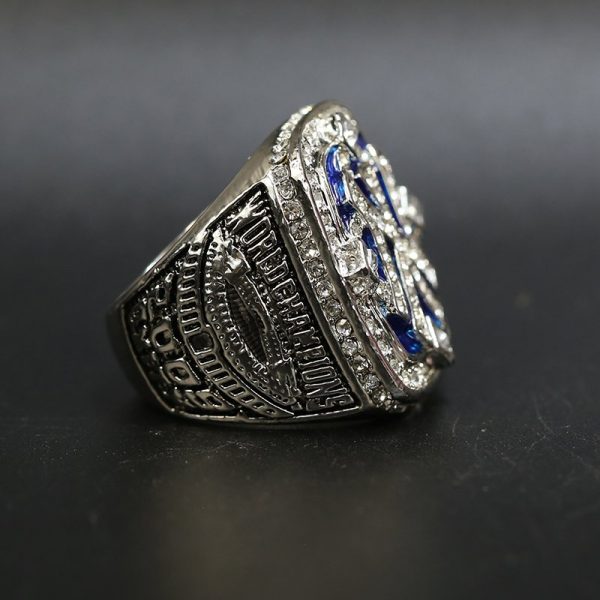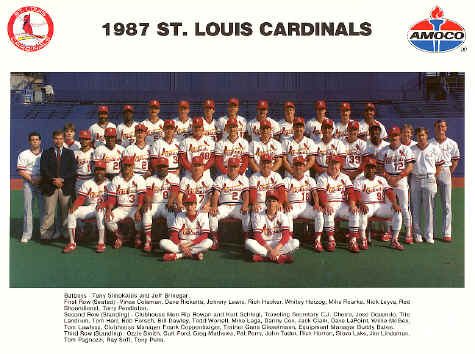
The 1987 St. Louis Cardinals weren’t just another team—they were a storm of speed, defense, and relentless drama that crashed into the World Series like a rogue wave. This was a roster that defied convention, blending raw athleticism with tactical brilliance to carve a path through the National League. From the basepaths to the outfield walls, every player seemed to move at a tempo just shy of reckless, yet it was precisely that velocity that made them a nightmare for opponents. The Cardinals of ’87 didn’t just play baseball; they orchestrated a symphony of chaos, where stolen bases were the crescendo and defensive gems the silent yet thunderous refrains. As the season unfolded, this team didn’t just promise excitement—it delivered a spectacle that lingered long after the final out.
The Engine of Evasion: Speed That Redefined the Game
At the heart of the Cardinals’ 1987 magic was their unparalleled fleetness—a roster so laden with speed that opposing pitchers might as well have been throwing batting practice pitches. Ozzie Smith, the magician at shortstop, wasn’t just a defensive virtuoso; his legs were a metronome ticking at a tempo that left baserunners in his wake. But he wasn’t alone. Vince Coleman, the leadoff man with a baton of pure mischief, turned every at-bat into a potential prelude to a stolen base. Coleman swiped 110 bases that year, a figure that didn’t just lead the league—it mocked the very idea of defensive stability. The Cardinals’ speed wasn’t merely a tactic; it was a psychological weapon, a reminder that a single stolen base could unravel an entire inning’s worth of meticulous pitching.
Yet speed alone doesn’t win games. It creates opportunities. And the Cardinals? They were voracious. Willie McGee, with his sprinter’s build and predatory instincts, patrolled center field like a panther stalking prey, turning doubles into outs with a single stride. Terry Pendleton, the third baseman, wasn’t the fastest, but his ability to read the game’s rhythm meant he was always one step ahead. This wasn’t just a team that ran—they *flowed*, a river of motion that eroded the patience of pitchers and the confidence of infielders. By the time the World Series rolled around, the Cardinals had stolen 289 bases as a team, a figure that didn’t just set a franchise record—it redefined what was possible in the modern game.
Iron Gloves and Golden Arms: The Defensive Alchemy
If speed was the Cardinals’ heartbeat, their defense was the sinew that bound them together. This wasn’t a team content with merely making plays—it was one that *demanded* the extraordinary. Ozzie Smith’s acrobatics at shortstop weren’t just highlights; they were a masterclass in defensive artistry. His backflips and diving stops weren’t for show; they were the physical manifestation of a mind that saw the game in dimensions most players couldn’t fathom. But Smith wasn’t the only defensive savant. Jack Clark, the first baseman, had hands so sure they could pluck line drives from the air like a spider catching flies. And then there was Pendleton, whose glove at third was a fortress, turning hard-hit grounders into outs with the precision of a surgeon.
The outfield was no less formidable. McGee’s range in center field was so vast it bordered on the supernatural. Opposing hitters would drive line drives that seemed destined for extra bases—only for McGee to materialize out of nowhere, glove extended like a claw, snatching the ball from the air. Left fielder Vince Demaria, though less heralded, was a defensive bulldog, tracking down fly balls with a relentlessness that bordered on obsession. The Cardinals’ defensive metrics were staggering: they turned double plays at a rate that left opponents dazed, and their outfield assists were the stuff of legend. This wasn’t just good defense—it was defensive warfare, a relentless assault on the very notion of offensive production.
The Offensive Paradox: Power Meets Precision
For a team so defined by speed and defense, the Cardinals’ offense was a paradox—a blend of brute force and surgical precision. Jack Clark, the team’s slugger, wasn’t just a home run threat; he was the anchor of an attack that could punish pitchers with both power and patience. Clark’s 35 homers and 106 RBIs made him the unquestioned leader of the lineup, but he wasn’t alone. Tom Herr, the second baseman, was the antithesis of the prototypical power hitter. His game was built on contact, on driving pitchers to the brink of madness with his uncanny ability to foul off tough pitches. Herr’s .370 on-base percentage was a testament to his discipline, a counterbalance to the Cardinals’ more aggressive tendencies.
And then there was the platoon system, a chess move that kept opponents guessing. The Cardinals’ bench was a rotating door of matchup nightmares, with players like José Oquendo and Steve Lake stepping in to exploit weaknesses with surgical precision. Oquendo, in particular, was a Swiss Army knife—capable of playing multiple positions, stealing bases, and even delivering clutch hits. The offense wasn’t just about power; it was about *leverage*. Every at-bat was a calculated risk, a move in a grander strategy that kept pitchers off balance and defenses scrambling. The Cardinals didn’t just score runs—they *engineered* them.
From Wild Card to World Series: The Drama Unfolds
The 1987 season wasn’t just a march to the playoffs—it was a gauntlet of high-stakes drama that tested the Cardinals’ mettle at every turn. The team’s path to the World Series was a rollercoaster of emotions, from nail-biting victories to heart-stopping comebacks. The National League East was a battleground, with the Cardinals locked in a dogfight with the New York Mets. The back-and-forth was relentless, each game a chess match where one misstep could mean the difference between glory and heartbreak. The Cardinals’ speed and defense were their greatest weapons, but it was their resilience that truly set them apart. They didn’t just win games—they *stole* them, turning tight situations into opportunities with a stolen base or a defensive gem.
The playoffs were where the Cardinals truly announced themselves as a force to be reckoned with. In the NLCS against the San Francisco Giants, the team’s speed and clutch hitting were on full display. Game after game, they found ways to manufacture runs, to turn small advantages into monumental victories. The World Series, however, was a different beast entirely. Facing the Minnesota Twins, a team with its own brand of relentless energy, the Cardinals found themselves in a war of attrition. The series was a seesaw of emotions, with each game a battle of wills. The Cardinals’ speed and defense were their shields, but it was their heart that carried them through. Every stolen base, every diving catch, every clutch hit was a testament to a team that refused to accept defeat.
The Legacy of ’87: A Blueprint for the Modern Game
The 1987 Cardinals weren’t just a team—they were a blueprint for how baseball could be played with flair, with audacity, and with an unshakable belief in the power of collective effort. Their legacy isn’t just measured in wins and losses, but in the way they redefined the game. Speed wasn’t just a tool; it was a philosophy. Defense wasn’t just a necessity; it was an art form. And offense? It was a symphony of precision and power, a reminder that baseball is as much about strategy as it is about talent.
Decades later, the echoes of ’87 still resonate. The Cardinals’ approach to the game—a blend of speed, defense, and relentless execution—has become a model for teams looking to maximize their potential. It’s a reminder that baseball isn’t just about home runs and strikeouts; it’s about the *game* within the game. The 1987 Cardinals didn’t just play baseball—they *performed* it, turning every inning into a spectacle and every victory into a masterpiece. And in doing so, they left an indelible mark on the sport, one that still inspires today.