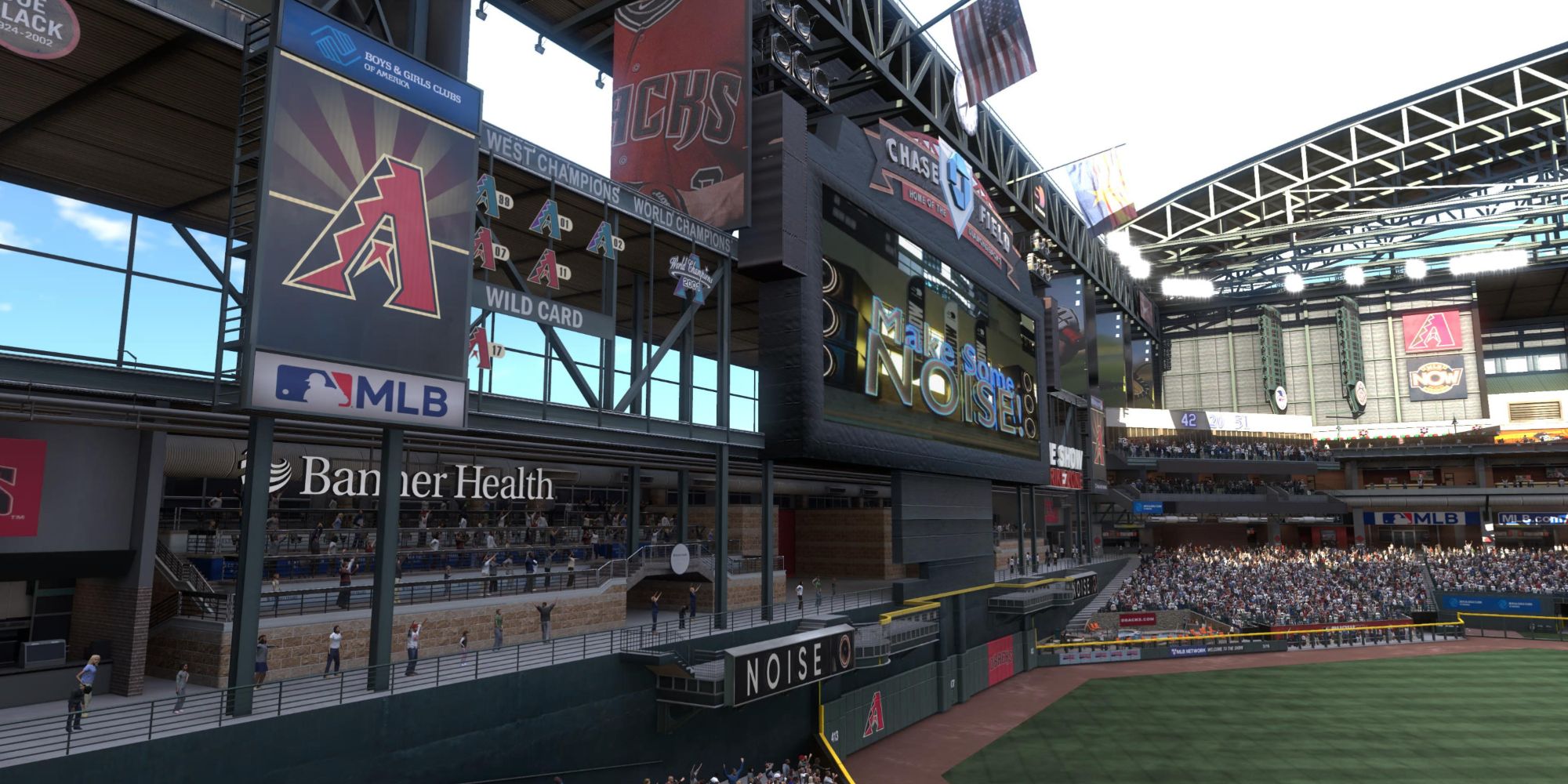
Stepping into the batter’s box for the first time in MLB The Show can feel like facing a 98-mph fastball with your eyes closed—overwhelming, disorienting, and just a little terrifying. The game’s depth is legendary, its mechanics intricate, and the learning curve steep enough to make even seasoned gamers question their life choices. But what if I told you that mastering the basics isn’t about brute-forcing your way through endless tutorials or grinding until your thumbs scream for mercy? What if there was a smarter, more intuitive path to gaining control—one that transforms frustration into fluidity and confusion into confidence?
The Art of the Approach: Why Your First At-Bat Sets the Tone
Every legendary hitter in baseball history started with a single swing, and every MLB The Show player begins with a single at-bat. The difference between a flailing rookie and a composed veteran often boils down to one thing: approach. Before you even think about timing or power, you need to understand the rhythm of the pitcher. Is he a fastball specialist? Does he rely on off-speed pitches to keep you guessing? The key lies in observation—not just watching the ball, but studying the pitcher’s tendencies. Start with the “Pitch Recognition” drill in the Practice Mode. Focus on tracking the ball from the pitcher’s release point to the catcher’s mitt. Notice how the seam orientation changes with each pitch type. This isn’t just about seeing the ball; it’s about decoding its language. The more you train your eyes to anticipate, the less you’ll rely on pure reflex.
Timing is Everything: The Illusion of the Perfect Swing
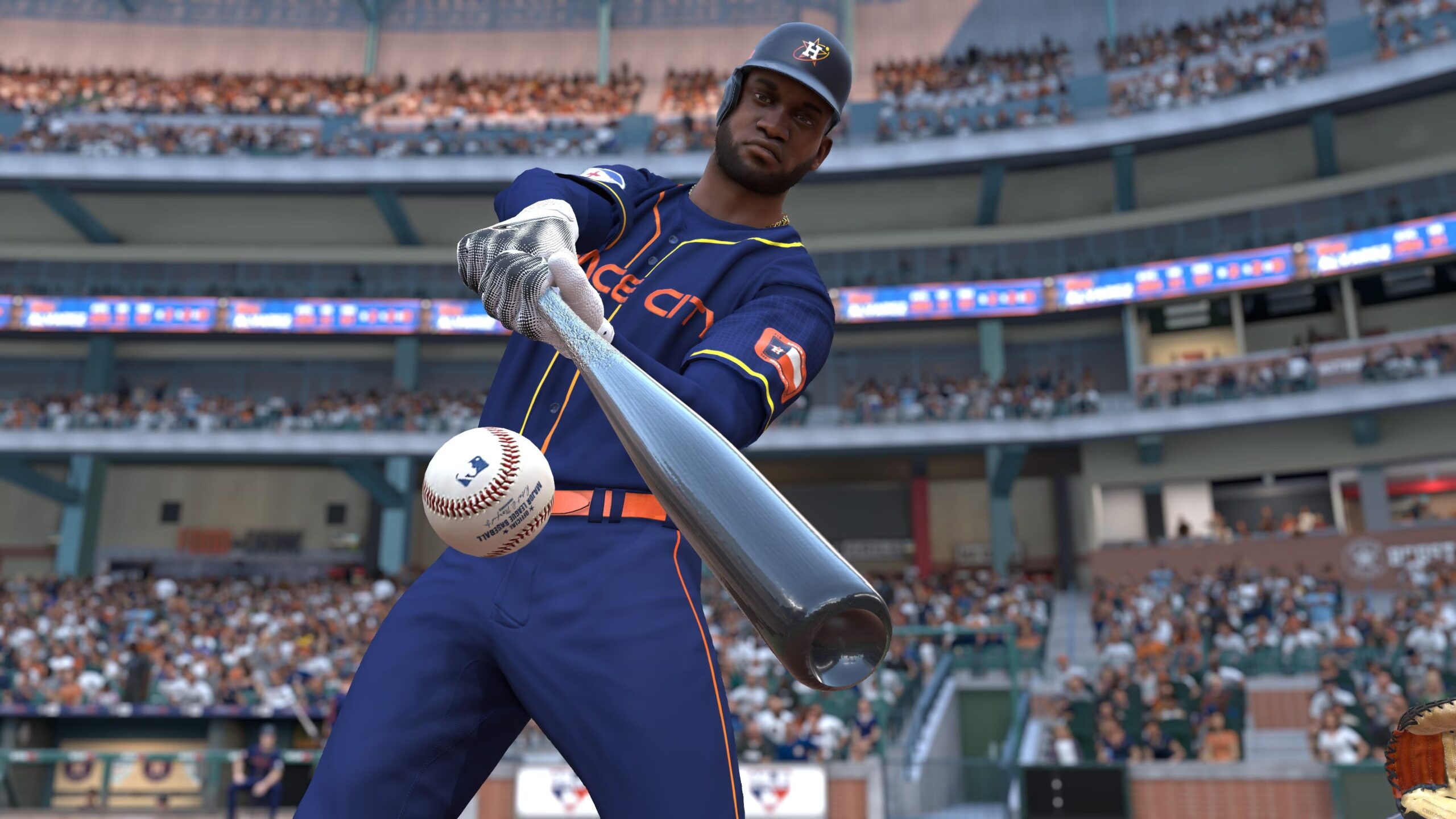
Timing in MLB The Show isn’t just about pressing a button at the right moment—it’s about synchronizing your body’s motion with the ball’s trajectory. The game’s animation system is a marvel of precision, but it’s also ruthlessly unforgiving. A swing that’s a fraction of a second early or late can turn a line drive into a weak grounder. The secret? “Load and Stride”. As the pitcher winds up, your batter should be in a coiled position, weight slightly shifted back. As the ball is released, initiate a small step forward (the stride) while keeping your hands back. This isn’t just a mechanical trick; it’s the difference between a swing that’s reactive and one that’s proactive. Pro players often describe it as “letting the ball travel” rather than chasing it. The longer you can wait, the more information you’ll have—and the better your chances of making contact.
Plate Discipline: The Silent Killer of Rookie Seasons
Swinging at everything in sight is a surefire way to watch your batting average plummet faster than a pop-up in a stiff breeze. Plate discipline isn’t just a stat—it’s a mindset. The best hitters in the game don’t just swing at good pitches; they let bad ones go. In MLB The Show, this translates to mastering the “Pitch Selection” mechanic. Pay attention to the strike zone’s boundaries. A pitch low and outside? Let it go. A high fastball in the zone? That’s your wheelhouse. The game rewards patience, and the AI pitchers will exploit your aggression. Start by setting a personal rule: only swing at pitches you can drive. Over time, your discipline will force pitchers to challenge you, giving you better opportunities to capitalize.
But discipline isn’t just about what you swing at—it’s also about how you handle failure. Every strikeout, every weak grounder, is data. Use it. Adjust. The best players in the game treat each at-bat like a conversation with the pitcher, learning from every exchange. If you’re striking out on high fastballs, try adjusting your stance slightly lower in the zone. If you’re fouling off too many curveballs, shorten your swing path. The game is a dialogue, and the more you listen, the more you’ll dominate.
The Mental Game: How to Stay Calm Under Pressure
Baseball is as much a mental sport as it is physical, and MLB The Show is no different. The pressure of a bases-loaded situation or a full count can turn even the most seasoned player’s hands to jelly. The solution? “Routine Over Chaos”. Develop a pre-swing ritual—whether it’s a deep breath, a quick adjustment of your batting gloves, or a mental mantra. This isn’t superstition; it’s a way to anchor your focus. When the game feels like it’s moving in fast-forward, your routine becomes the pause button that resets your mind.
Another psychological edge is visualization. Before you even step into the batter’s box, imagine the perfect swing. Picture the crack of the bat, the ball soaring into the gap. This isn’t just motivational fluff—it’s a way to program your muscle memory. Studies on athletic performance consistently show that visualization primes the brain for success. In MLB The Show, where split-second decisions dictate outcomes, this mental rehearsal can be the difference between a game-winning hit and a heartbreaking strikeout.
Practice with Purpose: Drills That Actually Work
Not all practice is created equal. Mindlessly swinging in the batting cages won’t cut it. You need “Targeted Repetition”. The game’s Practice Mode offers a treasure trove of drills, but the most effective ones are those that mimic real-game scenarios. Try the “Situational Hitting” drill, where you’re given a specific count and base situation. This forces you to think beyond just making contact—it teaches you to drive the run home, to protect the plate, or to manufacture a hit. Another invaluable tool is the “Pitching Machine” setting, where you can customize pitch types, speeds, and locations. Start with a 70-mph fastball, then gradually increase the difficulty. The goal isn’t to hit every pitch; it’s to refine your mechanics and build consistency.
Don’t overlook the “Fielding Practice” either. A great hitter is also a great teammate. Spend time in the infield or outfield, getting comfortable with the controls. The more intuitive fielding becomes, the more confident you’ll feel when the game is on the line. Baseball is a team sport, and in MLB The Show, every out matters—whether you’re at the plate or in the dirt.
Gear Up: The Tools of the Trade
Your controller is your weapon, and in MLB The Show, the right setup can elevate your game from amateur to All-Star. If you’re playing on a console, consider investing in a “Performance Controller” with paddles or extra buttons. These devices allow for more precise inputs, reducing the lag between your decision and the game’s response. On PC, a high-DPI mouse can make a world of difference in fielding and baserunning.
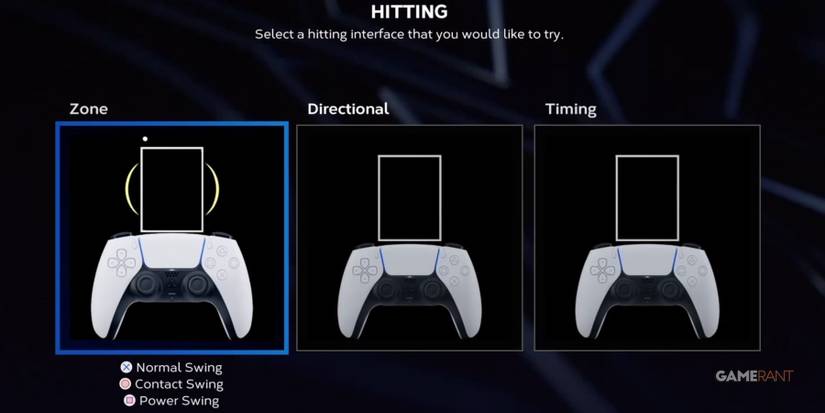
But hardware isn’t the only gear that matters. Your “Hitting Approach Settings” in the game’s options menu can drastically alter your experience. Experiment with different camera angles—some players swear by the “Broadcast” view for its clarity, while others prefer the “Player Lock” for a more immersive feel. Adjust the “Pitch Speed” and “Reaction Time” sliders to match your comfort level. The game is designed to be accessible, but fine-tuning these settings can help you find your rhythm faster.
The Long Game: Patience and Progression
Mastering MLB The Show isn’t a sprint—it’s a marathon. The players who stick around for the long haul aren’t the ones who hit .350 in their first season; they’re the ones who learn from every loss, every strikeout, and every bloop single. The game rewards persistence. Start with the basics: contact, discipline, and situational awareness. As you improve, layer in power hitting, bunting, and advanced baserunning techniques. The beauty of MLB The Show is that it grows with you. What feels impossible today will become second nature tomorrow.
And remember, every legend started somewhere. The first time you step into the batter’s box in a real MLB game, you won’t be perfect. You’ll foul off a few, swing and miss a few more. But with each at-bat, you’ll get closer to that moment where everything clicks—the pitch, the swing, the crack of the bat, and the roar of the crowd. That’s the promise of MLB The Show: not just a game, but a journey from uncertainty to mastery.