Okay, here is the article formatted as requested.
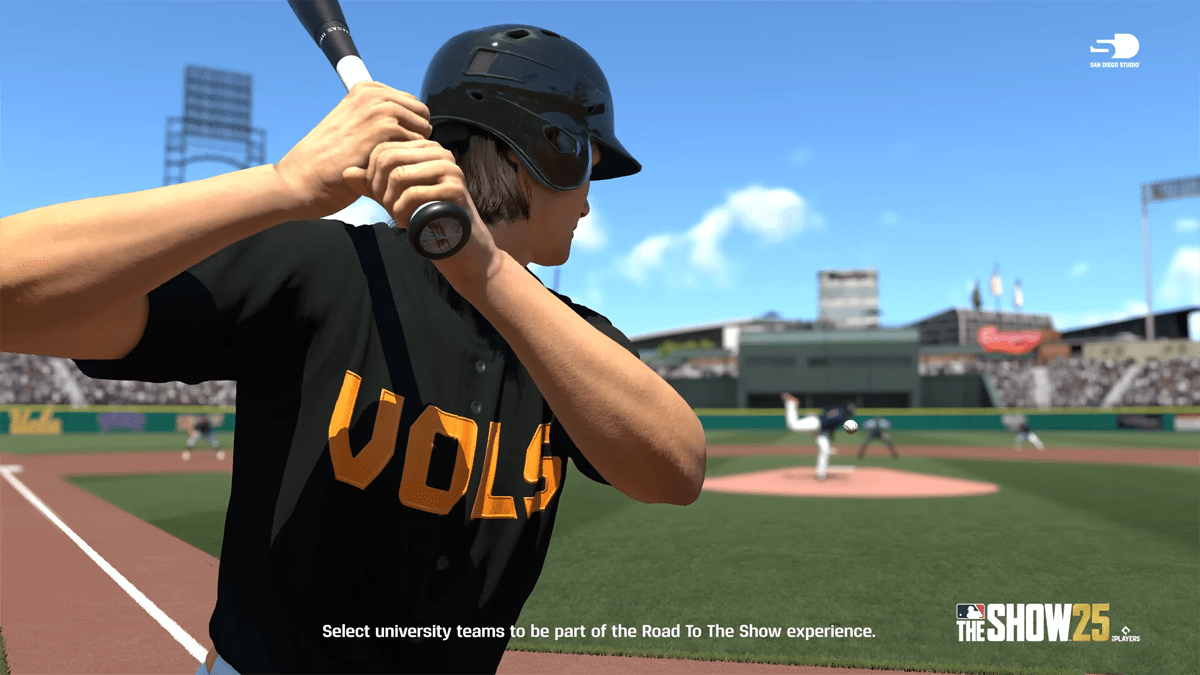
Imagine the bullpen is buzzing, the negotiation table is frantic, and on the virtual diamond, a blockbuster trade shape-shifts from mere pixels into winning reality. It’s one of the most satisfying yet notoriously tricky operations in video baseball management. So, the question isn’t just *if* you can get traded in MLB The Show 25, but understanding its intricate mechanics. Does the system simply demand five better players for one stellar superstar? Or does a hidden dimension unfold, making every transaction feel like a complex chess match? We’ll unravel these layers, diving deep into how the trading landscape operates, revealing the subtle levers and hidden cubes that dictate your club’s future. Understanding the art of the deal isn’t just a gameplay option; it’s fundamental to building a dynasty or navigating a rebuilding phase.
The Trade’s Double-Edged Sword: Why It Matters in Show
In Baseball, acquiring the right talent is paramount. Whether you’re eyeing a power hitter to revitalize your offense or snapping up a young prospect to fuel your farm system, a well-structured trade can be the catalyst for sustained success. Conversely, a poorly conceived swap could unravel months of careful planning. In MLB The Show 25, trading isn’t just a procedural detail; it’s integral to the narrative. The ability to acquire players who fit your specific in-game need – perhaps reinforcing a weak position or boosting a crucial on-base percentage – adds strategic depth beyond free agency and drafting. Furthermore, managing the roster via trade offers a unique challenge: navigating the delicate balance between acquiring immediate impact and investing in future potential. This isn’t merely acquiring assets; it’s demonstrating masterful negotiation within the constraints of the game’s economic system, proving your GM acumen isn’t just theoretical. Mastering these transactions can elevate your team from contender to perennial champion.
Finding Common Ground: Initiating a Team-to-Team Exchange
Your Manager menu is your command center. Selecting “Trade” opens this complex battlefield. Here, you aren’t just matching a player; you’re forming a constellation of players bound by virtual contracts and future potential. You might select a player to send to another club, and the system proposes potential recipients, highlighting the assets you’d surrender. Remember you are essentially creating a package deal – your “to” list represents the talent you possess, the currency you’ll expend for external reinforcements. Be discerning with each pick, considering their current value, peak potential, and contract length. You could receive a direct offer from another Manager, outlining who they propose sending and who would arrive at your club. In this scenario, carefully evaluate if the incoming package aligns your objectives perfectly. The initial stages are about framing the deal, clearly defining the *what*. Now comes the intricate dance of negotiation, where understanding the *why* of each request becomes your primary tool.
The Cube Conundrum: Understanding Player Value and Impact
This is where MLB The Show 25 truly distinguishes itself from simpler trade mechanics. Don’t expect numerical charts; instead, the system operates on abstract “trade value cubes,” often linked to specific player ratings like Power, Defense, Speed, Batting Average, etc., which are considered for both sides. Each player contributes points to an aggregate value. Let’s say you propose sending Player A. The receiving team must offer players whose combined value meets or exceeds that threshold. This invisible but measurable system ensures most trades won’t result in a club losing assets outright – it maintains a general balance, albeit one that is game-world influenced. However, this balance isn’t rigid. Positional scarcity matters immensely. If a team desperately needs a starting pitcher at your expense, they might acquire a package significantly exceeding your proposed value, driven by their specific need. Furthermore, qualitative assessments play a huge role. Does that raw talent have the potential? Is that veteran experience worth the risk? The negotiation isn’t just about matching cubes; it’s a blend of quantitative checks and qualitative haggling, mirroring the real-world complexities of sports agency negotiations.
It Depends on the Day: Real-World Events and In-Season Opportunities
MLB The Show 25 isn’t set in a static universe. The in-game calendar features real-world events that ripple through the league. A team may be weakened by injuries, lowering their asset threshold for potential deals. You might exploit this instability, perhaps in a pre-season scramble, accepting an offer you wouldn’t have considered during peak market. While in-season operations usually require more assets and face greater scrutiny due to the ongoing season, they aren’t impossible. Sometimes, acquiring veteran depth or bullpen-specific help mid-season can offer the quickest ROI. Keep an eye on your trade partner gauge; a team in genuine distress might be more flexible than one flush with resources. Always check that the final package aligns with your immediate needs and long-term blueprints before hitting that final agreement button. The ebb and flow of the external game world provides dynamic opportunities for clever acquisition.
Beyond the Player: Contractual Nuances and Financial Footing
A trade isn’t just about acquiring bodies; it’s acquiring *signed* bodies bound to your club. Player contracts entered into during a trade are typically guaranteed or partially guaranteed, reflecting the agreed-upon value. Unforeseen circumstances, like a pitcher acquiring a Cy Young Award while still under guaranteed pay, become part of the deal you negotiated. Conversely, you must consider the salary cap implications. A trade involving high-priced free agents who have recently become available can quickly deplete your finite resources, potentially jeopardizing your other transactions or future draft picks. Less tangible, yet vital, is the concept of “player synergy.” An off-field incident involving one player in a multi-player trade could overshadow the talents of others involved, creating unforeseen complications. These contractual and external dynamics ensure that every trade request requires careful consideration of financial stability and the holistic well-being of your entire organization.
The Final Countdown: Agreeing to the Proposed Exchange
Once you’ve navigated the complexities of value, needs, contracts, and external factors, the last step is sealing the deal. After building your trade proposal list on your side, you initiate it, specifying exactly which players you are contributing and requesting, down to the minute details. If all parties agree, the transaction becomes official before the deadline. It’s rewarding to see your meticulously crafted package arrive on your roster screen, ready to compete for the pennant. The negotiation phase is the most interactive. Balancing player value, positional needs, contract economics, and even the perceived narrative of the deal requires finesse. Whether you’re orchestrating a blockbuster blockbuster or a savvy smaller-market maneuver, the process culminates in that moment where pixels solidify into the building blocks of your winning legacy.