The crack of the bat, the roar of the crowd, the quintessential ballpark beer—a timeless trifecta of the American pastime. For generations, fans have quenched their thirst with a cool brew while cheering on their favorite team. But what if the familiar refreshment you’re enjoying isn’t quite what you think it is? A deeper examination of ballpark beer reveals a landscape of nuance, subtly altered recipes, and perhaps, a degree of bewilderment for the casual consumer. Prepare to recalibrate your understanding of that beloved amber liquid.
The Historic Context: Ballpark Beer’s Evolution
The history of alcohol consumption at sporting events is long and tangled. Early ballparks often featured open bars freely serving stronger beverages. As societal attitudes evolved and regulations tightened, these practices were gradually curtailed. Ballpark brewing entered a phase of standardization, with local breweries supplying consistent offerings. However, the allure of affordability and mass appeal prompted a subtle, yet significant, shift. Understanding this trajectory is vital to appreciate the peculiarities present today.
The “Ballpark Pint”: A Misnomer in Disguise
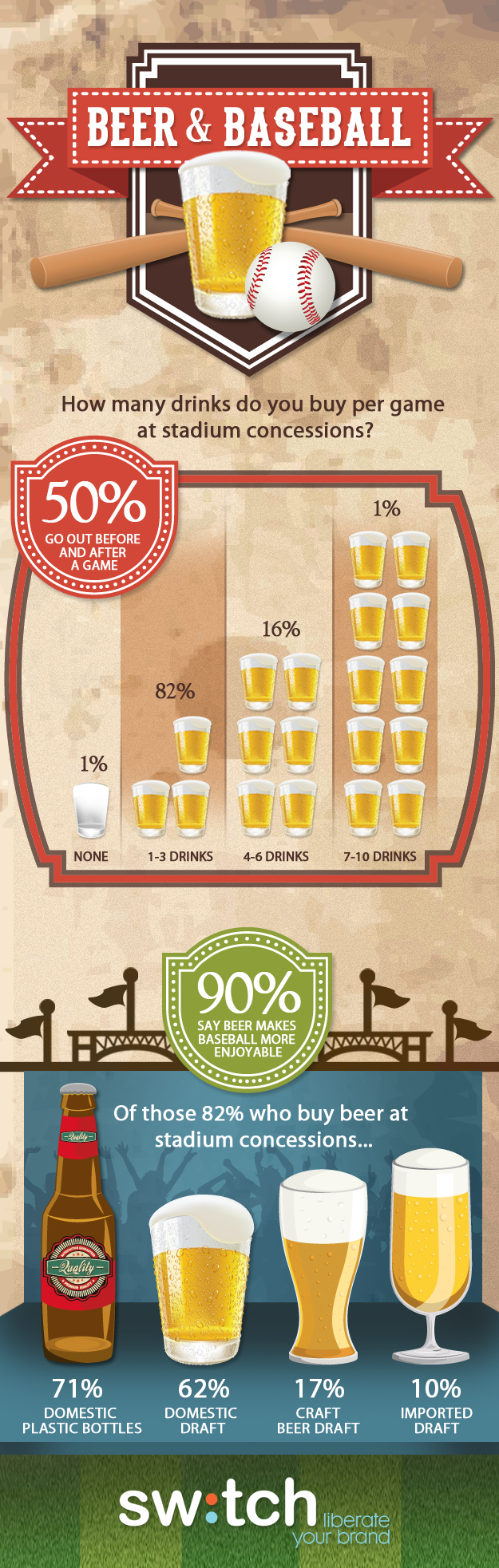
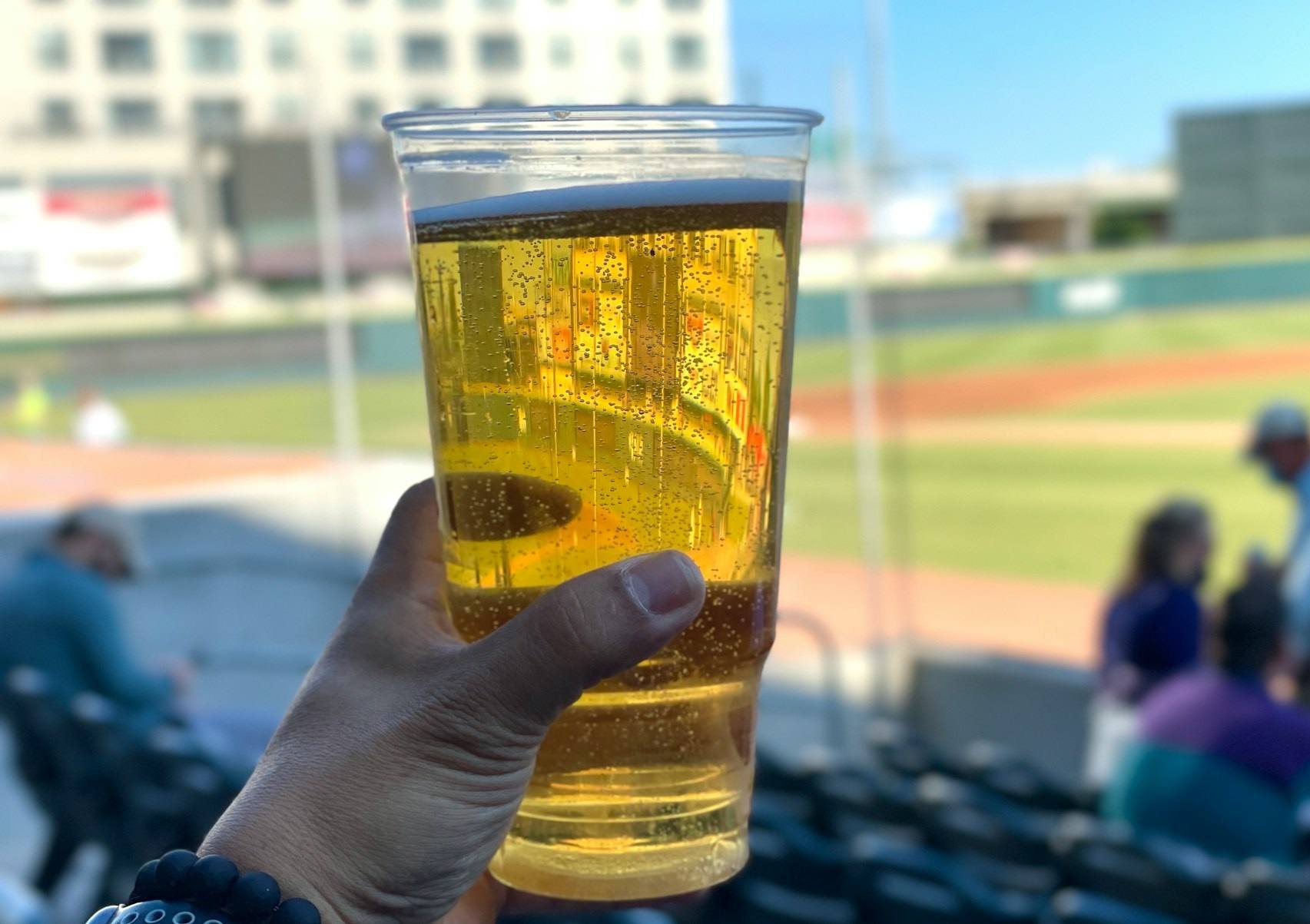
The term “ballpark pint” often evokes the image of a full pint of refreshing beer. The reality, however, frequently falls short of that expectation. Many stadiums now serve beer in vessels that *appear* to be pints but contain significantly less liquid than the standard 16 ounces. This practice, known within the industry as “illusion pinting,” is a contentious topic among beer aficionados and casual drinkers alike. The visual deception can be quite surprising, particularly for newcomers to the stadium experience. It is not uncommon to find “pints” that measure closer to 12, 14, or even 11 ounces, contributing to a perceived value that doesn’t quite align with volume.
Alcohol By Volume (ABV): The Crucial Calculation
Alcohol By Volume, or ABV, represents the percentage of alcohol in a beverage. It’s the figure that determines the intoxicating potency of beer. While a standard craft brew might boast an ABV of 5% to 7%, ballpark beers often exhibit a lower concentration, typically ranging from 3.5% to 4.5%. This deliberate reduction in ABV is often a strategic decision by breweries to cater to a broader audience and mitigate potential liability issues. Fans may be consuming more beers than they initially perceive, leading to unanticipated pleasant or unpleasant effects.
The Role of Adjuncts: Diluting the Flavor & ABV
To achieve the desired lower ABV and maintain affordable pricing, many ballpark beers incorporate adjuncts—ingredients added beyond the traditional malt, hops, water, and yeast. These adjuncts, often corn or rice, dilute the overall beer composition, reducing the alcohol content and lightening the flavor profile. While not inherently detrimental, this dilution can diminish the complexity and character typically associated with higher-quality beers. The use of adjuncts is a pragmatic response to the challenging economic constraints of large-scale ballpark sales. Nonetheless, it is a deviation from the pure and unadulterated taste of traditional brews.
The Impact of Carbonation: A Masking Effect
Carbonation plays a significant, often overlooked, role in how our bodies perceive alcohol. Highly carbonated beverages, like many ballpark beers, are absorbed into the bloodstream more quickly than flat beers. This accelerated absorption can amplify the effects of alcohol, making a fan feel inebriated faster than anticipated. The effervescence not only enhances the drinking experience but also contributes to a misleading sensation regarding the actual alcohol content. A seemingly modest beer can therefore pack a surprising punch.
Regional Variations: A Tapestry of Brewery Choices
Despite the prevalence of some common trends, the variety of beer available at MLB stadiums varies considerably by region. Some ballparks showcase local craft breweries, offering a more diverse selection of styles and higher-ABV options. Others maintain longstanding relationships with major breweries, adhering to more standardized offerings. This regional diversity underscores the complex interplay of local preferences, contractual agreements, and regulatory climates.
The Legal Landscape: State and Local Regulations
Alcohol sales at sporting events are governed by a complex web of state and local laws. These regulations dictate permissible serving sizes, hours of sale, and minimum age requirements. The strictures imposed by these legislative frameworks influence the composition and availability of beer within stadiums and contribute to the overall cost. A thorough understanding of these legal boundaries illuminates the operational constraints faced by breweries and ballpark management.
Consumer Perception vs. Reality: Bridging the Gap
The disconnect between consumer expectation and the actual characteristics of ballpark beer can lead to confusion and, occasionally, overconsumption. Educating fans about the potential for “illusion pints,” lower ABV levels, and the effects of carbonation is paramount to fostering responsible enjoyment. Greater transparency from stadiums and breweries regarding serving sizes and alcohol content would considerably enhance the consumer experience.
The Future of Ballpark Beer: Crafting a New Narrative
The future of ballpark beer may witness a renewed emphasis on craft brewing and a greater consumer demand for higher-quality, more flavorful options. Some teams are already experimenting with partnerships with local microbreweries to offer a more curated selection of beers. As craft beer continues to gain popularity, pressure may mount on stadiums to move away from diluted, mass-produced options and embrace a more authentic and palatable experience. Ultimately, the narrative of ballpark beer is in a state of flux, poised for a dynamic evolution.
Responsible Consumption: A Call to Awareness
Enjoying a beer at a ballgame should be a pleasurable experience, but it’s crucial to consume responsibly. Understanding the nuances of ballpark beer—smaller serving sizes, lower ABV, and rapid absorption due to carbonation—is key to avoiding unintended consequences. Prioritize hydration, eat substantial meals, and be mindful of individual tolerance levels. Responsible indulgence allows everyone to savor the sporting event and the refreshing beverage appropriately.