What if your little slugger could step onto the diamond where legends once stood, where the crack of a bat echoes through the annals of youth baseball history? The 2025 NorCal State 9u Cal Ripken Tournament isn’t just another weekend of games—it’s a rite of passage, a crucible where raw talent is forged into something greater. But before the first pitch is thrown, there’s a labyrinth of logistics, rivalries, and razor-sharp competition waiting to test even the most seasoned young athletes. Whether you’re a coach, a parent, or a player with dreams of glory, here’s everything you need to navigate this high-stakes spectacle with confidence.
The Tournament’s Backbone: Why the 9u Division Stands Apart
The 9u division in the Cal Ripken circuit is where the seeds of future stardom are planted. At this age, players are no longer toddling after t-ball; they’re refining mechanics, developing pitch recognition, and learning the unspoken language of the game—like when to swing at a borderline curveball or how to read a runner’s intent on the basepaths. The NorCal State Tournament amplifies this developmental crucible by pitting the region’s finest against one another in a gauntlet of skill, strategy, and sheer grit.
What makes this division unique isn’t just the age bracket—it’s the philosophy. Cal Ripken baseball emphasizes sportsmanship, teamwork, and the joy of play over cutthroat competition. Yet, don’t mistake this for a lack of intensity. The 9u bracket is where future high school stars cut their teeth, where a single misplayed grounder can swing a game, and where coaches must strike a delicate balance between nurturing talent and instilling competitive fire.
Bracketology 101: Decoding the Tournament Structure
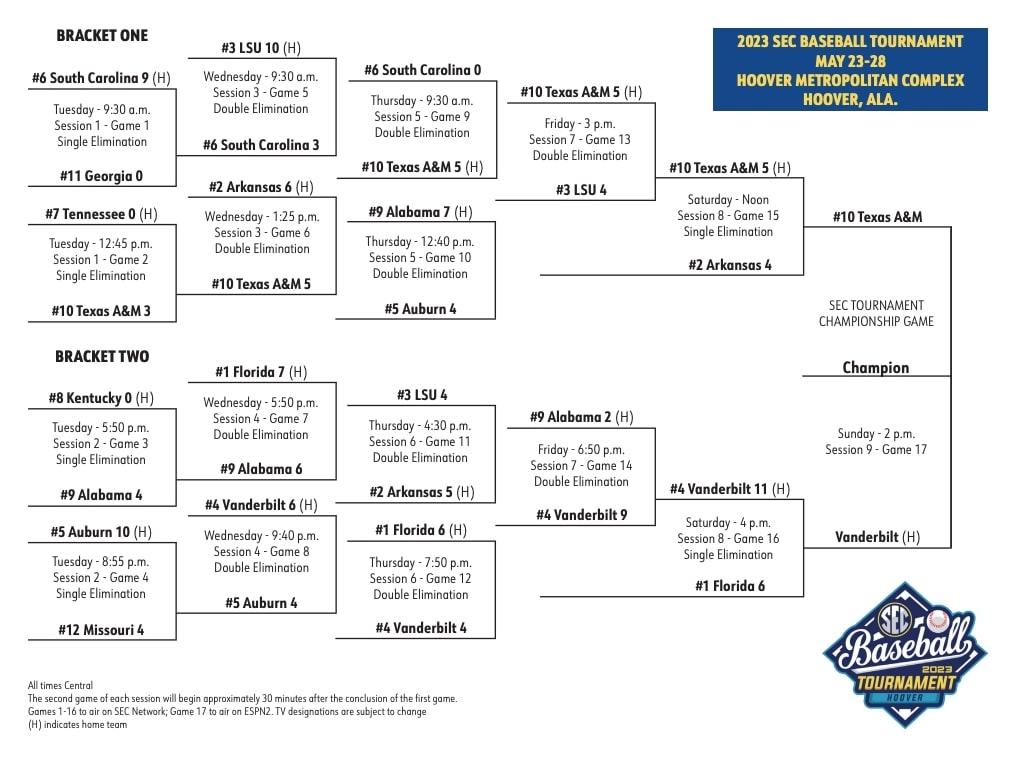
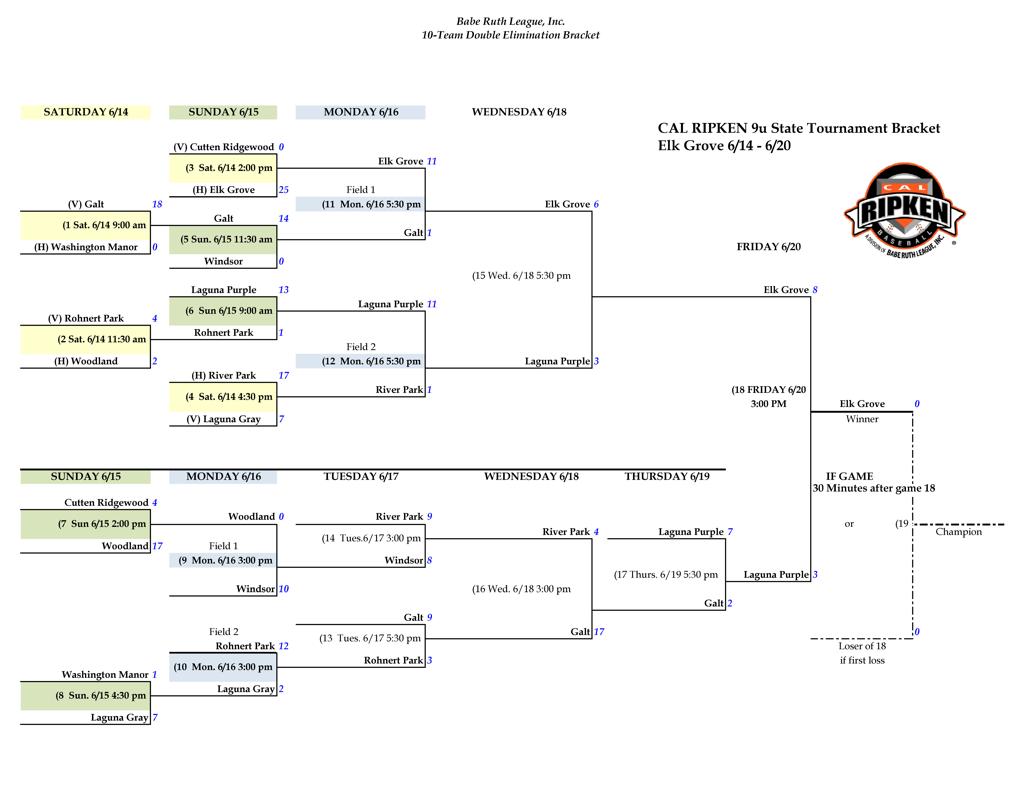
The tournament bracket is more than a roadmap—it’s a psychological chessboard. With multiple pools and single-elimination rounds, the path to the championship is a gauntlet of variables: rest days, weather delays, and the dreaded “pool of death” where top-seeded teams collide early. Will your squad survive the round-robin grind, or will a single loss send them to the losers’ bracket, where redemption becomes a daily grind?
For parents and coaches, the bracket is a puzzle to solve. Do you prioritize seeding in early rounds to avoid burnout, or do you push for the toughest matchups to test your team’s mettle? The answer lies in your roster’s depth. A deep bench can afford to take risks, while a smaller squad must conserve energy like a marathon runner in the final stretch. And let’s not forget the wildcard: the mercy rule. In some divisions, blowouts are cut short, but in 9u, every inning counts—even the ones where the scoreboard reads 15-0.
The Unseen Battleground: Parent and Coach Dynamics
Behind every successful 9u team is a support system teetering on the edge of sanity. Parents, armed with clipboards and protein-packed snacks, become de facto assistant coaches, while head coaches juggle lineups, pitch counts, and the delicate art of keeping egos in check. The challenge? Avoiding the trap of over-coaching. At 9u, the best lessons are often learned through play, not instruction. A well-timed “good effort!” from the dugout can be more valuable than a 20-minute breakdown of the double-play pivot.
Then there’s the pressure cooker of expectations. Some parents see the tournament as a scouting ground for high school tryouts; others treat it like a family reunion where the real prize is the post-game ice cream. The key is alignment. A team’s culture is shaped by the adults in the room, and a misaligned message—whether it’s “win at all costs” or “just have fun”—can fracture morale faster than a wild pitch to the face.
Weathering the Storm: Logistics and Contingencies
No tournament survives without a battle plan for the elements. NorCal’s unpredictable spring weather can turn a pristine field into a mud pit overnight. Will your team’s cleats grip the turf, or will they skid like penguins on ice? The answer lies in preparation. Some coaches swear by turf shoes for early rounds, while others pack extra socks and hand warmers like medieval knights preparing for a siege.
Then there’s the logistical labyrinth: hotel bookings, meal schedules, and the eternal question of whether to splurge on a team dinner or stick to PB&J in the dugout. The smartest teams treat this like a military operation—assigning roles (equipment manager, hydration coordinator) to avoid chaos. And let’s not forget the silent killer: fatigue. A 7 a.m. game followed by a 3 p.m. rematch demands stamina, both physical and mental. Sleep is the unsung hero of tournament success.
The X-Factor: Talent, Luck, and the Art of the Comeback
Every tournament has its Cinderella story—a team that sneaks into the championship game on the back of a walk-off single or a pitcher who throws a no-hitter against all odds. But luck is a fickle ally. The real differentiator is adaptability. Can your squad adjust to a new umpire’s strike zone? Can your shortstop recover from a botched play in the first inning to make the game-saving grab in the ninth?
This is where the intangibles shine. A player who can shake off a strikeout. A coach who rotates the lineup to keep spirits high. A parent who remembers to cheer for the benchwarmer as loudly as the star. These moments define a tournament experience far more than the final score. After all, the kids won’t remember who won—they’ll remember how it felt to step onto that field, under those bright lights, with everything on the line.
Beyond the Diamond: Life Lessons in a Weekend
The 2025 NorCal State 9u Cal Ripken Tournament isn’t just about baseball. It’s a microcosm of life’s bigger challenges: resilience in the face of adversity, the humility of defeat, and the grace of victory. For many players, this is their first taste of high-stakes competition. For parents, it’s a masterclass in letting go. For coaches, it’s a reminder that the game is bigger than wins and losses.
So as the brackets are finalized and the sun sets on another day of play, ask yourself: What will your legacy be? Will you be the team that dominated from start to finish, or the one that clawed its way back from the brink? One thing’s certain—the memories forged in those few days will echo far beyond the tournament’s final out.