Imagine the crack of a bat splitting the summer air, the hush of a packed stadium as a pitcher winds up, and then—sudden, electric motion. The ball streaks toward the plate like a comet defying gravity. That velocity, that raw power, is the culmination of years of growth, discipline, and precision. But how does pitching speed evolve from the first tentative throws of a Little Leaguer to the blazing fastballs of a Major League ace? The journey is not just one of physical maturation, but of strategic refinement, biomechanical mastery, and unrelenting mental fortitude. Let’s explore the arc of pitching speed across the ages, from youth diamonds to the bright lights of the majors, and uncover the hidden mechanics behind each milestone.
The Seedling Stage: Tossing the First Pitch
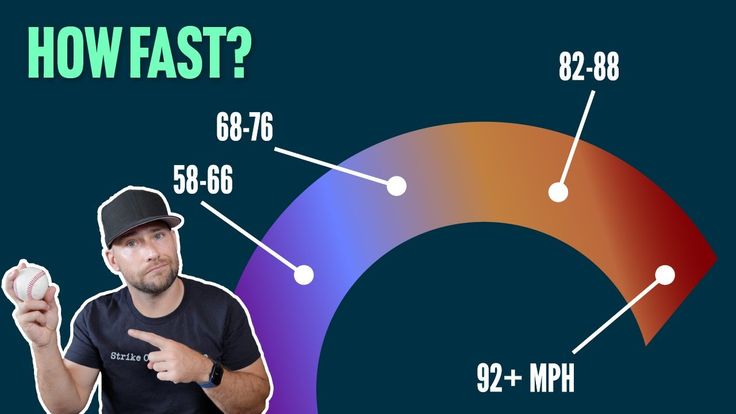
In the verdant fields of youth baseball, the first pitches are less about speed and more about rhythm. A child’s arm, still growing and unrefined, moves with the clumsy grace of a sapling bending in the wind. At ages 6 to 9, the average pitching speed hovers between 30 and 40 miles per hour—barely a whisper compared to the thunder of the majors. Yet this stage is foundational. It’s where muscle memory begins to form, where the flick of the wrist and the snap of the elbow first synchronize. Coaches often emphasize control over velocity, teaching young arms to hit corners rather than chase radar gun readings. The real magic here isn’t in the speedometer; it’s in nurturing a love for the game and instilling the discipline to throw with purpose. Think of it as planting a seed—small, unassuming, but brimming with potential.
The Adolescent Surge: When Arms Begin to Whisper to the Wind
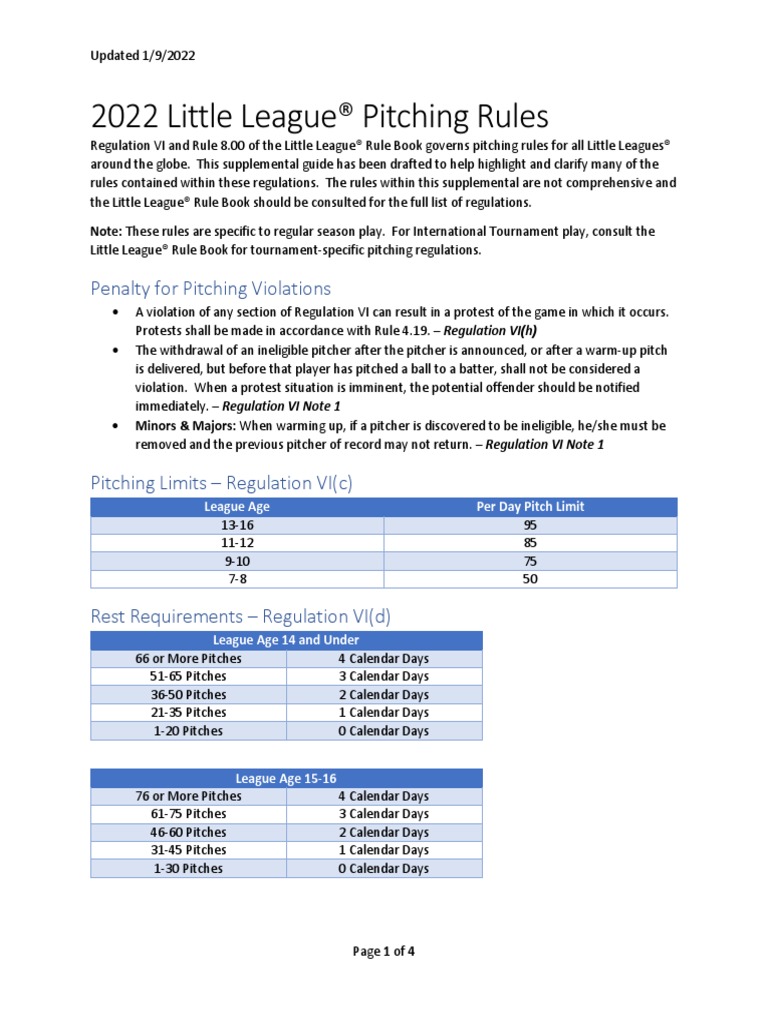
As children enter their pre-teen years, their bodies undergo a metamorphosis. Growth spurts lengthen limbs, strengthen cores, and amplify the torque generated in the pitching motion. By ages 10 to 14, speeds typically climb to 50–65 mph. This is the adolescent surge—a period where raw athleticism begins to intersect with technique. The fastball is no longer a gentle arc but a rising line drive of energy. Yet, this growth spurt is a double-edged sword. The imbalance between skeletal development and muscular strength can lead to injuries if mechanics are neglected. Proper warm-ups, rest, and age-appropriate training become critical. It’s like a sapling suddenly thrust into a storm—its branches must be guided, or they may snap under the weight of their own ambition.
The High School Crucible: Forging Velocity Through Repetition and Strategy
By the time a pitcher reaches high school, the stakes rise. Varsity arms routinely clock 70–85 mph, with elite performers touching 90 mph. This is where the art of pitching begins to crystallize into a science. High school pitchers refine their mechanics with surgical precision: the stride length, the hip-shoulder separation, the seamless transfer of energy from legs to torso to arm. Weighted ball training, long-toss routines, and bullpen sessions become daily rituals. The mental game also sharpens. A pitcher must now read hitters, adjust sequences, and command multiple pitch types. The fastball is no longer just a weapon—it’s a conversation starter, a psychological chess piece. Imagine a sculptor chiseling marble: each throw is a strike, each adjustment a refinement of form. The body becomes an instrument, and velocity, a byproduct of harmony.
The College Gauntlet: Where Talent Meets the Crucible of Competition
At the collegiate level, pitching becomes a high-stakes ballet. Speeds in the mid-90s are not uncommon among Division I arms, and the margin between success and obscurity is razor-thin. The college pitcher faces a gauntlet of elite hitters, advanced scouting reports, and the relentless grind of a 50-game season. Here, velocity is only part of the equation. Command, deception, and adaptability define the truly great. Pitchers experiment with grips, arm angles, and sequencing to keep hitters off-balance. The fastball is now a symphony of movement—tailing, rising, or darting away like a phantom. It’s the difference between a sledgehammer and a rapier: brute force alone won’t suffice. The pitcher must become a chameleon, blending power with guile, speed with subterfuge.
The Minor League Marathon: Refining the Craft in the Shadows
For those who ascend to the minor leagues, the journey is less about raw numbers and more about refinement. A 95-mph fastball in Double-A is not the same as one in the majors. The real test lies in consistency, durability, and the ability to command pitches in high-pressure situations. Minor league pitchers often cycle through bullpens, rehab assignments, and mechanical tweaks. Velocity may plateau or even dip temporarily as adjustments are made. The minor leagues are the proving ground where talent meets tenacity. It’s like a blacksmith tempering steel—each rep hones the blade, but the fire must be controlled, or the metal will shatter. The goal isn’t just to throw hard; it’s to throw smart, to survive the grind, and to emerge polished.
The Majestic Leap: MLB Velocity and the Art of the Impossible
When a pitcher finally steps onto an MLB mound, the expectations are stratospheric. Average fastball velocities hover around 93–95 mph, with aces routinely touching 98–100 mph. But velocity alone doesn’t guarantee dominance. The true masters of the craft blend elite speed with pinpoint location and an arsenal of secondary pitches. Consider the likes of Aroldis Chapman, whose 105-mph fastball is less a weapon and more a declaration of war. Or Jacob deGrom, whose 99-mph heaters arrive with the subtlety of a surgeon’s scalpel. In the majors, pitching is no longer just about throwing hard—it’s about redefining what’s possible. The body becomes a precision instrument, the mind a battlefield. Every pitch is a calculated risk, a high-wire act where a single misstep can cost a game.
The Unseen Engine: Biomechanics and the Science of Speed
Behind every blazing fastball lies a hidden architecture of movement. Biomechanics reveals that velocity is not merely a function of arm strength but of kinetic chain efficiency. The legs generate power, the hips rotate to transfer energy, the torso coils and uncoils like a spring, and the arm acts as the final whip in a symphony of motion. Poor mechanics—such as overstriding or early trunk rotation—can rob a pitcher of velocity and invite injury. Modern training leverages motion-capture technology, force plates, and high-speed cameras to dissect the pitching motion frame by frame. It’s like reverse-engineering a rocket: every component must align perfectly for the payload to reach its target. The pursuit of speed is not just physical; it’s a meticulous science.
The Mental Forge: Where Confidence Meets Chaos
Yet, even the most gifted arm is useless without the right mindset. Pitching is as much a psychological battle as it is a physical one. The mental forge shapes a pitcher’s ability to thrive under pressure, to bounce back from failure, and to maintain focus in the cauldron of a pennant race. Visualization techniques, breathing exercises, and mindfulness training have become integral to modern pitching development. The greatest pitchers—from Nolan Ryan to Clayton Kershaw—possess an unshakable belief in their abilities, a quiet confidence that borders on arrogance. They see the mound not as a battleground but as a stage, where every pitch is a performance. The mind, like the body, must be trained, sculpted, and conditioned for greatness.
The Future of Velocity: Innovation and the Boundaries of Human Potential
As baseball hurtles toward the future, the quest for velocity shows no signs of abating. Advances in training methodologies, nutrition science, and recovery protocols push the limits of human performance. Innovations like weighted ball programs, altitude training, and biomechanical feedback systems promise to unlock even greater speeds. Yet, the human body remains the ultimate variable. Genetics, injury history, and wear and tear dictate that not every pitcher can throw 100 mph. The future of velocity lies not in chasing arbitrary numbers but in optimizing each athlete’s unique potential. It’s a reminder that baseball, at its core, is a game of individuality—where every pitcher’s journey is a story of growth, adaptation, and relentless pursuit.