The crack of the bat, the roar of the crowd, the pitcher’s mound—a solitary island of focus amidst the storm of a baseball game. Every pitch is a microcosm of precision, where the difference between a strikeout and a home run often hinges on something invisible yet omnipresent: breath. The way a pitcher inhales and exhales between pitches isn’t just a rhythm; it’s a lifeline to composure, a conduit for power, and a shield against the chaos of the game. Diaphragmatic breathing, often overlooked in favor of mechanics or velocity, is the unsung hero of mound mastery. It’s the silent conductor of the pitcher’s symphony, orchestrating everything from focus to fastball velocity. Yet, despite its critical role, it remains one of the most underappreciated tools in a hurler’s arsenal. Why does something so fundamental feel so elusive? And how can mastering it transform an average pitcher into a dominant force?
The Science of Breath: Why the Diaphragm is the Pitcher’s Hidden Weapon
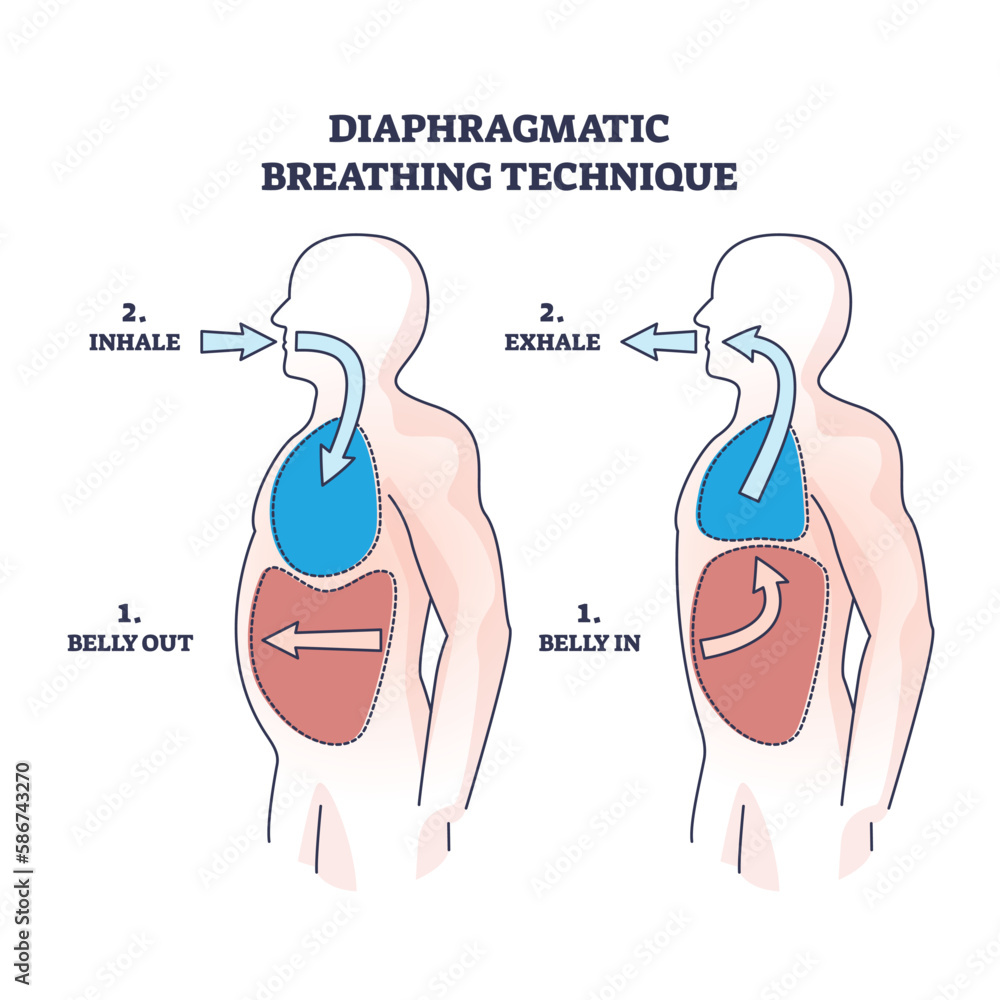
At first glance, breathing seems simple—inhale, exhale, repeat. But beneath the surface lies a complex interplay of physiology and psychology. The diaphragm, a dome-shaped muscle nestled below the lungs, is the engine of respiration. When engaged properly, it doesn’t just fill the lungs; it stabilizes the core, regulates heart rate, and sharpens mental acuity. For a pitcher, this is everything. A shallow chest breath, common under pressure, triggers the sympathetic nervous system—the body’s fight-or-flight response—sending heart rates soaring and muscles tensing prematurely. Diaphragmatic breathing, however, activates the parasympathetic system, the body’s rest-and-digest mode, fostering calm and control.
Consider the physiology: when the diaphragm contracts, it flattens and descends, creating negative pressure that pulls air into the lungs. This isn’t just about oxygen intake; it’s about intra-abdominal pressure, which acts as a natural weight belt, bracing the torso against the explosive torque of a pitch. Studies in sports science reveal that pitchers who prioritize diaphragmatic breathing exhibit lower cortisol levels, reduced muscle fatigue, and even improved pitch accuracy. The diaphragm isn’t just a breathing muscle—it’s a performance multiplier, a biological cheat code hidden in plain sight.
The Mental Game: Breath as the Anchor in the Storm
Baseball is as much a mental battle as it is a physical one. The mound is a pressure cooker, where a single errant pitch can unravel innings of meticulous preparation. Here, breath becomes the ultimate mental anchor. Diaphragmatic breathing isn’t just about oxygen; it’s about rhythm. A pitcher’s breath sets the tempo of their delivery, syncing the inhale with the load and the exhale with the release. This rhythm is the antidote to the paralysis of overthinking. When a hurler’s breath is steady, their mind follows suit, reducing the cacophony of doubt that often drowns out instinct.
Visualize a pitcher standing on the rubber, the bases loaded, two outs in the ninth. The crowd’s roar fades into a distant hum as they focus inward. A deep diaphragmatic inhale—four counts—fills the lungs, grounding them in the present. The exhale, slow and controlled, becomes the release valve for tension, a physical manifestation of letting go. This isn’t just breathing; it’s a ritual of resilience. The best pitchers don’t just throw pitches—they breathe them, each inhale and exhale a step toward mastery over the game’s chaos.
Mechanics Meet Breath: The Kinetic Chain of a Pitch
Breath and mechanics are inextricably linked. A pitcher’s delivery is a kinetic chain, a domino effect of movements where each segment relies on the one before it. The diaphragm’s role in this chain is foundational. When engaged, it creates a stable platform for the hips to rotate, the shoulders to whip, and the arm to accelerate. Without diaphragmatic support, the kinetic chain collapses under its own weight, leading to inefficiency and injury. Think of it as the difference between a wobbly Jenga tower and a fortress of blocks—one collapses under pressure, the other stands unshaken.
Consider the windup. As a pitcher coils, the diaphragm should expand fully, preparing the core for the explosive uncoiling that follows. A shallow breath here leaves the torso unstable, forcing the arm to compensate with extra effort. The result? Lost velocity and increased strain on the shoulder and elbow. Conversely, a deep diaphragmatic inhale ensures that the core is braced, allowing the lower body to drive the pitch while the upper body follows in harmony. This isn’t just about power; it’s about sustainability. Pitchers who master this connection often find their fastballs gaining velocity without sacrificing command, a rare and coveted combination.
Breath Under Fire: Handling High-Pressure Situations
The true test of a pitcher’s breath control comes in the crucible of high-leverage moments. A bases-loaded jam, a full count, or a game-tying homerun threat—these are the crucibles where legends are forged or broken. Here, the difference between a clutch performance and a meltdown often lies in the breath. Diaphragmatic breathing acts as a reset button, a way to interrupt the spiral of anxiety before it takes hold. When a pitcher feels the weight of the moment pressing down, a deliberate inhale and exhale can recalibrate their nervous system, restoring clarity and composure.
Take, for example, the case of a pitcher who allows a leadoff single, then proceeds to walk the next three batters. The temptation is to rush, to force the issue. But a pitcher who has trained their breath knows to pause, to reset. A slow, deep inhale—four counts—followed by a controlled exhale—six counts—can reset the heart rate and quiet the mind. This isn’t about stalling the game; it’s about reclaiming control. The best pitchers don’t just survive these moments—they use them as opportunities to showcase their mastery over both the game and themselves.
Training the Breath: Drills to Build a Dominant Rhythm
Like any skill, diaphragmatic breathing must be trained. The good news? It’s accessible to anyone, regardless of their current level. Start with the foundational drill: the four-square breath. Lie on your back, place one hand on your chest and the other on your abdomen. Inhale deeply through the nose for four counts, ensuring the abdomen rises while the chest stays still. Hold for four counts, then exhale slowly for six counts. Repeat for five minutes daily. This isn’t just about breathing; it’s about rewiring the body’s default patterns.
For pitchers, the next step is to integrate breath into their throwing routine. Before each bullpen session, spend five minutes practicing diaphragmatic breathing while visualizing pitches. As you throw, sync your breath with your delivery—inhale during the windup, exhale during the release. Over time, this becomes second nature, a reflex that enhances every pitch. Advanced pitchers can experiment with rhythmic breathing, using different counts to match the intensity of their fastballs or the deception of their changeups. The goal isn’t just to breathe; it’s to make breath an extension of the pitcher’s identity.
The Unseen Advantage: Why the Best Pitchers Master Breath
In a sport obsessed with velocity, spin rates, and analytics, it’s easy to overlook something as simple as breath. Yet, the most dominant pitchers in MLB history—from Sandy Koufax to Jacob deGrom—have all shared one trait: an uncanny ability to control their breathing. It’s the reason why some pitchers seem to thrive in the postseason, while others crumble under the weight of expectation. Breath isn’t just a tool; it’s a competitive edge, a way to outlast opponents who rely solely on physical talent.
The fascination with breath in baseball runs deeper than mechanics or strategy. It’s a reminder that the game is as much about the mind as it is about the body. A pitcher who masters their breath isn’t just throwing strikes—they’re demonstrating a mastery over themselves. In a sport where failure is inevitable, breath is the constant, the one thing a pitcher can always control. And in the end, that’s what separates the good from the great.