There’s a quiet artistry in baseball that unfolds in the crouch behind home plate, where the catcher becomes the field general, the pulse of the game’s rhythm. It’s not just about framing pitches or blocking sliders in the dirt—it’s about orchestrating chaos with precision. Calling pitches as a catcher is less about reacting and more about anticipation, a chess match played at 95 miles per hour. The best pitch sequences aren’t random; they’re calculated gambits, designed to exploit weaknesses, disrupt timing, and manufacture outs where none seem possible. This is where strategy meets instinct, where a flick of the wrist or a subtle nod can shift the tide of an entire game.
The Psychology of the Pitcher-Catcher Dynamic
At the heart of pitch calling lies an unspoken dialogue between pitcher and catcher, a silent negotiation of trust and control. The pitcher delivers the ball, but the catcher dictates its destination. This dynamic is built on mutual respect—yet it’s also a delicate balance of ego and humility. A catcher who calls too aggressively may erode a pitcher’s confidence, while one who hesitates risks leaving the game’s outcome to chance. The most effective sequences emerge when both parties embrace vulnerability: the pitcher trusts the catcher’s read of the hitter, and the catcher respects the pitcher’s ability to execute even the most demanding assignments.
Consider the 2023 World Series, where the Texas Rangers’ Jonah Heim and starter Nathan Eovaldi dismantled opposing lineups with surgical precision. Their success wasn’t just about velocity or movement—it was about Heim’s ability to read hitters’ tells, to sense when a pitcher’s fastball had lost its edge, and to pivot to a breaking ball before the hitter could adjust. This synergy isn’t born from instinct alone; it’s forged through thousands of reps, where catchers learn to interpret not just the pitcher’s body language but the hitter’s micro-expressions—the way a batter’s shoulders tense before a curveball or how their front foot lifts fractionally before a changeup.
Reading the Hitter’s Arsenal: The Art of Pattern Recognition
Every hitter has a signature rhythm, a cadence to their swing that reveals their approach. The best catchers don’t just memorize scouting reports—they study the game in real time, dissecting tendencies like a detective piecing together clues. A right-handed hitter who consistently chases low-and-away fastballs might seem predictable, but savvy catchers know to exploit that weakness with a well-placed slider in the same location. The key is to identify not just what a hitter *can* do, but what they *will* do in high-leverage situations.
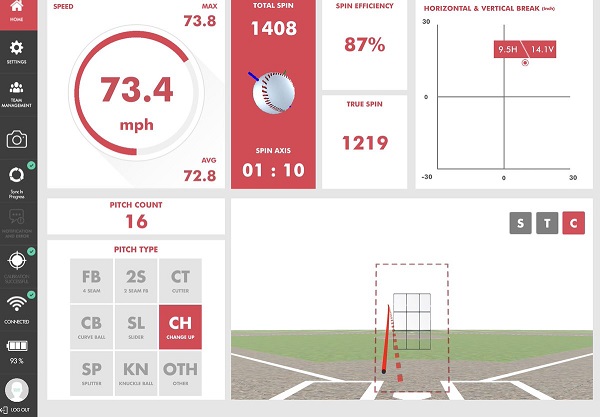
Advanced metrics have revolutionized this process. Tools like Statcast’s swing-path data and pitch-tracking systems reveal tendencies that even the most observant coaches might miss. For instance, a hitter who struggles with high fastballs might force a pitcher into a four-seamer up in the zone, even if it’s statistically less optimal, because the catcher knows the hitter’s muscle memory will betray them. This is where the line between strategy and superstition blurs—sometimes, the most effective calls defy analytics, relying instead on a catcher’s gut feeling honed over years of game experience.
Sequence Construction: The Domino Effect of Pitch Selection
A pitch sequence isn’t a series of isolated throws; it’s a narrative with a beginning, middle, and end. The first pitch sets the tone, the second builds tension, and the third—if executed properly—delivers the knockout blow. The most devastating sequences follow a simple principle: *escalate the threat*. Start with a fastball to establish the zone, then follow with a breaking ball to exploit the hitter’s timing, and finish with a changeup to disrupt their rhythm entirely. This isn’t just about mixing speeds—it’s about creating a cognitive dissonance in the hitter’s mind, forcing them to question every decision they make.
Take the legendary duel between Greg Maddux and Mike Piazza in the 1990s. Maddux, a master of sequencing, would often begin hitters with a fastball up and in, then follow with a cutter down and away. The hitter, expecting another fastball, would either swing over the top or chase the breaking ball into the dirt. This wasn’t about overpowering Piazza—it was about outthinking him. Modern catchers have taken this concept further, using pitch tunneling to make their offerings appear identical out of the hand before diverging at the last possible moment. The result? Hitters see one pitch, commit to it, and are left flailing at air.
The Count Game: Leveraging Leverage
Counts are the currency of pitch calling, and their value fluctuates with every ball and strike. A 3-0 count demands aggression—a fastball in the zone, perhaps a high fastball to elevate and coax a swing. But a 1-2 count? That’s where the real chess match begins. Here, the catcher must balance risk and reward. A hanging breaking ball might get crushed, but a well-placed changeup could induce a weak grounder. The best catchers treat each count like a blank canvas, painting with pitches that force the hitter into a losing proposition.
Consider the 2022 AL Wild Card game, where the Blue Jays’ Alejandro Kirk called a masterclass against the Mariners. Down to their last out, Kirk worked a full count against Julio Rodríguez, then called for a slider in the dirt. Rodríguez, expecting a fastball, swung over it for strike three. The sequence wasn’t just about location—it was about exploiting Rodríguez’s aggression in a high-leverage spot. This is the essence of count management: knowing when to play it safe and when to gamble, all while maintaining the illusion of predictability.
Situational Sabotage: Adapting to the Game’s Ebb and Flow
No two innings are alike, and the best pitch sequences adapt to the game’s shifting sands. With runners on base, the stakes rise, and the catcher’s role evolves from strategist to psychological warfare. A runner on second base? The catcher might call for a pitchout to keep the runner honest, or a high fastball to induce a pop-up. With a runner on third and less than two outs, the catcher may prioritize contact management, avoiding walks that could tie the game. This is where the catcher’s situational awareness becomes as critical as their pitch-calling acumen.
Even the most meticulous plans must bend to reality. A pitcher’s velocity might dip in the late innings, forcing the catcher to abandon a fastball-heavy approach in favor of breaking balls that generate weak contact. Or a hitter might adjust mid-at-bat, fouling off pitches until they find a rhythm. The best catchers don’t just call pitches—they improvise, recalibrating their strategy on the fly like a jazz musician riffing on a familiar melody. It’s this adaptability that separates the good from the great, the difference between a routine out and a game-saving strikeout.
The Unseen Variable: The Catcher’s Physical and Mental Stamina
Behind every pitch call is a catcher who has spent hours crouching in the dirt, their knees screaming, their fingers numb from foul tips. The physical toll is immense, but the mental strain is often overlooked. Calling pitches requires a level of focus that borders on obsession. One misread sequence can cost a game, and the weight of that responsibility lingers with every pitch. The best catchers develop routines to maintain clarity—breathing exercises between innings, mental checklists to reset after a mistake, or even subtle rituals like tapping their shin guard before a big call.
This mental fortitude is what allows catchers like Yadier Molina to thrive in the postseason, where the margin for error shrinks to almost nothing. Molina’s ability to block pitches, frame strikes, and call games with surgical precision wasn’t just talent—it was the result of years of conditioning, both physical and psychological. The catcher’s role is as much about endurance as it is about strategy, a test of wills where the body must obey the mind even when fatigue sets in.
Pitch calling is the invisible thread that weaves through every baseball game, a silent symphony of strategy and instinct. It’s a craft that rewards patience, demands adaptability, and thrives on the unspoken bond between pitcher and catcher. The next time you watch a game, look beyond the home runs and diving catches—watch the catcher’s signals, the way they adjust after each pitch, the calculated risks they take to tilt the odds in their favor. That’s where the real magic happens.