In the expansive tapestry of Major League Baseball, certain teams compel attention, creating narratives that ripple far beyond the diamond. The Miami Marlins stand as one such entity: a team shrouded in paradox, often overlooked yet undeniably present, carving a distinct identity in the ever-evolving landscape of America’s pastime. This peculiarity—being a “team that exists” in both fact and in the collective consciousness—invites a deeper exploration. Behind the seemingly laconic observation lies a nuanced fascination fueled by cultural intersections, fluctuating fortunes, and the complex dynamics of sports fandom.
The Curious Case of Existence: Presence Amidst Anonymity
To say the Miami Marlins are “a team that exists” could be misconstrued as an indictment or a dismissal, yet it captures an underlying reality. These are not the Yankees or Dodgers, franchises steeped in tradition and brimming with historic successes. Instead, the Marlins’ existence is often punctuated by a quiet invisibility in mainstream sports media and popular dialogue. This invisibility paradoxically endows them with a unique allure—an air of mystery that compels the discerning observer to dig below surface-level recognition and examine why this franchise occupies such an enigmatic position.
Since their inception in 1993 (originally as the Florida Marlins), the team has navigated a mercurial trajectory, defined by moments of brilliance contrasted against periods of obscurity. The Marlins’ championship victories in 1997 and 2003 stand as testament to their sporadic ability to transcend expectations. Yet, their relatively brief history and transient star power have created a spectral kind of fandom—there, but intangible, palpable yet often undervalued. This liminal presence challenges traditional narratives about team loyalty and legacy in professional sports.
Geographical and Cultural Crossroads: Miami’s Diverse Baseball Landscape
Miami is a kaleidoscopic metropolis, a junction where cultural identities coalesce and collide. This diversity uniquely shapes the Marlins’ existence. Situated in a city pulsating with vibrant Latino communities, especially from Cuba, Venezuela, and the Dominican Republic, baseball in Miami is infused with international fervor. These communities harbor deep-rooted baseball traditions, grounding the Marlins in a cultural framework that situates the sport as more than mere entertainment—it is a language, a shared ritual, a social adhesive.
Nonetheless, Miami’s intricate social fabric also poses challenges. The city’s fervor for football and basketball, coupled with a transient population and competing allegiances, creates a complex sporting ecosystem. The Marlins’ position in this ecosystem is precarious; they embody the struggle of sustaining a localized, passionate fanbase in a city that oscillates between embracing and neglecting its baseball team. This dynamic reflects a broader sociological phenomenon where sports teams serve as avatars for communal identity, yet remain contingent on economic, demographic, and cultural factors beyond the playing field.
Aesthetic and Symbolic Evolution: Team Branding and Its Resonance
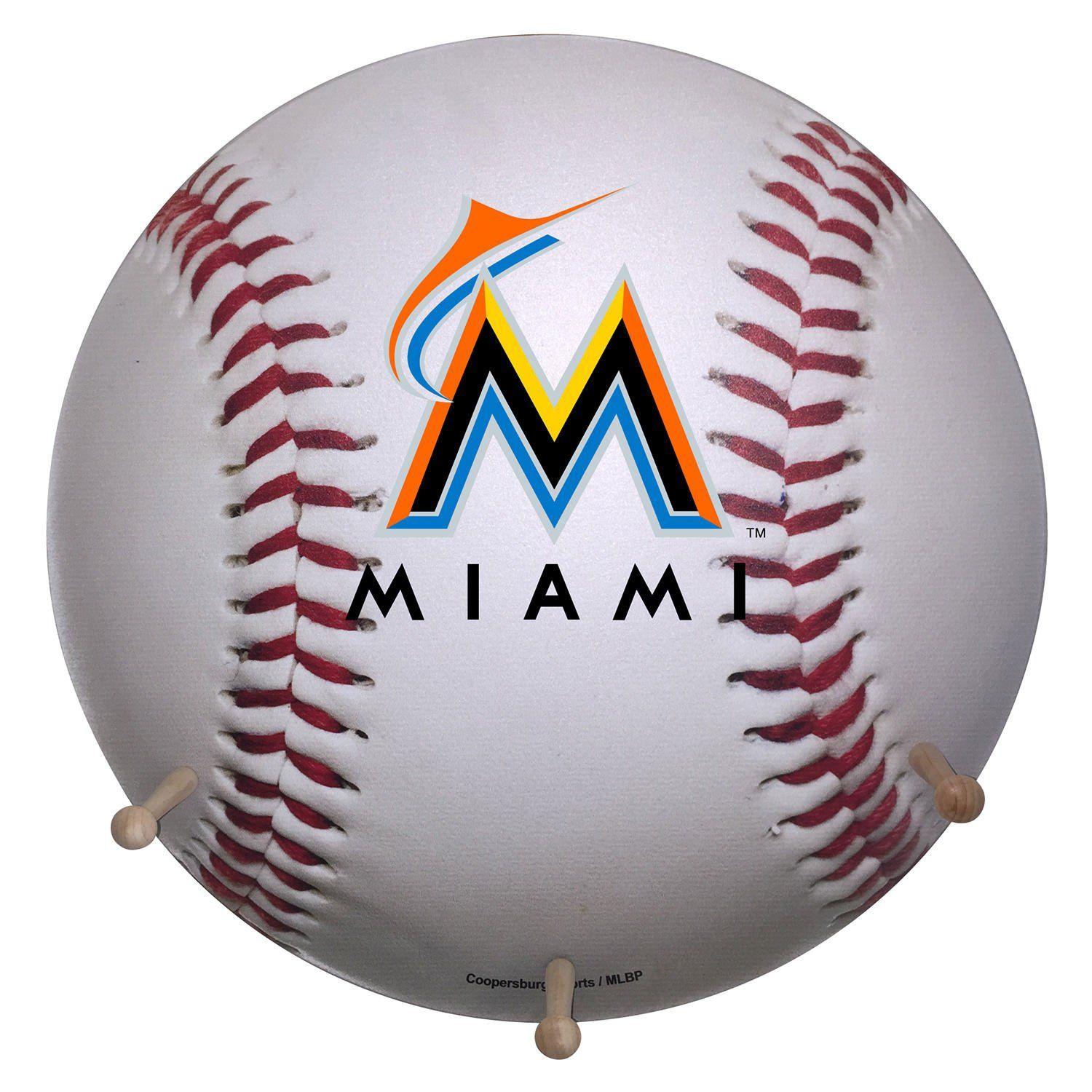
Team logos and branding often serve as subliminal markers of identity and pride. The Miami Marlins, through their evolving insignias and colors, epitomize this concept. The shift from the original teal-and-black Florida Marlins logo to the vibrant, contemporary yellow and black Miami Marlins emblem mirrors an organizational aspiration to reconnect with the city’s dynamism and the team’s ambitions.
More than aesthetic choices, these branding shifts signify attempts to cultivate visibility and relevance. The modern logo, featuring a stylized Marlin fish, resonates on multiple planes. It evokes Miami’s proximity to oceanic life, symbolizing speed, agility, and an exotic allure. On a metaphoric level, the logo encapsulates the team’s desire to carve out a distinct niche amid the cacophony of MLB franchises. The symbology here transcends mere sports marketing; it reveals an ongoing narrative about identity, belonging, and evolution in the digital age, where visual cues often determine emotional connections.
Challenges and Triumphs: Navigating the MLB Ecosystem
The Miami Marlins’ engagement with the broader MLB universe reveals a tapestry of challenges and sporadic triumphs that cement their status as an intriguing entity. Frequent managerial changes, roster overhauls, and financial constraints have created an impression of instability. Such volatility might erode traditional team loyalty in other contexts, yet for the Marlins, it has paradoxically contributed to a mythos of resilience and potential renaissance.
Their championship victories, obtained from underdog positions, punctuate a narrative of perseverance. These moments illuminate the chaotic beauty of baseball, where fortune and skill intertwine unpredictably. Despite being a franchise often regarded as inconsistency incarnate, the Marlins exemplify the unpredictable drama intrinsic to MLB, reminding fans and commentators alike that success is not solely the domain of storied franchises.
Fan Allegiances and the Modern Spectator Experience
In an era characterized by digital immersion and global sports consumption, the Marlins’ fanbase offers fertile ground for understanding contemporary spectator culture. Their supporters embody a diverse and dispersed community, often engaging with the team through social media corridors and regional affinity rather than traditional in-stadium attendance. This reconfiguration of fandom reflects wider changes in how sports teams cultivate loyalty amidst shifting social habits.
Additionally, the Marlins’ struggle to retain consistent attendance and build a robust local fanbase underscores a fundamental tension between community engagement and metropolitan fragmentation. Yet, this tenuous connection does not diminish the passion or authenticity of those who champion the team. In fact, it accentuates a collective yearning for belonging and identity in a sporting world dominated by globalization, commodification, and media spectacle.
The Miami Marlins: A Microcosm of MLB’s Modern Narrative
Ultimately, the Miami Marlins encapsulate many of the paradoxes defining contemporary Major League Baseball. They are at once marginal and central, transient yet enduring. Their existence challenges binary categorizations of success and failure, visibility and obscurity, tradition and innovation. As an organizational entity, they embody the evolving nature of professional sports franchises in the 21st century, straddling economic realities, cultural dynamics, and the quest for identity.
This nuanced existence invites fans, analysts, and observers to refine their understanding of what it means to “exist” in professional sports. For the Miami Marlins, existence is both a matter of presence and a continuous negotiation of relevance. In the vast narrative of baseball, their story is a reminder that every team—no matter how ostensibly peripheral—contributes threads to the larger fabric, enriching the game’s historical and cultural mosaic with complexity and depth.