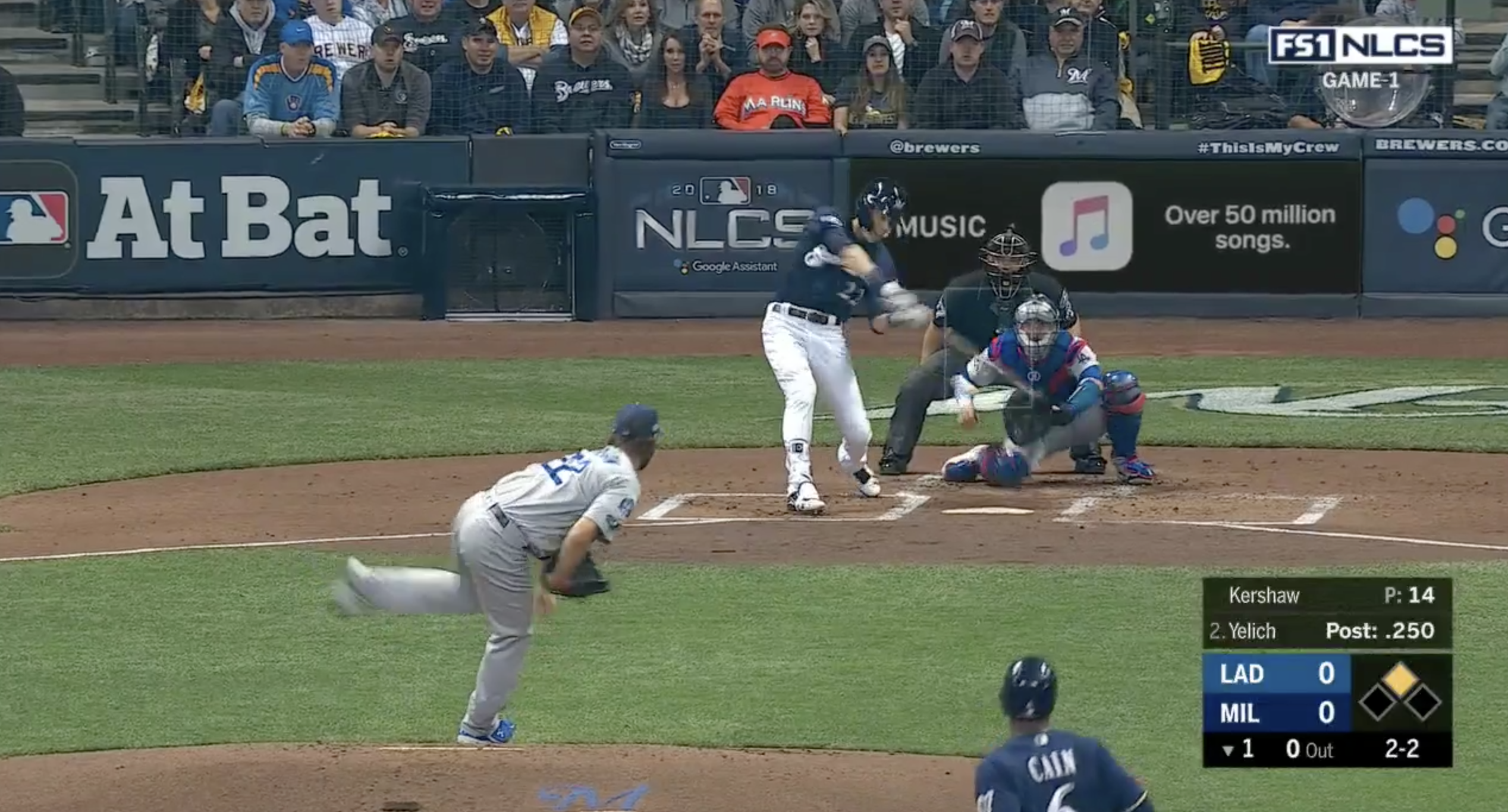
The “K Zone” in baseball isn’t just a strikeout statistic—it’s a psychological battleground where pitchers and batters wage war in the shadows of the diamond. A zone so elusive, so maddeningly subjective, that it feels like the umpire is gaslighting the entire stadium. Every pitch that hangs in the air, every swing that misses by a millimeter, every roar of the crowd or groan of the dugout hinges on an invisible line that exists only in the eyes of the beholder. This isn’t just about missed calls; it’s about the very fabric of the game being stretched, twisted, and sometimes shattered by the whims of human perception. The “K Zone” isn’t just a strikeout—it’s a rebellion against certainty, a reminder that even in the most measured of sports, chaos lurks in the corners of the rulebook.
The Illusion of Precision: When Technology Meets the Human Eye
Baseball prides itself on its numbers, its analytics, its cold, hard data. Yet, when the “K Zone” is invoked, all that precision evaporates into the ether. The strike zone, as defined by the rulebook, is a geometric marvel—a rectangle stretching from the batter’s knees to the midpoint of their torso, as wide as the plate itself. But in reality, it’s a chameleon, shifting with every pitch, every umpire, every batter’s stance. The introduction of Statcast and pitch-tracking technology has peeled back the curtain, revealing the stark discrepancies between what the computer sees and what the umpire calls. A pitch that dips below the knee might be ruled a strike, while one that grazes the top of the zone could be called a ball. It’s not just inconsistency—it’s a betrayal of the game’s supposed order.
The “K Zone” isn’t just a strikeout; it’s a referendum on trust. Fans, players, and analysts alike are left wondering: Are we watching a sport, or a surrealist painting where the rules are painted in watercolor? The umpire’s judgment, once the final word, now feels like a relic of a bygone era, clinging to authority in a world that demands precision. Yet, even as technology offers clarity, the human element persists—a reminder that baseball is as much about drama as it is about data.
The Psychological Warfare of the “K Zone”
For a pitcher, the “K Zone” is both a weapon and a curse. A well-placed fastball that dances along the black can induce a swing-and-miss, a “K” etched into the scoreboard like a badge of honor. But when that same pitch is called a ball, the pitcher’s psyche takes a hit. Confidence erodes. Mechanics falter. The next pitch, thrown with the same velocity and location, might now be a strike—because the umpire’s perception has shifted, not the pitch itself. It’s a mind game, a psychological trapdoor that swallows a player’s rhythm whole.
Batters, too, are ensnared in this web. A pitch that appears to be a ball might be ruled a strike, forcing them to adjust mid-swing, to second-guess their instincts. The “K Zone” becomes a psychological minefield, where every decision feels like a gamble. Is the umpire being generous? Is the pitcher fooling themself? The uncertainty breeds frustration, and frustration breeds mistakes. Even the most disciplined hitters can find themselves chasing pitches outside the zone, their discipline shattered by the umpire’s whims.
This isn’t just about missed calls—it’s about the erosion of control. Players spend lifetimes refining their craft, only to have their efforts nullified by a subjective judgment call. The “K Zone” isn’t just a strikeout; it’s a reminder that in baseball, as in life, the line between success and failure can be as thin as the umpire’s patience.
The Fan’s Dilemma: To Boo or To Believe?
For the fans, the “K Zone” is a spectator sport all its own. A roar of approval can turn into a chorus of boos in an instant, all hinging on the umpire’s call. The tension is palpable, the drama heightened by the knowledge that the decision might be wrong. Social media erupts. Memes are born. Arguments flare up in the stands, in the bars, in the echo chambers of the internet. The “K Zone” isn’t just a strikeout—it’s a cultural phenomenon, a shared experience that binds fans together in their collective frustration.
Yet, amidst the outrage, there’s a strange beauty to the chaos. Baseball thrives on its unpredictability, its ability to turn a routine play into a spectacle. The “K Zone” is just another layer of that unpredictability, a reminder that the game is as much about human error as it is about human excellence. Fans don’t just watch baseball—they live it, argue it, and sometimes, they even love it despite its flaws.
There’s a certain romance to the “K Zone,” a defiance of the sterile perfection that technology promises. It’s the crack of the bat, the dust of the slide, the umpire’s outstretched arm—all moments that can’t be quantified, only felt. In a world of algorithms and analytics, the “K Zone” is a rebellion, a stubborn insistence that some things should remain subjective, some things should remain human.
The Future of the “K Zone”: Can Technology Tame the Beast?
As baseball continues to evolve, the “K Zone” finds itself at a crossroads. Will technology finally silence the critics, replacing umpires with robotic precision? Or will the human element persist, a stubborn reminder that baseball is, at its core, a game played by people, for people? The answer isn’t clear, but the debate rages on.
Some argue that automated strike zones would eliminate bias, ensuring consistency and fairness. Others worry that it would strip the game of its soul, reducing umpires from arbiters of justice to mere operators of machines. The “K Zone,” in all its subjectivity, is a microcosm of this tension—a battle between tradition and progress, between human judgment and mechanical certainty.
Yet, even as the league experiments with robot umpires in the minor leagues, the “K Zone” remains a symbol of baseball’s enduring contradictions. It’s a strikeout that feels like a betrayal. It’s a pitch that’s both ball and strike, depending on who you ask. It’s a reminder that in baseball, as in life, the line between right and wrong is often blurred by the fog of perception.
The “K Zone” as a Metaphor: Life’s Unwritten Rules
Beyond the diamond, the “K Zone” serves as a powerful metaphor for the uncertainties we all face. It’s the job interview where the hiring manager’s expectations shift mid-conversation. It’s the relationship where love feels conditional, where affection is doled out in unpredictable increments. It’s the moment when the rules of the game seem to change without warning, leaving you scrambling to adapt.
Baseball, with its rigid structure and clear objectives, is a microcosm of life’s unpredictability. The “K Zone” is just one example of how even the most well-defined systems can be upended by the whims of those in power. It’s a lesson in resilience, in learning to play the hand you’re dealt, even when the deck feels stacked against you.
So the next time you watch a pitcher rear back and fire a fastball that hangs in the “K Zone,” remember: it’s not just about the strikeout. It’s about the human condition. It’s about the struggle to find meaning in a world that often feels arbitrary. And perhaps, just perhaps, it’s about finding beauty in the chaos.