The mound visit is one of baseball’s most enigmatic rituals—a fleeting pause where strategy crystallizes into silence, and the pitcher, for a moment, becomes a philosopher staring into the abyss of the game’s infinite possibilities. It’s not just a timeout; it’s a psychological duel, a tactical reset, and sometimes, a desperate plea for clarity in the chaos of nine men in motion. What unfolds in those 30 seconds can shift the momentum of a game, redefine a pitcher’s confidence, or unravel an opponent’s rhythm. Yet, for all its significance, the mound visit remains shrouded in mystery, its nuances often overlooked by casual fans but dissected with reverence by those who understand its weight. This is the story of the mound visit—not just as a procedural footnote, but as a microcosm of baseball’s soul.
The Anatomy of a Mound Visit: More Than Just a Timeout
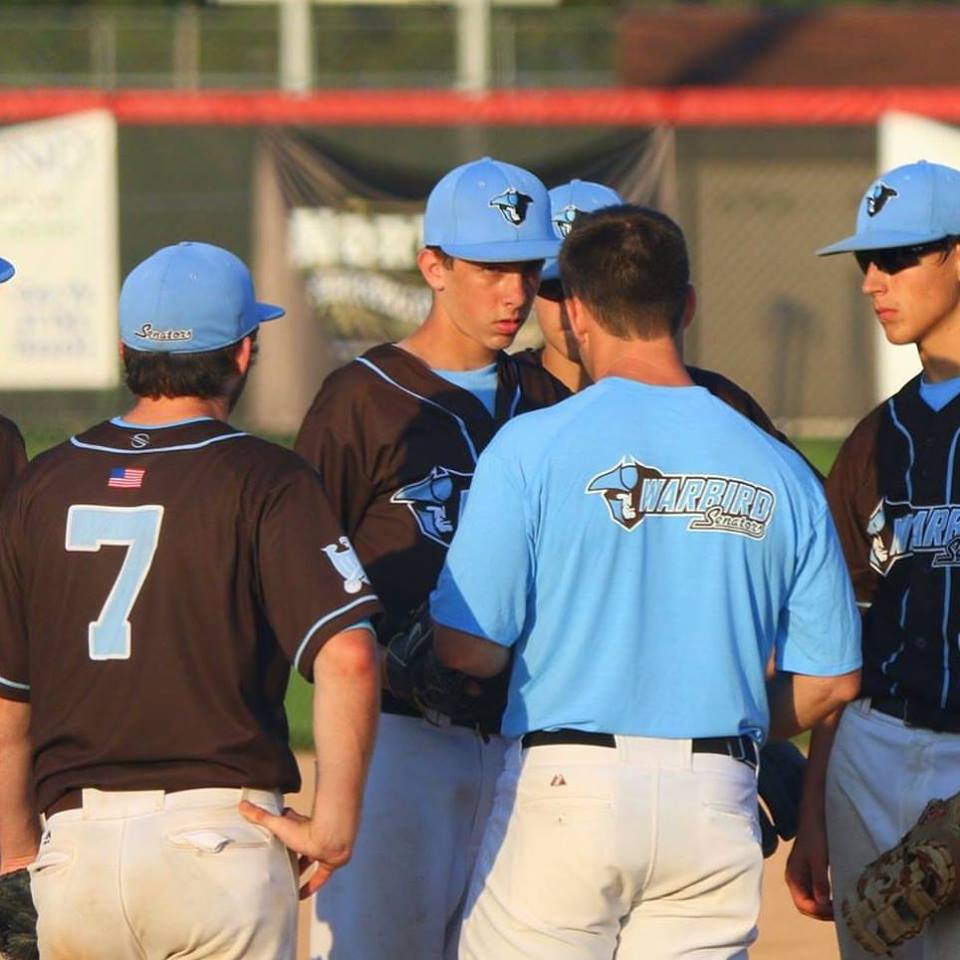
A mound visit is not merely a coach’s pit stop; it’s a calculated intervention, a surgical strike on the battlefield of the diamond. When a manager or pitching coach trudges up the third-base line, their boots crunching against the dirt like a metronome counting down to a pivotal decision, they’re not just there to offer encouragement. They’re there to dissect, to recalibrate, to inject a dose of tactical genius—or desperation—into the fray. The visit can last anywhere from a few seconds to a full minute, but its impact lingers long after the coach has retreated to the dugout. It’s a moment where the pitcher’s internal monologue—usually a storm of self-doubt and adrenaline—is interrupted by an external voice, one that promises clarity in the fog of war.
What’s said in those fleeting exchanges is rarely broadcast to the crowd, but its echoes reverberate through the game. Is the pitcher losing command of his fastball? Is the catcher signaling for a curveball but the pitcher’s confidence is wavering? The mound visit is where these questions are hashed out, where the language of baseball—signs, nods, and whispered jargon—collides with the raw emotion of a player under siege. It’s a reminder that baseball, for all its statistical rigor, is still a game of human frailty, where a single moment of doubt can spiral into a three-run inning.
The Psychology of the Pitcher: When the Void Stares Back
For the pitcher, the mound visit is a double-edged sword. On one hand, it’s a lifeline—a chance to reset, to breathe, to remind himself that he’s not alone in this battle. On the other, it’s a spotlight on his inadequacies, a public admission that he’s struggling. The best pitchers thrive on autonomy, their confidence rooted in the belief that they alone control the fate of each pitch. But when that control slips, even for a moment, the mound visit becomes a necessary crutch, a way to reclaim the reins before the abyss of failure yawns too wide.
Consider the pitcher who’s just given up a towering home run, his confidence shattered like glass under a cleat. A mound visit isn’t just about adjusting the pitch sequence; it’s about rebuilding the mental scaffolding that holds his performance together. The coach’s words—whether a reminder to trust his slider or a blunt “just throw strikes”—can be the difference between a meltdown and a composed inning. Yet, there’s a fine line between support and scrutiny. Too much input, and the pitcher may feel micromanaged, his instincts dulled by overanalysis. Too little, and he’s left drowning in his own thoughts, the weight of the game pressing down like a thousand eyes watching his every move.
The Coach’s Gambit: Strategy in the Silence
The manager or pitching coach ascending the mound is not just a messenger; they’re a chess player making a calculated move. Every visit is a gamble, a bet on whether the pitcher can execute the game plan or if a wholesale change is needed. Sometimes, the visit is a feint—a distraction to disrupt the hitter’s rhythm, a psychological ploy to make the batter question his own approach. Other times, it’s a desperate Hail Mary, a last-ditch effort to salvage an inning before the bullpen is called upon.
The best coaches understand that the mound visit is as much about body language as it is about strategy. A pitcher who’s visibly shaken may need a pep talk, not a pitch call. A hitter who’s timing the fastball perfectly might benefit from a sudden shift in approach, even if it means the pitcher abandons his comfort zone. The coach’s challenge is to read the room—to sense the unspoken tension between pitcher and catcher, to decipher the subtle cues that betray a player’s mental state. It’s a role that demands intuition as much as intellect, a blend of baseball savvy and human empathy.
The Unwritten Rules: When Visits Cross the Line
Not all mound visits are born of pure tactical intent. Some are born of gamesmanship, of a coach’s desire to disrupt the opposing team’s flow. Baseball, for all its romanticized traditions, is a sport where psychological warfare is as much a part of the game as the double play. A prolonged visit can test a hitter’s patience, rattle his concentration, or even provoke a reaction—intended or not. The unwritten rules of baseball dictate that such visits should be brief, that lingering too long is an affront to the game’s spirit. Yet, in the heat of competition, lines blur. A coach might stretch a visit to buy time for his bullpen to warm up, or to let a pitcher’s nerves settle. The line between strategy and gamesmanship is thin, and crossing it can spark controversy—or admiration, depending on who’s watching.
There’s also the matter of frequency. In an era where pitch clocks and pace-of-play initiatives seek to streamline the game, mound visits are a glaring anachronism. Some argue they slow the game to a crawl, that they’re relics of a bygone era when baseball moved at the speed of molasses. Others defend them as essential to the game’s rhythm, a necessary pause in the relentless march of innings. The debate rages on, but one thing is clear: the mound visit, for better or worse, is here to stay, a stubborn reminder that baseball is as much about the spaces between the action as the action itself.
The Aftermath: How a Visit Reshapes the Game
The true magic of the mound visit lies in its aftermath. A well-timed visit can be the catalyst for a pitcher’s resurgence, a turning point where doubt gives way to dominance. Conversely, a poorly executed visit can amplify a pitcher’s struggles, turning a small hiccup into a full-blown crisis. The best-case scenario is a pitcher who emerges from the visit with renewed focus, his mechanics tightened, his confidence restored. The worst-case scenario? A pitcher who’s overcoached, his confidence eroded by too much input, his instincts dulled by second-guessing.
For the opposing team, the mound visit is a window into the pitcher’s psyche. A hitter who notices a coach’s prolonged stay on the mound might sense weakness, might adjust his approach to exploit the perceived uncertainty. It’s a cat-and-mouse game where every visit is a potential tell, a clue in the larger puzzle of the game. And for the fans in the stands, the mound visit is a moment of suspense, a breath held as the game hangs in the balance. Will the pitcher regroup? Will the coach’s advice backfire? The answers unfold in the next pitch, the next swing, the next heartbeat of the game.
The Future of the Mound Visit: Tradition vs. Innovation
As baseball evolves, so too does the role of the mound visit. With the advent of advanced analytics and real-time data, coaches have more information at their fingertips than ever before. Yet, the mound visit remains a human touch in an increasingly data-driven sport. Will it survive the march of progress? Or will it be relegated to the dustbin of baseball history, a quaint relic of a simpler time? The answer may lie in the balance between innovation and tradition. The mound visit, in all its imperfect glory, is a reminder that baseball is not just a game of numbers—it’s a game of people, of emotions, of moments that defy quantification.
Perhaps the future of the mound visit lies in its adaptability. Coaches may use it less as a reactive tool and more as a proactive one, a way to preemptively address potential issues before they spiral out of control. Pitchers, too, may become more discerning in their visits, seeking guidance only when absolutely necessary. Whatever the future holds, one thing is certain: the mound visit will endure, not because it’s efficient, but because it’s essential. It’s the heartbeat of the game, the pause that reminds us that baseball is not just about winning—it’s about the journey, the struggle, and the quiet moments in between.