The first baseman is the unsung sentinel of the infield, the final bulwark against the chaos of errant throws and misjudged grounders. In the high-stakes theater of Major League Baseball, where every inch of turf is scrutinized and every misstep magnified, the role of the first baseman transcends mere position play. It is a blend of geometry and reflexes, a dance of anticipation and precision where the margin between glory and ignominy is measured in millimeters. When a team secures a first baseman with the acumen to mitigate the infield’s miscues, it isn’t just a roster move—it’s a strategic masterstroke, a silent vow to preserve the integrity of the game’s most sacred rituals.
The First Baseman as the Infield’s Architect
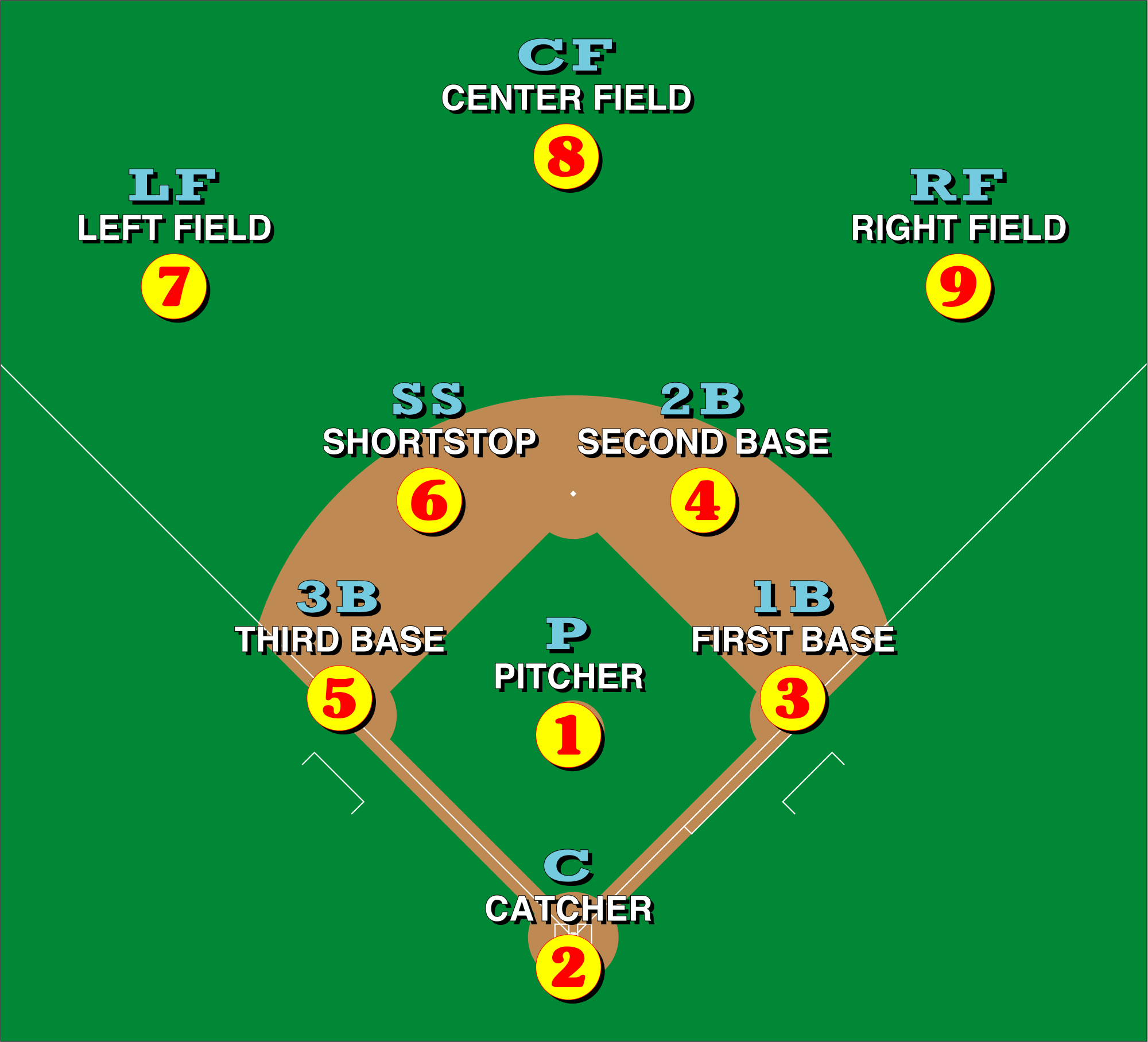
Imagine the infield as a sprawling, six-sided chessboard where pawns—shortstops, third basemen, and second basemen—scurry under the watchful gaze of the king’s rook. The first baseman, however, is not merely a piece in this game; they are the architect, the one who designs the angles of redemption. A misplayed grounder ricocheting toward the hole between third and short? The first baseman’s positioning, a subtle shift of weight or a preemptive step, can transform a potential error into a rally-killing out. Their glove is not just a receptacle for throws; it is a canvas where errors are erased with the stroke of a brush.
Consider the physics at play. A ground ball travels at velocities that defy human reaction time, yet the first baseman’s footwork—anchored by muscle memory and spatial awareness—converts chaos into order. They are the embodiment of the savior complex, a term borrowed from psychology to describe those who intervene in moments of systemic failure. In baseball, this complex is not a flaw but a necessity. The first baseman’s ability to read the trajectory of a ricocheting hop, to adjust their glove angle mid-air, is less about reflex and more about a sixth sense—a kinetic intuition that separates the good from the great.
The Glove as a Shield Against the Infielder’s Folly
There is an almost mythological quality to the first baseman’s glove. It is not merely leather and webbing; it is a talisman, a barrier between order and the abyss of unforced errors. When an infielder boots a grounder, the first baseman’s glove becomes the last line of defense, a metaphorical excalibur plucked from the stone of chaos. The way they cradle a wild throw, fingers splayed like the branches of an ancient oak, is less a skill and more a form of alchemy—turning leaden missteps into golden outs.
This alchemy is not happenstance. It is the result of relentless repetition, of drills that drill into the subconscious the muscle memory required to make the impossible seem routine. The first baseman’s glove is an extension of their mind, a tool that anticipates the infield’s follies before they occur. They do not wait for the ball to arrive; they summon it, coaxing it into their mitt with the precision of a conductor leading an orchestra through a crescendo of errors.
The Psychological Chess of the First Base Position
Baseball is as much a mental game as it is a physical one, and the first baseman is the game’s most underrated psychologist. They must read the infielders’ body language, their micro-expressions, the subtle tells that betray a misplay before it happens. A shortstop’s hesitation, a third baseman’s overcommitment—these are the breadcrumbs leading to the first baseman’s salvation. They are the silent conductor of the infield’s symphony, ensuring that each misstep is harmonized into silence.
There is a term in sports psychology called anticipatory anxiety, the dread of failure that can paralyze even the most skilled athletes. The first baseman, however, thrives in this space. They do not fear the infield’s errors; they expect them. This expectation is not born of cynicism but of preparation. By mentally rehearsing every possible misplay, they transform anxiety into opportunity. The first base position is not for the faint of heart; it is for those who see the game not as a series of perfect plays but as a tapestry of near-misses, where their role is to weave the threads of redemption into a seamless whole.
The First Baseman’s Dual Role: Glove and Bat
Yet the first baseman’s responsibilities extend beyond the infield’s failings. They are also the team’s first line of offensive production, a duality that makes their role uniquely demanding. The bat in their hands is not just a tool for driving in runs; it is a weapon against the pitcher’s dominance. A first baseman who can hit is a nightmare for opposing defenses, forcing them to account for both the glove and the lumber. This dual threat is the essence of the position’s appeal—a blend of defensive prowess and offensive firepower that few roles in baseball can match.
Consider the contrast: a first baseman fielding a grounder with the grace of a ballet dancer, then stepping into the batter’s box with the ferocity of a gladiator. This juxtaposition is what makes the position so captivating. They are the yin and yang of the diamond, the balance between defense and offense, between chaos and control. When a first baseman steps up to the plate with runners in scoring position, the infield’s errors suddenly feel less like failures and more like opportunities. The first baseman becomes the fulcrum upon which the game’s momentum turns.
The Evolution of the First Baseman: From Stationary Target to Dynamic Playmaker
The role of the first baseman has undergone a remarkable evolution over the decades. In the early days of baseball, the position was little more than a stationary target, a player whose primary duty was to catch throws and avoid collisions at the bag. Today, the first baseman is a dynamic playmaker, a hybrid of fielder, hitter, and strategist. The modern first baseman must possess the range of a center fielder, the arm strength of a right fielder, and the bat speed of a designated hitter. They are the Swiss Army knife of the infield, a player whose versatility is as valuable as their glove work.
This evolution has been driven by the game’s increasing emphasis on analytics and defensive positioning. Teams now deploy shifts that push first basemen into positions once thought impossible, requiring them to cover ground that was once the sole domain of middle infielders. The first baseman’s range has become a weapon, a way to neutralize the opposing team’s offensive strengths. This shift has also elevated the position’s offensive expectations. A first baseman who can hit for power while playing elite defense is a rare commodity, a player who can single-handedly change the complexion of a game.
The First Baseman’s Legacy: More Than Just a Position
To play first base is to embrace a role that is as much about character as it is about skill. The greatest first basemen in history—from Lou Gehrig to Keith Hernandez to Anthony Rizzo—are remembered not just for their statistics but for their intangibles. They are the players who made their teammates better, who turned errors into outs, and who carried the weight of the infield’s failures with grace. Their legacy is not measured in home runs or RBIs alone but in the intangible currency of trust and reliability.
The first baseman is the backbone of the infield, the silent guardian of the diamond’s integrity. They are the players who make the game look effortless, who turn the impossible into the routine. In a sport where every play is dissected and every mistake is magnified, the first baseman stands as a beacon of consistency. They are the ones who remind us that baseball is not just about perfection but about redemption, not just about skill but about heart.
So the next time you watch a ground ball skid past an infielder, don’t cringe at the error. Instead, watch the first baseman. Watch as they extend their glove like a painter’s brush, as they erase the infield’s folly with a single motion. That, in its purest form, is the magic of baseball—the art of turning chaos into order, of transforming errors into outs, and of making the impossible look like child’s play.