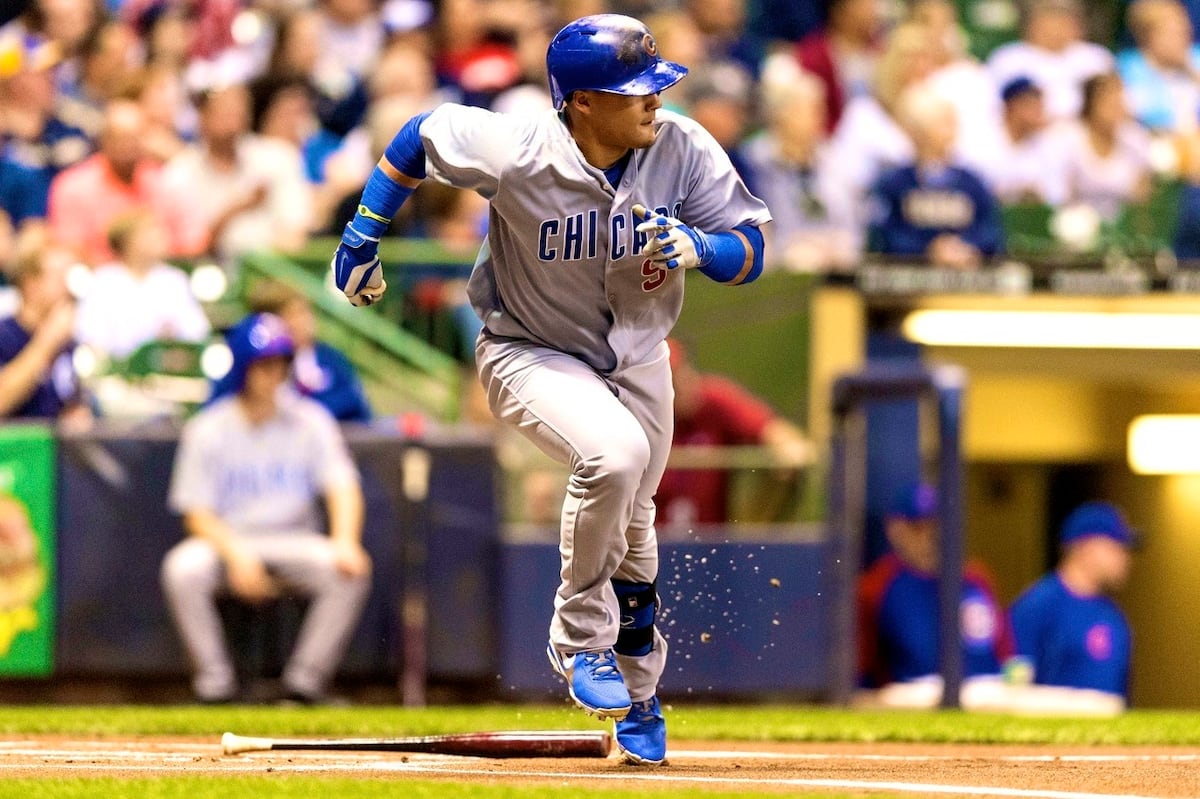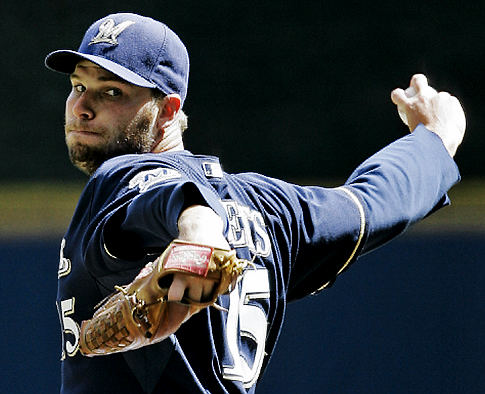
When stepping up to the batter’s box or navigating the dugout, the baseball cap is as iconic as the crack of the bat itself. Yet, beneath the brim lies a subtle stylistic schism that has captivated fans and players alike: the flat brim versus the curved brim. Could such a seemingly minute detail pose an unexpected challenge in the world of baseball culture and performance? The evolution of the baseball hat is a story woven with cultural shifts, functional necessity, and stylistic rebellion, illuminating how this headpiece has transformed beyond mere utility to become an emblem of identity within Major League Baseball (MLB).
The Origins: From Functional Headwear to Symbolic Apparel
Baseball hats originated in the mid-19th century, initially intended as pragmatic gear to shield eyes from the sun while players were focused on the game. Early caps were typically soft, rounded, and rather simplistic, featuring modest brims that served their utilitarian purpose. As the sport burgeoned in popularity, so too did the demand for equipment that fused function with emerging symbolism. The cap evolved, taking on the colors and branding that fans could rally behind, and becoming a staple of the athlete’s uniform.
This transition from mere utility to emblematic apparel set the stage for future aesthetic divergences. The question often overlooked is how the shape of the brim could signify more than protection from sunlight—how it might broadcast allegiance, attitude, and personality.
The Rise of the Curved Brim: Tradition and Practicality
For much of the 20th century, the curved brim reigned supreme. Its contoured shape served the pragmatic purpose of deflecting sunlight while fitting snugly to the contour of the forehead, minimizing glare and distraction. Players favored curves because they effectively reduced peripheral light interference, enabling sharper focus during the game’s critical moments.
Moreover, the curved brim became deeply intertwined with baseball’s storied traditions. Legends of the game—icons immortalized in photographs and memorabilia—wore that unmistakable curve, cementing it as a symbol of authenticity and heritage. The curvature also accommodated the contours of helmets and protective gear, a necessity that ensured player comfort and safety during the game.
Its long-standing presence underscored a conservative attitude toward apparel regulation, where functional reliability often outweighed fashion statements. The curved brim thus represented the archetypal baseball cap: rugged, practical, and steeped in history.
Flat Brim Caps: The Emergence of a New Era
Enter the flat brim—initially a phenomenon observed off the field, parading through urban fashion scenes and youth culture. Often associated with hip-hop, skateboarding, and streetwear, flat brims projected a starkly different visage: one of rebellion, modernity, and stylistic audacity. The flat brim’s geometric edges conveyed an assertive, almost architectural presence that broke from the graceful arc of the traditional cap.
As MLB players began adopting flat brims, fans and critics alike pondered the implications. Was this a mere aesthetic evolution, or did it signify a broader cultural cross-pollination? The flat brim’s arrival challenged purist sensibilities—some dismissed it as a distraction, a fad incongruent with baseball’s timeless ethos. Yet, its appeal among younger players suggested a generational shift, reflecting an era where fashion and sport confluence more intensely than ever before.
Moreover, flat brims offer practical advantages. Their rigidity provides a predictable shade angle, and the structural shape often accommodates customizations such as embroidered patches or logos more prominently. This makes them a favorite for team merchandise, adding a visual and commercial dimension to their functionality.
Aesthetic Identity Versus Athletic Functionality
At the heart of the flat brim versus curved brim debate lies a tension between aesthetic identity and athletic functionality. Curved brims embody tradition, aligning with the practical needs of athletes engaged in relentless physical exertion under harsh sunlit conditions. Conversely, flat brims underscore style, self-expression, and cultural affiliation, reflecting a world where athletes are equally entertainers and influencers.
Players who adopt flat brims often speak to their preference for individuality, sometimes extending their on-field persona into a broader lifestyle brand. Flat brims do confer a fashion-forward edge that resonates beyond the diamond. Yet, critics argue that the potential for sun glare and discomfort might hinder performance, posing a latent challenge for athletes who must balance appearance with unyielding physical demands.
This dichotomy reveals an inherent friction: can a cap be both a functional tool and a cultural artifact without compromising either role? The ongoing popularity of both brim styles suggests that baseball continues to accommodate this duality, reflecting the sport’s evolution as both a game and a cultural phenomenon.
Technological Innovations and Materials: Changing the Game
The materials and manufacturing techniques behind baseball caps have evolved substantially, impacting the flat versus curved brim dynamic. Early caps were constructed with wool and cotton blends, prioritizing breathability and form. Today, the integration of synthetic fibers, moisture-wicking linings, and adjustable fasteners has redefined what a baseball hat can do.
Modern curved brims often incorporate malleable inserts that let players customize the curve’s tightness or looseness, blending personalization with function. Similarly, flat brims are reinforced with higher-tech materials that preserve their structure throughout the wear, even under the duress of long game days.
Technological innovation has thus mitigated some of the traditional concerns associated with each brim type. Enhanced ventilation, sweat absorption, and adjustable fits reflect a holistic approach to cap design—one that is investigative and responsive to athletes’ diverse preferences and evolving needs.
Fan Culture and Commercialization: Beyond the Diamond
The baseball hat transcends the field, embedded deeply in fan culture and commercial marketing. This intersection has propelled both curved and flat brim styles into global pop culture phenomena. Replica caps, signature collection models, and limited-edition releases harness fan loyalty, fueling an economic ecosystem where brim style is a crucial consideration.
Flat brims have proven particularly potent in the fashion marketplace, appealing to collectors and fashion enthusiasts who might not even follow baseball. Conversely, curved brim caps maintain a steadfast place among purists and longtime fans. The tension between these markets encapsulates a broader dialogue on tradition versus innovation within sports merchandising.
Moreover, franchises leverage brim styles strategically, unveiling exclusive releases during events like Opening Day or postseason runs. This marketing ingenuity reflects the unrelenting evolution of baseball hats—not merely as sporting equipment but as cultural commodities that echo societal trends.
Looking Forward: Will the Debate Ever Be Settled?
The flat brim versus curved brim debate may never find definitive resolution—and perhaps it shouldn’t. It exemplifies the nuanced interplay between legacy and modernity, practicality and aesthetics, individuality and community. This ongoing discourse invites fans and players to reflect on what a baseball hat represents beyond mere sun protection.
Could the future reveal a new hybrid design that synthesizes the best of both worlds, or will the divide deepen as fashion continues to intersect with athletic performance? As apparel technology advances and cultural tides shift, the brim styles will likely continue to cohabitate, each carving out distinct but complementary niches in the grand tapestry of baseball.
Ultimately, the playful question remains: in the quintessential game of America, is the curve or the flat brim the true catcher’s mask of individualism? The hat you choose might just say more than the stats on your scoreboard.