The Tampa Bay Rays have spent over two decades in a baseball purgatory, caught between the siren call of a new stadium and the Sisyphean task of convincing stakeholders that their current home is no longer fit for the modern game. What if the solution isn’t just about bricks and mortar, but about reimagining the very essence of what a ballpark represents? The saga of the Rays’ stadium quest is less a straightforward negotiation and more a labyrinth of competing interests, financial gymnastics, and the eternal dance between tradition and progress. Could this be the moment when Tampa Bay finally breaks the cycle—or will it remain trapped in a loop of unfulfilled promises?
The Rays’ Dilemma: A Stadium Stuck in the Past
The Tropicana Field, with its distinctive catwalks and cavernous interior, was once a marvel of engineering—a concrete testament to the 1990s’ obsession with multi-purpose venues. Yet, as the decades have passed, the stadium has become a relic, a place where the echoes of empty seats outnumber the cheers of fans. The Rays, a franchise that has consistently punched above its weight in on-field performance, have found themselves hamstrung by a ballpark that no longer aligns with the demands of 21st-century baseball. Attendance figures languish, revenue streams stagnate, and the team’s ability to compete is stifled by the limitations of a facility that feels more like a time capsule than a temple of the game.
But the issue isn’t merely one of aesthetics or nostalgia. The Rays’ struggles extend beyond the turnstiles. The stadium’s design, while innovative in its time, has become a logistical nightmare. The catwalks, once a novelty, now obstruct critical sightlines, turning what should be a seamless baseball experience into a frustrating puzzle for fans. The lack of natural grass—replaced by a synthetic surface that has drawn criticism for its impact on player performance—further compounds the problem. In an era where ballparks are designed to be immersive, fan-centric experiences, Tropicana Field feels like a museum piece, preserved but not celebrated.
The Quest for a New Home: A Tale of Two Cities
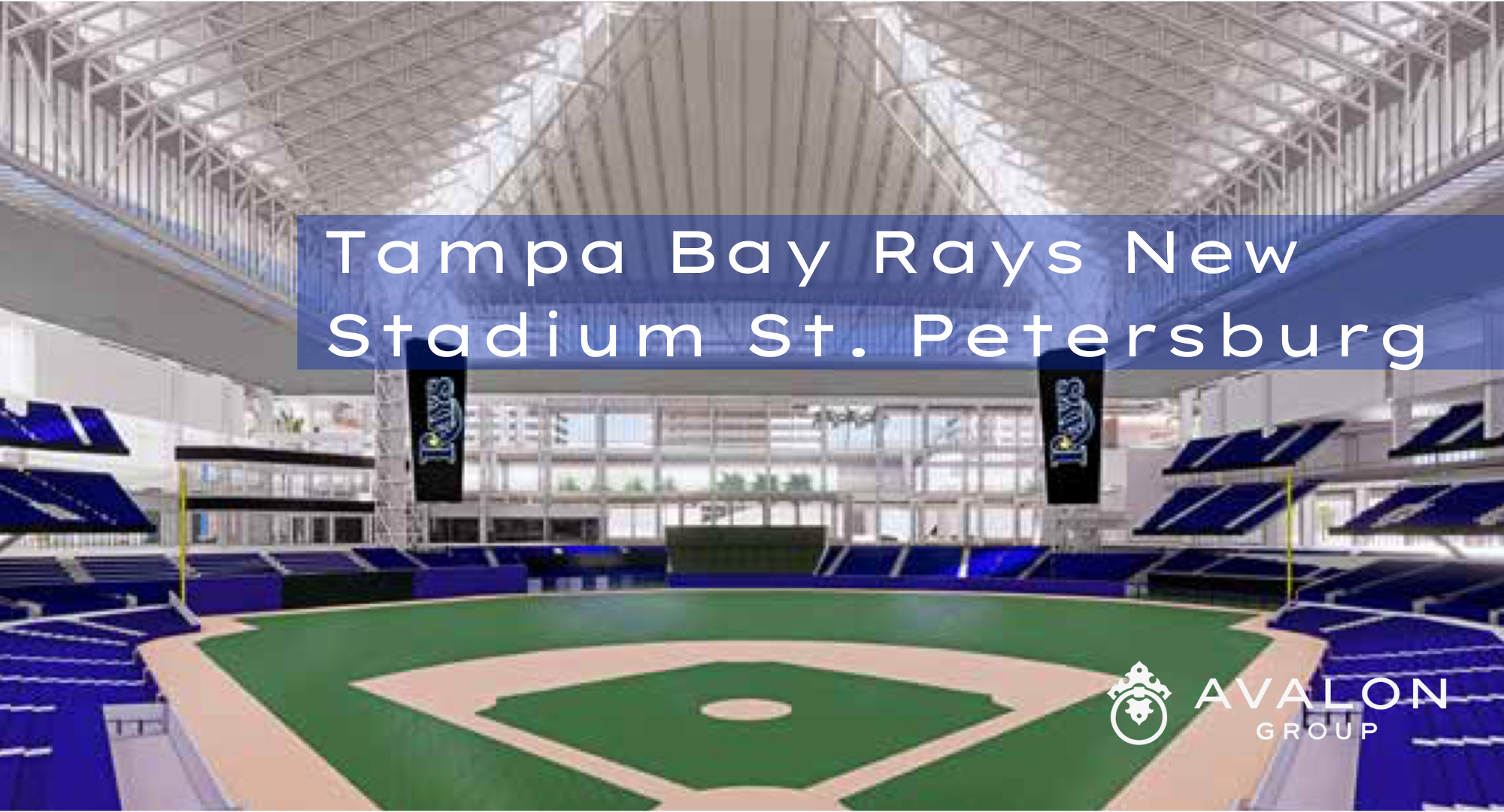
The Rays’ pursuit of a new stadium has been a rollercoaster of political maneuvering, public relations campaigns, and financial negotiations. The team’s initial proposal centered on a bold vision: a $1.2 billion stadium in downtown St. Petersburg, designed to be a cornerstone of urban renewal. The plan promised not just a ballpark, but a vibrant hub of entertainment, dining, and community engagement. Yet, the road to realization has been fraught with obstacles. Local opposition, concerns over public funding, and the complexities of land acquisition have turned what should have been a straightforward project into a protracted chess match.
Enter Tampa, the Rays’ alternative suitor. The city’s proposal to build a stadium near the waterfront has injected a new layer of intrigue into the saga. With promises of a state-of-the-art facility and a more lucrative financial package, Tampa has positioned itself as the team’s potential savior. But the move raises a tantalizing question: Is this a savvy strategic pivot, or a gamble that could fracture the Rays’ identity? Baseball, after all, is as much about place as it is about performance. The Rays’ connection to St. Petersburg runs deep, rooted in decades of community support and local pride. A move to Tampa could sever those ties, leaving fans in the lurch and the team adrift in unfamiliar territory.
The Financial Tightrope: Who Pays the Piper?
At the heart of the stadium debate lies a perennial conundrum: Who foots the bill? The Rays have made it clear that they cannot—and will not—shoulder the entire financial burden alone. Public funding, in the form of tax dollars or subsidies, has become a flashpoint in the negotiations. Critics argue that taxpayers should not be on the hook for a private enterprise’s ambitions, while proponents contend that a new stadium would generate economic benefits far outweighing the initial investment. The challenge, then, is to strike a balance between fiscal responsibility and the promise of long-term growth.
Yet, the numbers are anything but straightforward. Studies on the economic impact of stadiums are notoriously contentious, with some suggesting that the returns are overstated and others insisting that the intangible benefits—pride, identity, and civic engagement—are worth the cost. The Rays’ case is further complicated by the team’s ownership structure. Unlike franchises owned by billionaires with deep pockets, the Rays operate under a model that demands creative financing. The team’s ability to secure a deal hinges on its ability to navigate this financial tightrope, balancing the needs of the city, the league, and its own bottom line.
The Fan Factor: A Community Divided
No stadium saga would be complete without considering the most critical constituency: the fans. The Rays’ fanbase is a passionate but divided one. Some cling to the hope that a new stadium in St. Petersburg will revitalize the team’s fortunes, while others view the prospect of a move to Tampa with skepticism. The emotional weight of the debate cannot be overstated. Baseball is more than a sport; it’s a cultural touchstone, a shared experience that binds communities together. The thought of losing that connection—of seeing the Rays become a team without a home—is a bitter pill for many to swallow.
Yet, the fan perspective is not monolithic. Younger supporters, in particular, may be more open to the idea of a modern, amenity-rich stadium, even if it means leaving behind the familiar confines of Tropicana Field. The challenge for the Rays’ leadership is to bridge this divide, to craft a narrative that resonates with all segments of their fanbase. Can they sell the vision of a new stadium as a unifying force, rather than a divisive one? Or will the debate continue to fracture the very community they seek to serve?
The League’s Role: A Complicated Calculus
The MLB’s involvement in the stadium saga adds another layer of complexity. The league has a vested interest in ensuring that its franchises remain competitive, but it also recognizes the risks of overleveraging public funds. Commissioner Rob Manfred has been vocal about the need for teams to modernize their facilities, but he has also cautioned against unsustainable financial arrangements. The Rays’ situation presents a test case for the league’s approach to stadium negotiations. Will MLB step in to facilitate a deal, or will it remain a spectator, leaving the team to navigate the storm alone?
The league’s influence extends beyond the negotiating table. MLB’s revenue-sharing model and competitive balance initiatives could play a role in determining the Rays’ future. If the team is forced to relocate, the league may need to adjust its policies to accommodate the shift. Alternatively, if a deal is struck in St. Petersburg, MLB could take steps to ensure that the stadium’s design aligns with its vision for the future of the game. The stakes are high, and the league’s decisions could shape the Rays’ destiny for decades to come.
The Road Ahead: Breaking the Cycle
The Tampa Bay Rays’ stadium saga is far from over. It is a story of ambition, frustration, and the relentless pursuit of a dream that remains just out of reach. Yet, within this struggle lies an opportunity—a chance to redefine what a ballpark can be and to chart a new course for the franchise. The question is whether the Rays, their fans, and the cities involved can rise to the occasion. Will they find a way to break the cycle of unfulfilled promises, or will they remain mired in a never-ending story?
The answer may lie in compromise, creativity, and a willingness to embrace change. The Rays have shown resilience on the field; now, they must demonstrate the same tenacity off it. The path forward is uncertain, but one thing is clear: the stakes could not be higher. For the Tampa Bay Rays, the stadium saga is more than a logistical challenge—it is a defining moment, one that will shape the franchise’s legacy for generations to come.