The roar of the crowd. The crack of the bat. The vibrant energy of a live sporting event. For many, this quintessential experience isn’t complete without the familiar clinking of a cold beer. But indulging in that refreshing beverage while supporting your team does come with a cost – specifically, a caloric one. Could that seemingly innocuous beer be subtly undermining your game-day health goals? Let’s delve into the nutritional nuances of several popular beers, from Budweiser to Coors Light, to help you make informed choices without sacrificing enjoyment.
The Core Caloric Contributions of Beer
Understanding the baseline caloric intake of beer necessitates appreciating its fundamental composition. Primarily derived from malted barley, hops, water, and yeast, beer’s energy content stems largely from the fermentable sugars these ingredients provide. The fermentation process converts these sugars into alcohol and carbon dioxide, creating that beloved effervescence, but leaving behind residual carbohydrates. The magnitude of these carbohydrates directly influences the number of calories per serving. A standard serving, typically considered 12 ounces or about 355 milliliters, packs a punch largely dependent on its type and alcohol by volume (ABV).
Budweiser: A Classic’s Nutritional Breakdown
Budweiser, an American lager practically synonymous with game-day festivities, presents a relatively straightforward caloric profile. A 12-ounce serving generally contains around 135 calories. This breakdown is largely attributable to its carbohydrate content, which typically hovers around 12-13 grams. The alcohol content, around 5% ABV, also contributes to the overall calorie count, although to a lesser extent. It’s vital to appreciate that while the calorie count isn’t excessively high, it can still contribute meaningfully to daily caloric intake, particularly when consumed in multiples. For those particularly vigilant regarding their macronutrient ratios, the carbohydrates should be duly noted.
Coors Light: Lightness and Its Caloric Implications
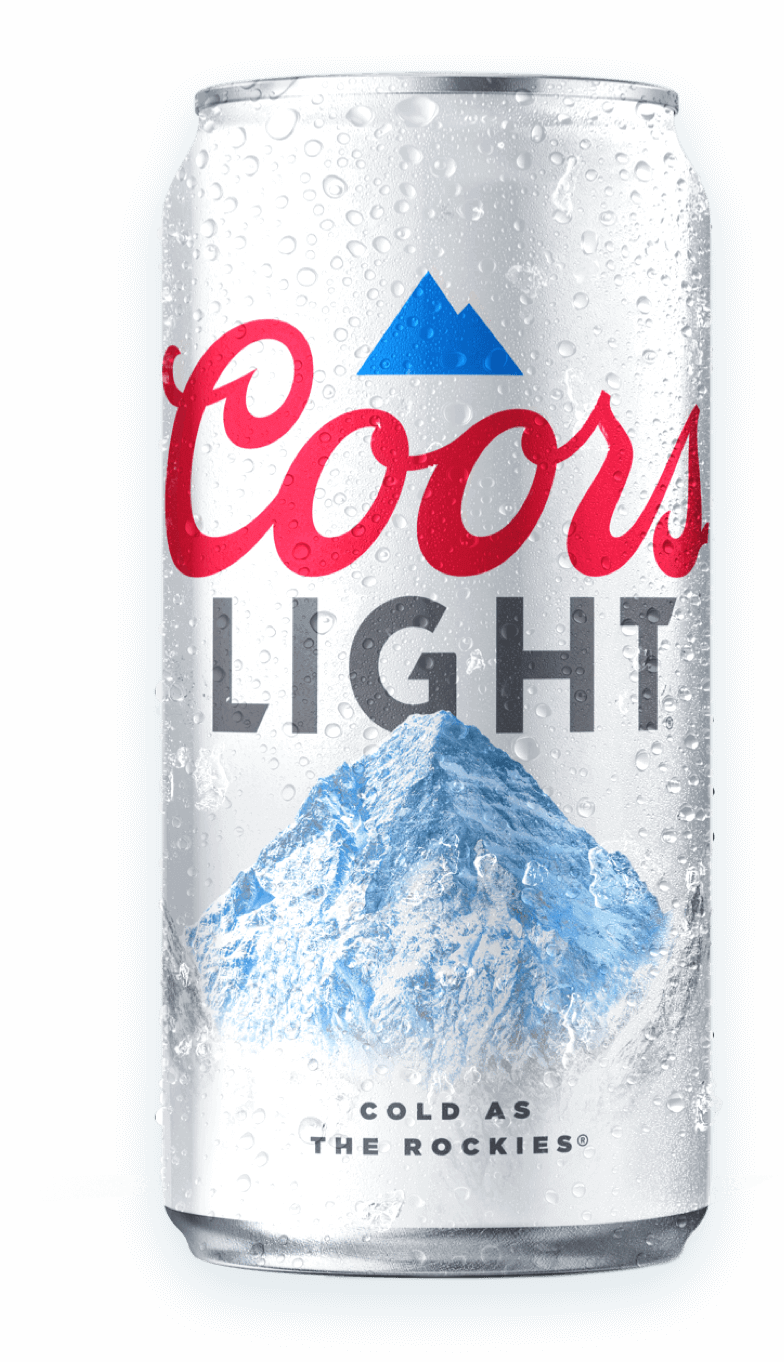
Coors Light earns its name, often perceived as a lighter alternative. A 12-ounce serving boasts approximately 102 calories, a notable decrease compared to Budweiser. This reduction stems primarily from a carefully crafted brewing process intended to minimize carbohydrate content. The carbohydrate count typically falls around 5-6 grams. While its ABV remains roughly equivalent to Budweiser at around 4.2%, the lower carbohydrate footprint translates to fewer calories. However, perceive it not simply as ‘low-calorie’ but as strategically formulated to be less carb-intensive, which subtly alters its gustatory characteristics – a sacrifice some perceive for the reduced caloric impact.
Miller Lite: Navigating the Subtleties of Reduced Calories
Miller Lite, another contender in the “light” beer category, occupies a similar nutritional space as Coors Light. A 12-ounce serving delivers approximately 96 calories, with a carbohydrate count typically around 3.2 grams. The manufacturer’s deliberate efforts to minimize carbohydrate content are readily apparent in these numbers. Its ABV stands at 4.2%, making it comparable to Coors Light. The diminished carbohydrate load often results in a perceived less full-bodied flavor, a potential trade-off for those prioritizing caloric reduction. Consider that even minor deviations in ingredients or brewing methodology can skew these numbers, emphasizing the importance of consulting the nutritional information panel on the packaging itself.
Beyond the Big Three: Calories in Other Popular Game-Day Beers
The beer landscape extends far beyond Budweiser, Coors Light, and Miller Lite. Heavier styles, such as IPAs (India Pale Ales) often pack significantly more calories. A 12-ounce IPA can easily range from 150 to 250 calories or even more, depending on the specific brewing recipe and malt profile. Stouts and porters, known for their dark, rich flavors, also tend to be higher in calories, frequently surpassing 200 calories per 12-ounce serving. Lagers, generally lighter in style, mirror the caloric values of Budweiser; while wheat beers, like Blue Moon, often present around 150-180 calories due to additional ingredients like orange peel and coriander. To be prudent, a thorough review of the nutritional facts is paramount before selection.
The Impact of Alcohol Content (ABV) on Caloric Density
Alcohol itself contributes to the caloric burden of beer, albeit less substantially than carbohydrates. Alcohol provides approximately 7 calories per gram. While the percentage of alcohol doesn’t directly translate linearly to overall calories, it is a significant factor. Beers with higher ABVs will possess a slightly greater caloric density. This subtle difference can accumulate considerably over multiple servings. Furthermore, alcohol can impact metabolic processes, influencing how the body handles calories consumed from other sources – a complex interplay impacting long-term health perceptions.
Beyond Pure Calories: Other Nutritional Factors
While calories often dominate conversations surrounding beer consumption, focusing solely on this metric neglects other nutritional complexities. Beer, despite generally being low in vitamins and minerals, does contain trace amounts of nutrients like B vitamins and magnesium. However, the quantities are rarely substantial enough to contribute meaningfully to daily nutritional needs. Moreover, the diuretic effect of alcohol can lead to dehydration, a crucial factor to consider alongside caloric intake, especially during prolonged exposure to heat as often occurs at sporting events.
Strategies for Mindful Beer Consumption at the Game
Enjoying a beer at the game doesn’t necessitate foregoing mindful choices. Opting for lighter beers like Coors Light or Miller Lite can facilitate calorie management. Prioritizing hydration by alternating beer consumption with water is also vital. Being cognizant of portion sizes – considering smaller serving sizes or sharing a larger beer – can significantly curtail calorie accumulation. Ultimately, moderation and informed decision-making are integral to balancing enjoyment with health considerations. Perhaps the greatest challenge isn’t limiting beer altogether, but achieving a symbiotic relationship between recreation and well-being.