In the grand tapestry of Major League Baseball, where athleticism and artistry collide, few players embody the quintessential five-tool archetype as vividly as Jazz Chisholm Jr. The Miami Marlins’ dynamic outfielder isn’t just a performer on the diamond—he’s a spectacle, a fusion of raw power, blistering speed, and defensive panache that leaves fans and analysts alike in awe. Yet, beyond the highlight-reel catches and tape-measure home runs lies a deeper fascination: the way Chisholm’s game transcends conventional metrics, challenging our understanding of what it means to be a modern baseball prodigy.
The Quintessential Five-Tool Prodigy: A Rare Blend of Talent
To label Jazz Chisholm Jr. as a five-tool player is to undersell the sheer audacity of his skill set. In baseball parlance, the “five tools”—hitting for average, hitting for power, running speed, arm strength, and fielding ability—are the holy grail of player evaluation. Chisholm doesn’t just possess these tools; he wields them with a flair that borders on the theatrical. His left-handed swing generates exit velocities that rival the hardest-hit balls in the league, while his 30-plus stolen bases per season underscore a base-running acumen that borders on reckless brilliance. Defensively, his cannon arm and acrobatic outfield plays have turned him into a human highlight reel, a player whose mere presence in center field demands attention.
What sets Chisholm apart, however, is the synergy between these tools. It’s not just that he can do everything; it’s that he does everything with a swagger that feels almost anachronistic in an era dominated by analytics and positional rigidity. His game is a throwback to the golden age of two-way players, a reminder that baseball’s soul still thrives in the unpredictable dance between power and finesse.
The Art of the Unpredictable: Why Chisholm Defies Conventional Wisdom
Baseball is a game of patterns, of pitchers exploiting hitters’ tendencies and defenses shifting to neutralize offensive strengths. Jazz Chisholm Jr. is the antithesis of predictability. His approach at the plate is a masterclass in controlled chaos—he’ll turn on a 98-mph fastball for a 450-foot home run one pitch, then lay down a perfect bunt for a single the next. This unpredictability isn’t just entertaining; it’s a strategic nightmare for opposing pitchers, who are forced to second-guess every pitch selection in an attempt to keep him off balance.
Yet, this unpredictability isn’t born out of recklessness. Chisholm’s plate discipline, though not flawless, is a study in adaptability. He’ll work deep counts to draw walks, then ambush a pitcher with a first-pitch fastball when the situation demands aggression. His ability to toggle between these extremes on a pitch-by-pitch basis is a testament to his baseball IQ, a quality that often goes unnoticed in discussions about his raw talent. In an era where players are increasingly pigeonholed into rigid roles—contact hitters, power bats, defensive specialists—Chisholm’s versatility is a breath of fresh air.
The Defensive Dynamo: A Center Fielder Who Plays by His Own Rules
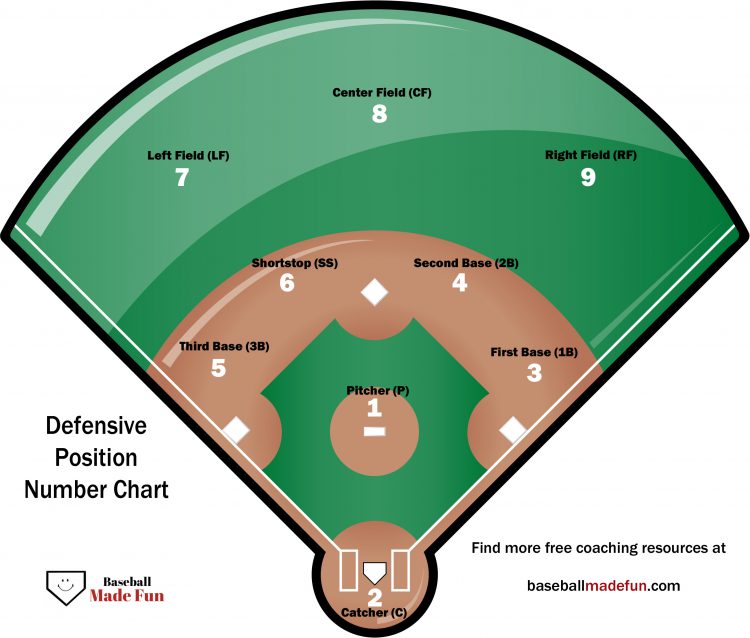
Defensively, Jazz Chisholm Jr. is a force of nature. His range in center field is otherworldly, a combination of elite speed and an uncanny ability to read the trajectory of fly balls before they’re fully airborne. What’s most impressive, however, is his arm. In an era where outfield arms are often measured in terms of “good enough,” Chisholm’s throws—whether from the warning track or the deepest parts of the outfield—arrive at their targets with a velocity that belies his compact frame. There’s a kinetic efficiency to his throws, a whip-like motion that generates surprising power without sacrificing accuracy.
But it’s not just his physical tools that make him a defensive standout. It’s his instincts. Chisholm plays with a fearlessness that borders on audacity, diving for catches that lesser outfielders would let drop, leaping over walls to rob hitters of extra-base hits, and turning routine fly balls into double plays with his lightning-quick transfers. His defensive metrics—both traditional and advanced—paint a picture of a player who doesn’t just meet the standards of elite center fielders; he redefines them.
The Mental Game: The Often-Overlooked X-Factor
While Chisholm’s physical gifts are undeniable, it’s his mental approach to the game that truly sets him apart. Baseball is as much a mental challenge as it is a physical one, and Chisholm’s ability to thrive under pressure is a testament to his composure. Whether he’s facing a 3-2 count with the bases loaded in the ninth inning or making a game-saving catch in the outfield, he exudes a calm confidence that masks the high-stakes tension of the moment.
This mental fortitude is evident in his interactions with teammates and opponents alike. Chisholm’s swagger isn’t performative; it’s a reflection of his belief in his own abilities. He plays with a joy that’s infectious, a reminder that baseball, at its core, is a game meant to be enjoyed. Yet, beneath the surface-level bravado lies a work ethic that’s equally impressive. His dedication to refining his craft—whether it’s improving his plate discipline, honing his defensive reads, or studying pitchers’ tendencies—is a testament to his commitment to excellence.
The Fan Experience: Why Chisholm is a Magnetic Presence
There’s something undeniably magnetic about Jazz Chisholm Jr. On the field, he’s a showman, a player who turns every at-bat and every defensive play into a must-watch spectacle. His celebrations—whether it’s a bat flip after a home run or a chest bump with a teammate after a game-saving catch—are a reminder that baseball is entertainment, a form of theater where the players are the stars and the fans are the audience.
Off the field, Chisholm’s charisma extends beyond the diamond. His interactions with fans, his willingness to engage with the media, and his genuine passion for the game make him a fan favorite. In an era where players are often criticized for being distant or aloof, Chisholm’s accessibility is a breath of fresh air. He understands that baseball isn’t just about the numbers; it’s about the connection between the players and the fans, the shared joy of a well-executed play or a clutch hit.
The Future: What Lies Ahead for the Marlins’ Enigmatic Star
As Jazz Chisholm Jr. continues to evolve as a player, the question on everyone’s mind is: How far can he go? The potential is undeniable. With his blend of power, speed, and defensive prowess, he has the tools to become a perennial All-Star, a cornerstone of the Marlins’ franchise, and perhaps even a MVP candidate. Yet, the path forward isn’t without challenges. Injuries, the natural ebb and flow of a player’s career, and the ever-present pressure of expectations are all factors that could shape his trajectory.
What’s certain, however, is that Chisholm’s journey will be one worth watching. Whether he’s dazzling fans with a 450-foot home run, robbing a hitter of an extra-base hit with a diving catch, or turning a routine double play with a lightning-quick transfer, he’s a player who reminds us why we fell in love with baseball in the first place. In a sport that’s increasingly defined by numbers and analytics, Jazz Chisholm Jr. is a reminder that baseball is, at its heart, a game of artistry, of unpredictability, and of sheer, unbridled joy.