The thrill of a live event – a pulsating concert, a nail-biting championship game – is often intrinsically linked to the vantage point from which we experience it. However, the prevailing wisdom suggests that securing prime real estate within a stadium necessitates a king’s ransom. What if that wasn’t necessarily true? This article delves into the often-overlooked stratagems for securing a phenomenal view without succumbing to the pressures of premium pricing, offering a nuanced perspective on stadium seating and revealing secrets to elevate your experience.
Understanding the Nuances of Stadium Seating Zones
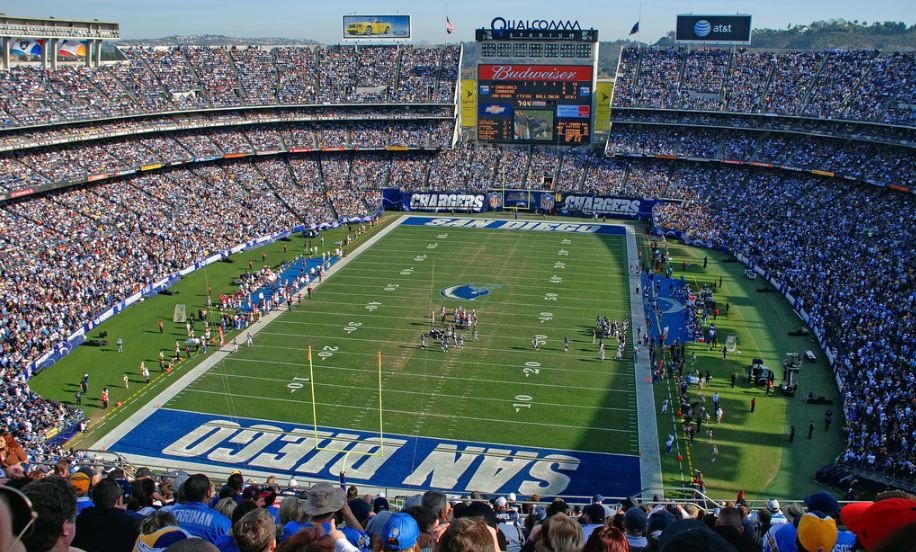
Stadiums are complex ecosystems of seating, stratified into a hierarchy of zones, each characterized by its price point and perceived proximity to the action. The ubiquitous ‘premium’ seating, frequently located near the pitch or stage, commands the highest prices due to their perceived exclusivity and unobstructed views. Subsequently, there’s the ‘lower bowl,’ generally considered the most desirable area for many fans. Above sits the ‘upper bowl,’ typically offering a wider panoramic view but potentially sacrificing intimacy with the performance. Finally, the often-misunderstood ‘club’ or ‘suite’ sections represent a rarefied level of access. Comprehending these distinctions, and the factors driving their respective valuations, provides a crucial foundation for strategic seating selection.
The Illusion of “Obstructed” Views: A Re-evaluation
The term “obstructed” view often carries a negative connotation, instantly devaluing a seat. However, a deeper examination frequently reveals that the perceived obstruction is often far less detrimental than predicted. Pillars, scoreboards, or railings may be listed as obstructing a portion of the view, but this doesn’t equate to a wholly compromised experience. An astute assessment is important: a minor obstruction on the periphery may be barely perceptible during the dynamic flow of a performance—especially when immersed in the collective energy of the crowd. Furthermore, some stadiums list a multitude of seats as having obstructions to ensure they don’t have dissatisfied patrons, creating a wider margin than actually exists.
Leveraging the Geometry of the Venue: Peripheral Perks
Stadiums, like any architectural structure, possess inherent geometries that impact sightlines. Some sections, situated along the edges of the bowl, offer unique vantages that aren’t immediately apparent. For instance, a seat slightly off-center can sometimes provide a clearer view of the entire stage or field, escaping the visual clutter created by directly head-on perspectives. Likewise, seats in the corners, although they may involve a slightly skewed angle, can provide a sense of spaciousness and a panoramic perspective unavailable elsewhere. The challenge lies in researching the stadium’s layout beyond the standard seating charts – often, these nuanced perspectives aren’t explicitly documented.
The Importance of Elevation: Embracing the Panoramic Perspective
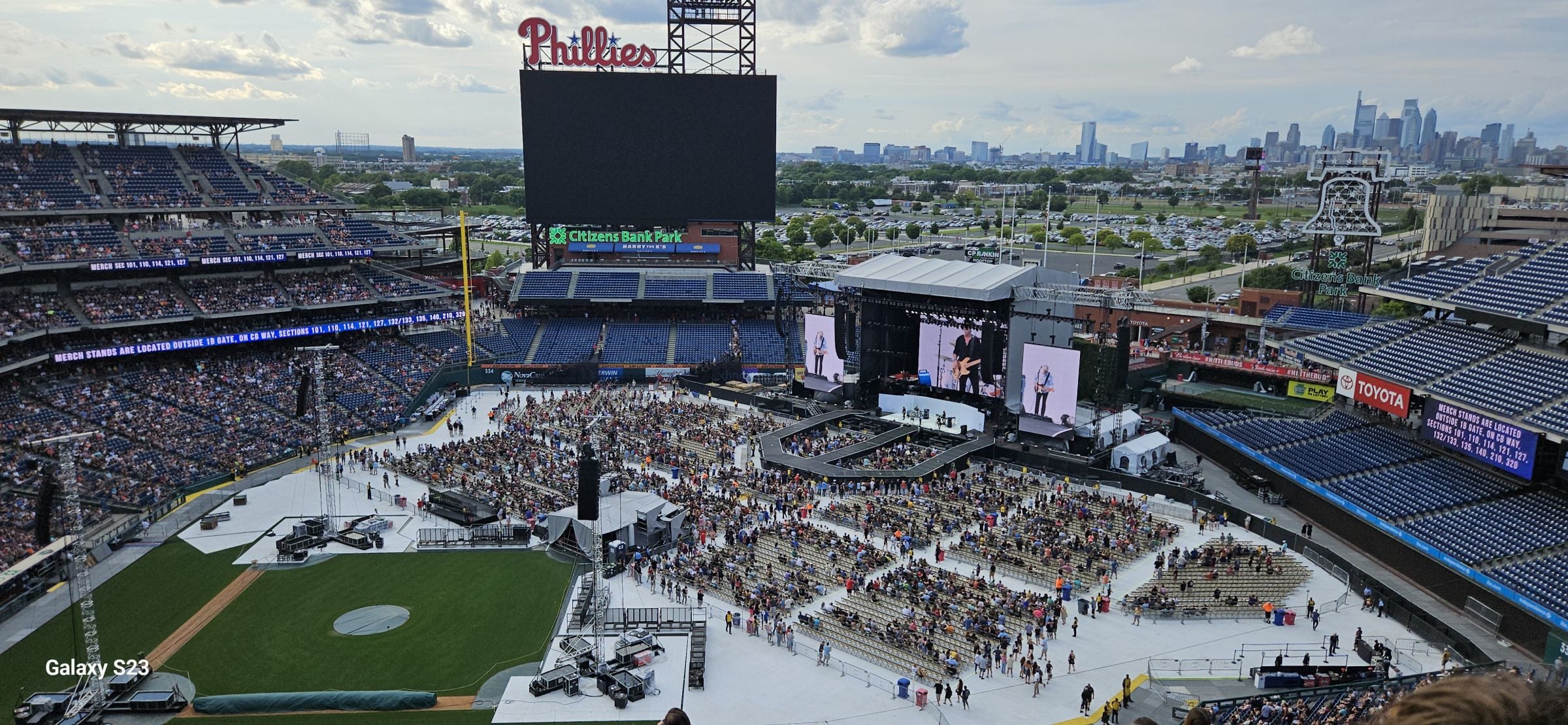
While the lower bowl is often championed for its perceived intimacy, a slightly elevated position within the upper bowl can offer a distinctly advantageous perspective. From a higher vantage point, the entire spectacle unfolds, offering a better appreciation of the overall stage design, the movement of performers, or the strategic formations of athletes. Consider attending events featuring elaborate staging – a higher perspective allows a holistic view of the theatrics unfolding before you. It’s a shift in perspective, trading immediate proximity for a captivating overview.
Knowing Your Event: Tailoring Your Seating Strategy
The optimal seating strategy is not universal; it’s contingent upon the event itself. A swift-paced sport like basketball demands a seating position that provides a sense of immediacy and close-quarters action – the lower bowl is likely the optimal choice. Conversely, a lengthy concert with elaborate lighting and stage production may be more gratifying from higher elevations, where one can observe the intricate details and expansive visuals. Understanding this symbiotic relationship between the event and the seating is paramount for optimizing your experience.
Decoding the Seating Charts: Beyond the Numerical Labels
Seating charts are frequently presented with opaque numerical designations that offer little insight into the actual view. However, astute observation and diligent research can unravel this enigma. Many online resources offer user-submitted photos and reviews of specific seats, allowing prospective attendees to virtually experience the vantage point before committing to a purchase. These crowdsourced perspectives often provide a far more accurate representation than static diagrams. Furthermore, understanding the numbering convention — typically denoting row and seat number — helps to anticipate the overall positioning within the section.
The Power of Timing: Securing Deals Through Dynamic Pricing
The relentless march of dynamic pricing algorithms often drives up the cost of tickets. However, keen observation of these fluctuations can reveal opportunities for considerable savings. Prices are most volatile in the immediate aftermath of the initial ticket release and closer to the event date, particularly if demand is lower than anticipated. Conversely, prices sometimes decline as event day approaches, allowing for opportunistic purchases. Patience and a vigilant digital footprint can yield substantial discounts.
Leveraging Resale Markets: A Calculated Risk
Resale platforms offer a seemingly endless supply of tickets, but navigate them with caution. While the potential for securing a deal exists, the fluctuating nature of these markets demands a discerning eye. Prices often fluctuate drastically based on demand, so compare multiple platforms to pinpoint the optimal value. Always verify the seller’s reputation and thoroughly scrutinize the ticket details to avoid fraudulent listings. Be aware that the lowest listed prices can sometimes include substantial fees.
The Crowd Factor: An Overlooked Variable
The dynamics of the crowd—the height of those seated in front, the propensity for standing, the general boisterousness—can significantly impact visibility. Selecting seats with a degree of separation from potentially obstructive patrons can be advantageous. Rows further back often afford a greater buffer zone against the intrusions of enthusiastic onlookers—a simple consideration that can dramatically enhance the viewing experience. This intangible element is frequently omitted from the simplistic analysis of seating charts.
Embracing the Unexpected: The Value of Serendipity
Sometimes, the most rewarding experiences are those encountered when venturing off the beaten path. Don’t be afraid to explore less conventional seating sections. The thrill of discovery—unearthing a hidden vantage point that provides a truly unique perspective—can transform a standard event into a memorable one. It’s a testament to the enduring power of curiosity and the willingness to challenge conventional wisdom.