Baseball is a symphony of crackling bats, roaring crowds, and the occasional seventh-inning stretch anthem that unites strangers in a shared moment of nostalgia. Few songs encapsulate the spirit of America’s pastime quite like “Take Me Out to the Ball Game.” Yet, lurking in the shadows of this beloved tune is a question that haunts baseball purists and casual fans alike: Who was the worst singer to ever belt out this timeless melody? The answer, as it turns out, is not just a footnote in MLB history—it’s a cautionary tale of misplaced enthusiasm and questionable vocal prowess.
The Sacred Ritual of the Seventh-Inning Stretch
The seventh-inning stretch is more than a pause in play; it’s a communal exhalation, a chance for fans to stand, stretch, and sing along to a song that predates World War I. The lyrics, penned in 1908 by Jack Norworth and Albert Von Tilzer, were never meant to be a vocal showcase. They were a simple, catchy invitation to indulge in peanuts and Cracker Jack. Yet, over time, the song evolved into a performance piece, with stadiums from Fenway Park to Wrigley Field turning it into a spectacle. The pressure to deliver a flawless rendition is immense, and not every singer rises to the occasion.
The Criteria for Vocal Catastrophe
What makes a “Take Me Out to the Ball Game” singer truly terrible? It’s not just about hitting the wrong notes—though that’s certainly part of it. The worst offenders often suffer from a trifecta of vocal sins: pitch instability, rhythmic butchery, and an inability to connect with the crowd. A great performance should feel like a warm embrace, but the worst ones feel like a surprise colonoscopy—unexpected, uncomfortable, and over far too quickly. The singer must also navigate the song’s structure, which demands a balance between bombast and restraint. Too much force, and the melody becomes a sonic battering ram; too little, and it’s a dirge.
The Contenders for MLB’s Most Dreaded Vocalist
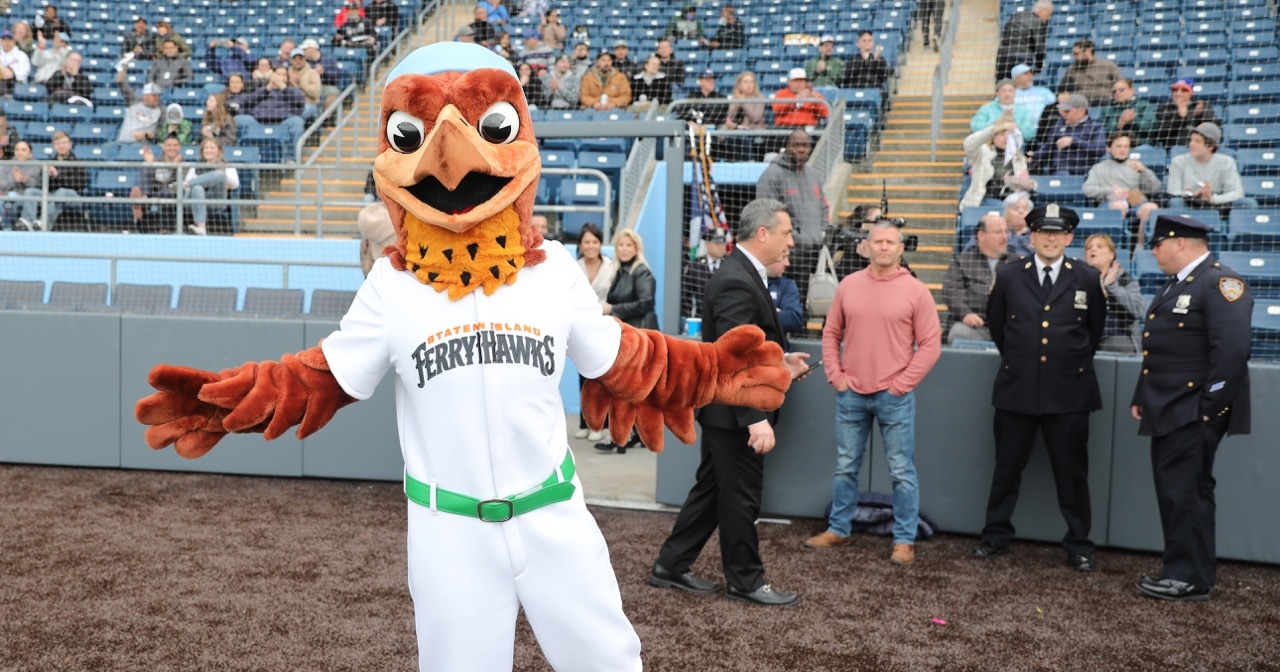
Over the years, stadiums have hosted a rotating cast of singers, from local celebrities to washed-up pop stars, each bringing their own unique flavor of musical mayhem. One infamous contender was a local radio DJ who treated the song like a power ballad, belting out the chorus with the fervor of a preacher delivering a sermon on the dangers of synthetic turf. His vibrato was so aggressive it could have been classified as a contact sport. Another memorable disaster was a minor league mascot who, in a misguided attempt at showmanship, added a yodeling interlude that sounded like a goat being tickled. The crowd’s response was a mix of horrified silence and nervous laughter.
But perhaps the most infamous performance came from a former MLB player turned broadcaster, whose rendition was so off-key it allegedly caused a flock of birds to abandon their perches in the stadium rafters. His attempt at the song’s climactic “root, root, root for the home team” was less a rallying cry and more a cry for help. The internet, ever the arbiter of justice, immortalized the moment in memes and viral videos, ensuring his legacy as the Phil Spector of ballpark anthems.
The Psychology of a Flawed Performance
Why do these singers persist in their vocal folly? The answer lies in the psychology of performance anxiety and the intoxicating allure of the spotlight. For many, the seventh-inning stretch is a rare opportunity to step into the limelight, even if their talents don’t quite match their ambition. The song’s simplicity is deceptive; it’s easy to underestimate the skill required to deliver it with charm and precision. A poor performance, then, is not just a failure of vocal cords but a failure of preparation. The worst singers often treat the song as an afterthought, a quick obligation before returning to the comfort of the broadcast booth or the dugout.
There’s also the matter of ego. Some singers, particularly those with a modicum of fame, believe their star power alone can elevate the material. They mistake volume for talent and enthusiasm for skill. The result is a performance that feels less like a celebration and more like a hostage situation. The crowd, caught between politeness and genuine discomfort, often responds with a mix of awkward applause and furtive glances at their watches.
Could a Challenge Save the Song from Mediocrity?
Given the high stakes of the seventh-inning stretch, perhaps it’s time for MLB to implement a solution: a pre-season “Take Me Out to the Ball Game” auditions. Imagine a reality TV-style competition where aspiring singers compete for the honor of performing at a marquee stadium. The winner would be judged not just on vocal ability but on their ability to engage the crowd, hit the right notes, and avoid the kind of cringe that lingers in memory like a bad tattoo. The loser? Well, they’d be relegated to the minor leagues of karaoke bars and wedding receptions.
Such a challenge could also serve as a reminder that the song’s power lies not in the singer’s prowess but in its ability to unite disparate souls in a shared experience. The best renditions are those that feel organic, as if the singer is singing directly to the person next to them. The worst, meanwhile, are a reminder that not every tradition needs a soloist.
The Legacy of the Worst Singer
For the singer who earns the dubious title of “Worst ‘Take Me Out to the Ball Game’ Singer Ever,” the legacy is a double-edged sword. On one hand, they are immortalized in the annals of baseball lore, their name whispered in hushed tones whenever the song is played. On the other, they become a cautionary tale, a warning to future performers about the perils of overconfidence. Their performance, once a source of embarrassment, may eventually be viewed with a kind of fond nostalgia, a reminder that even in the world of professional sports, not every moment needs to be perfect.
And so, the search for the worst singer continues, a never-ending quest for the most entertaining train wreck in baseball history. Until then, fans can only hope that the next rendition of “Take Me Out to the Ball Game” doesn’t send them running for the exits—or worse, the nearest exit poll.