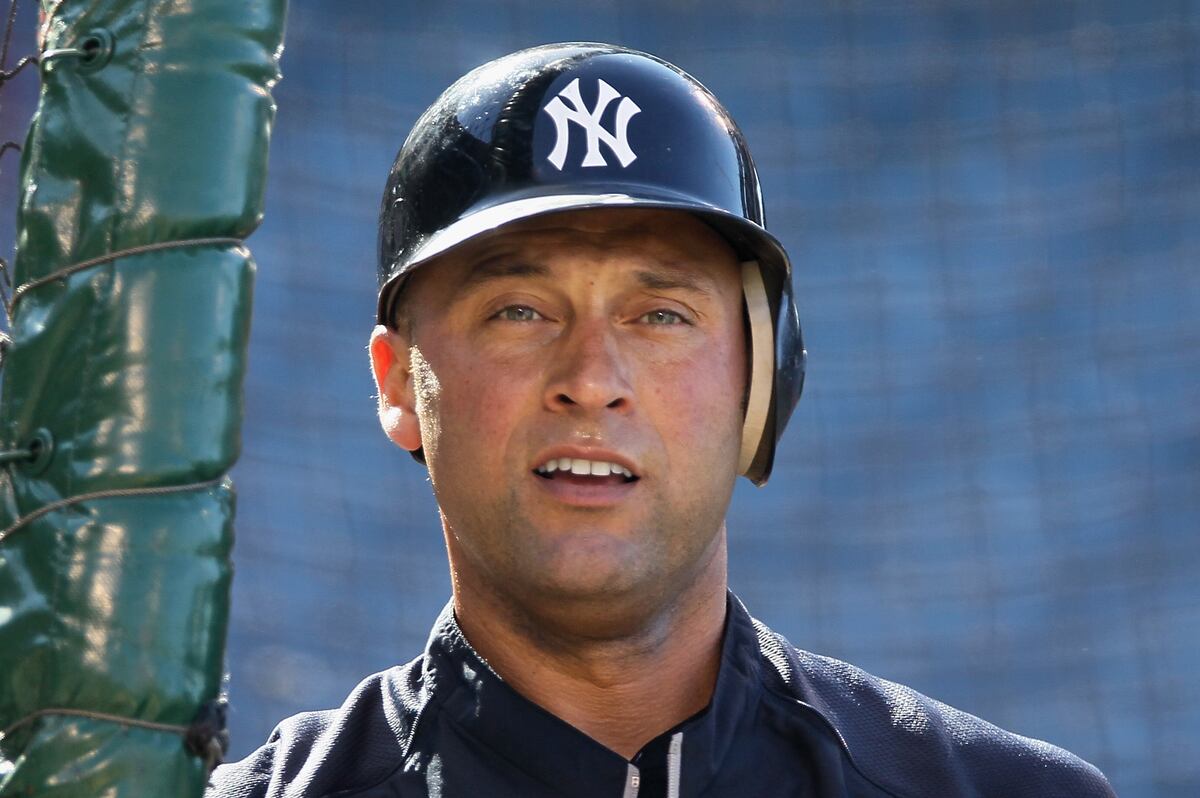
Few players in recent New York Yankees history captured the collective imagination and sparked as much debate as Joba Chamberlain. His arrival in the Bronx was a whirlwind of anticipation, electric performances, and an organizational conundrum that unfolded under the intense glare of the world’s most famous sports franchise. What began as a meteoric rise quickly evolved into a complex narrative, forever etched in the annals of Yankees lore. Examining “Joba’s Night”—not just a single game, but the entire phenomenon of his early career—reveals a fascinating confluence of talent, ambition, and the unique pressures of pinstripes, offering a deeper understanding of why his story resonated so profoundly with fans and analysts alike.
1. The Unprecedented Hype Machine
Joba Chamberlain wasn’t just another prospect; he was a phenomenon. Drafted 41st overall in 2006, his rapid ascent through the minor leagues was unprecedented for a Yankees pitching prospect, fueled by triple-digit velocity and a slider that buckled knees. Fans, starved for homegrown pitching talent, latched onto every highlight, every scouting report, building a level of expectation that dwarfed almost any other non-position player in recent memory. This anticipation wasn’t just hope; it was a desperate craving for a dominant, homegrown ace, and Joba appeared to be the answer.
2. The Immediate Impact of His Debut
When Joba finally made his major league debut on August 7, 2007, against the Toronto Blue Jays, the atmosphere was electric. He entered in the eighth inning, pitching 2/3 of a scoreless frame, showcasing his powerful fastball. This wasn’t just a debut; it was an event, signaling the arrival of a pitcher who looked every bit like the dominant force promised by the hype. His initial appearances, filled with strikeouts and intimidating velocity, cemented the belief that a star was born, and the Yankees had found their next bullpen monster.
3. The Genesis of the “Joba Rules”
Perhaps no single aspect of Joba’s career sparked more debate than the infamous “Joba Rules.” Concerned about protecting his young arm and preserving his future as a starter, the Yankees implemented strict innings and pitch count limits. This groundbreaking, some would say overprotective, management strategy became a constant talking point, drawing ire from traditionalists and sparking endless discussions about player development and injury prevention in modern baseball. It made every Joba outing a tightly monitored affair, adding a layer of tension to his performances.
4. The Reliever-to-Starter Experiment
The Yankees’ stated intention for Joba was always to transition him to the starting rotation. After his dominant relief work, the 2008 and 2009 seasons saw him primarily in a starter’s role. This shift, a fundamental change from his initial success, was met with mixed results. While he showed flashes of brilliance, the sustained effectiveness and durability required of a starter proved elusive, especially under the pressure of the “Joba Rules” and the ever-present media scrutiny. This back-and-forth between roles created a sense of instability around his career trajectory.
5. The Fastball: A Weapon and a Worry
Joba’s signature pitch was his blazing fastball, consistently sitting in the upper 90s and often touching 100 mph. It was a true power pitch, a marvel to behold when it hit its spot. Yet, the reliance on such high velocity also fueled concerns about the stress on his arm. Fans marveled at its raw power, but also worried about its sustainability, understanding that such heat often came with an expiration date, adding a layer of fragility to the excitement of every triple-digit reading on the scoreboard.
6. The Development of the Secondary Offerings
For all the fastball’s glory, a starter needs more. Joba’s development, or lack thereof, of consistent secondary pitches like his slider and curveball became a focal point. While his slider could be devastating, its consistency varied, particularly as a starter. The struggle to round out his arsenal highlighted the challenge of transitioning from a two-pitch reliever to a multi-pitch starter, demonstrating that raw power alone isn’t always enough to dominate across multiple innings.
7. His Unmistakable Mound Presence
Joba wasn’t just a pitcher; he was an entertainer. His intensity on the mound was palpable, often punctuated by fist pumps, glares, and an undeniable competitive fire. This emotional display, while sometimes leading to altercations, endeared him to Yankees fans who appreciated his visible passion for the game. His presence was a spectacle, an integral part of the “Joba’s Night” experience that went beyond mere statistics, embodying the high-stakes drama of New York baseball.
8. The Collision with Kevin Youkilis
The rivalry between the Yankees and Red Sox found another flashpoint in Joba’s career, most notably in a memorable incident involving Kevin Youkilis. After a high fastball from Joba, Youkilis took exception, leading to a bench-clearing stare-down that perfectly encapsulated the animosity between the two clubs. These heated moments, particularly in his early career, solidified Joba’s image as a fiery competitor who wasn’t afraid to stand his ground against the Yankees’ bitter rivals.
9. The Perceived “Over-Thinking” by Management
A persistent critique throughout Joba’s tenure was the perception that the Yankees front office and coaching staff over-thought his development. The “Joba Rules,” the constant switching between roles, and the careful monitoring of his every move often led to accusations that they were stifling his natural talent or confusing his path. This organizational approach became a case study in modern player management, hinting at deeper philosophical divides within baseball about how to handle elite pitching prospects.
10. The Injury Woes Begin
Despite the Yankees’ best efforts to protect his arm, injuries eventually became a significant part of Joba’s story. From shoulder issues to an ankle injury sustained while trampolining with his son, a series of physical setbacks plagued his career. These injuries, particularly after such meticulous management, raised questions about whether any amount of caution could truly prevent a power pitcher from succumbing to the sport’s inherent physical toll, adding a tragic inevitability to his arc.
11. The Mental Toll and Growing Frustration
The constant scrutiny, the pressure of expectations, the role changes, and the injuries inevitably took a mental toll. Joba’s frustration, both with himself and his circumstances, became evident at times. The burden of being “the next big thing” in New York, coupled with the organizational indecision surrounding his role, highlighted the immense psychological demands placed on young athletes in the spotlight, hinting at the unseen struggles beneath the surface of professional sports.
12. The Evolution of Pitcher Usage Discussion
Joba’s career, particularly the “Joba Rules” and the subsequent injury struggles, inadvertently contributed to a larger discussion about pitcher usage and development across MLB. His experience served as a cautionary tale for some, and a validation for others, regarding the delicate balance between maximizing a pitcher’s immediate impact and preserving their long-term health. His story became a touchstone in the ongoing debate about the modern pitcher’s workload.
13. The Bullpen Return and Brief Resurgence
After the starting experiment concluded, Joba returned to the bullpen, where he found periods of renewed effectiveness. While he never quite recaptured the otherworldly dominance of his 2007 debut, he remained a valuable setup man for several more seasons. These brief resurgences offered glimpses of his former self, teasing fans with the potential that always seemed just out of reach, underscoring the tantalizing nature of his talent.
14. The “What If” Factor
For many Yankees fans, Joba Chamberlain’s career is defined by a persistent “what if.” What if he had stayed in the bullpen from the start? What if the “Joba Rules” had never existed? What if he had consistently developed a third pitch? These questions, born from a desire to see such immense talent fully realized, highlight the deeply emotional connection fans form with their players and the inherent human tendency to search for alternative paths to glory.
15. His Enduring Yankees Legacy
Despite the rollercoaster nature of his career, Joba Chamberlain holds a unique place in Yankees history. He was a homegrown talent who burst onto the scene with electrifying velocity and an undeniable swagger, embodying the fierce competitive spirit of the Bronx. His journey, with all its highs and lows, controversies and triumphs, serves as a vivid reminder of the immense pressure, intricate management, and unpredictable nature of pursuing greatness in the glare of Major League Baseball.