The crack of the bat, the roar of the crowd, the clinking of beer bottles – these are the quintessential sounds of a summer evening spent at a baseball game. We celebrate the athleticism, admire the strategy, and relish the communal atmosphere. Yet, lingering just beneath the surface of this cherished ritual lies a largely unacknowledged element: the considerable caloric intake accompanying the experience. This isn’t merely a matter of indulgence; it speaks to a deeper connection, a cultural symbiosis, and a fascinating narrative around American leisure and consumption that deserves a closer examination.
The Ubiquitous Pairing: A Historical Perspective
The confluence of baseball and beer isn’t a recent phenomenon. Tracing back to the late 19th century, beer rapidly became intertwined with the burgeoning professional baseball leagues. Saloons, already social hubs, naturally became gathering places for fans eager to witness the games. Brewers, recognizing baseball’s burgeoning popularity, seized upon the opportunity to connect their brands with the sport, leveraging the excitement and camaraderie. Early advertisements were prevalent, and the association deepened organically. This wasn’t simply about quenching thirst; it was about social lubrication – easing anxieties, celebrating successes, and fostering a sense of shared identity within the ballpark.
Beyond Refreshment: The Psychological Appeal
It’s important to observe that beer isn’t merely a beverage to baseball fans; it’s a facilitator. The anticipation leading up to a game, the uncertainty of the outcome, the inherent tension of competition – these states can heighten stress levels. Alcohol, in controlled doses, acts as a social anxiolytic, calming nerves and fostering an environment of joviality. The communal drinking reinforces this effect, as laughter and shared excitement amplify the perceived relaxation. Furthermore, the act of savoring a cold beer provides a sensory satisfaction, a micro-moment of pleasure that enhances overall enjoyment. Consider the ritualistic aspect; cracking open a beer signals the commencement of the leisure experience.
The Caloric Reality: A Detailed Look
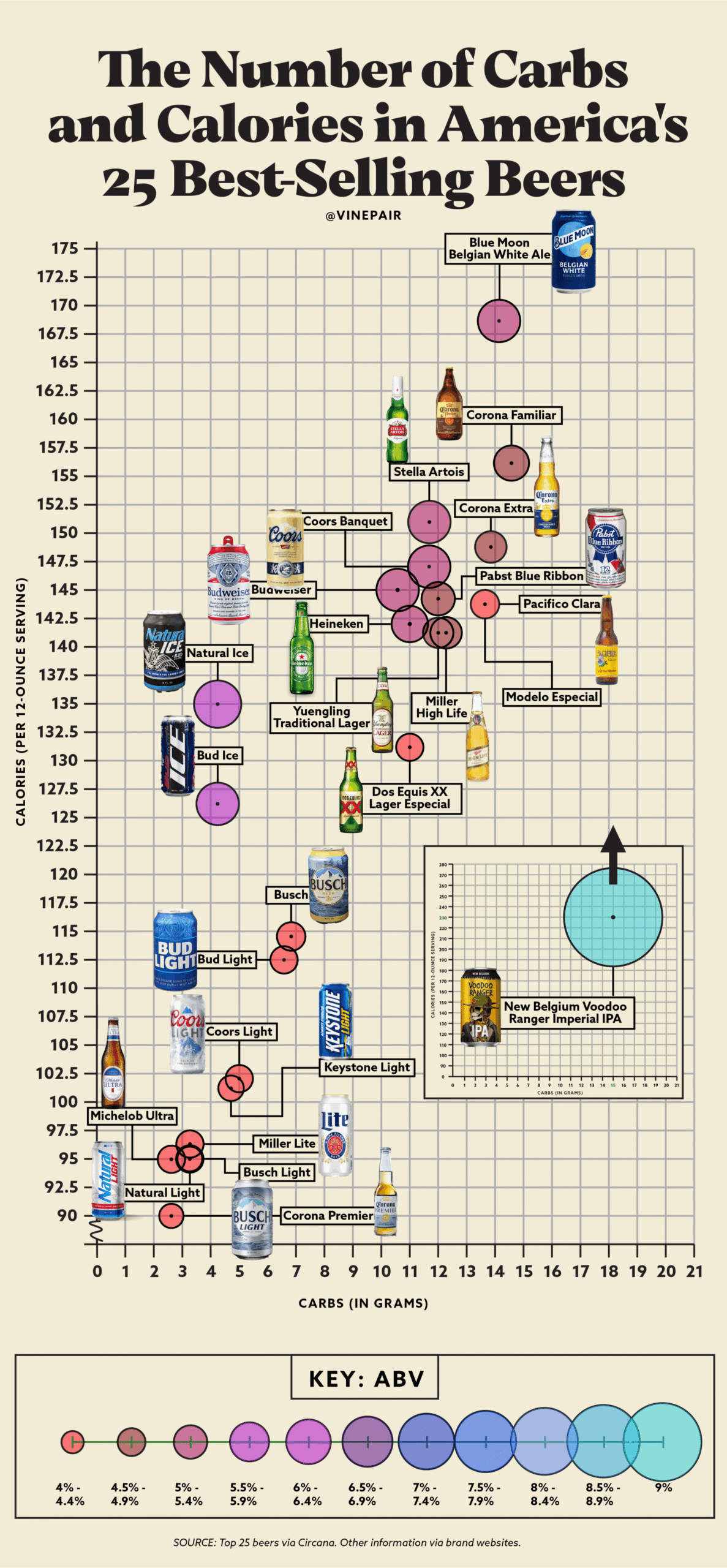
Let’s delve into the quantifiable aspect of this tradition. A standard light beer might contain around 100-120 calories. However, the variety of options available and the sheer volume consumed at games often pushes the total considerably higher. A larger, more robust brew can easily exceed 200 calories. When layering in ballpark fare—hot dogs, nachos, peanuts, caramel corn—the caloric influx escalates exponentially. We’re not talking about a negligible addition; it’s a significant expenditure of energy, often exceeding a substantial portion of a daily caloric allowance. This consumption often goes unacknowledged or rationalized with a shrug and a “It’s a special occasion.”
The Perception Paradox: Why Don’t We Discuss the Calories?
The curious aspect is the near-complete absence of discussion surrounding the caloric implications of this pairing. We are increasingly meticulous about nutritional information in other areas of our lives— scrutinizing labels on groceries, tracking fitness metrics—yet, this widespread indulgence remains largely unexamined. This cognitive dissonance could be attributed to several factors. The tradition carries significant cultural weight, making it a sacrosanct ritual, immune to rational scrutiny. Furthermore, the communal nature of the experience fosters a sense of shared permission, diminishing individual culpability. The atmosphere itself creates an environment of permission to temporarily abandon self-imposed dietary constraints.
The Economics of Ballpark Beverages
It is imprudent to ignore the economic component underlying this phenomenon. Ballparks are notorious for inflated prices, and beer is frequently among the most expensive items available. This isn’t merely about generating revenue for the team; it’s about capitalizing on the captive audience and elevated enthusiasm. The perceived expense contributes to the feeling of indulgence, justifying the caloric overconsumption. The high price communicates exclusivity and desirability; a symbol of participation in a uniquely American pastime.
Beyond the Individual: A Reflection of American Culture
The baseball-and-beer pairing provides a microcosm of broader societal trends. It reflects a national ambivalence towards indulgence and self-regulation, particularly during designated periods of leisure. It speaks to the enduring appeal of communal rituals and the power of tradition to override rational considerations. The spectacle itself—the game, the atmosphere, the shared experience—often outweighs concerns about short-term health consequences. While awareness of health and wellness is rising, the ingrained cultural significance of this pairing remains remarkably resilient.
Evolving Consumption: A Potential Shift?
Despite the entrenched nature of the tradition, shifts in consumer behavior, particularly among younger generations, may presage a gradual transformation. Increased awareness of health and wellness, alongside a growing interest in craft beverages with lower alcohol content and fewer calories, are presenting alternative options. While the iconic image of a baseball fan clutching a beer isn’t likely to disappear entirely, we may observe a diversification of choices, a more nuanced approach to ballpark consumption. The burgeoning market for non-alcoholic beers and bespoke mocktails suggests a potential for evolution, though change progresses incrementally.
The Enduring Appeal: More Than Just a Drink
Ultimately, the pairing of baseball and beer represents far more than the sum of its caloric components. It’s a carefully cultivated ritual, a cornerstone of American culture, and an emblem of summertime camaraderie. While a thoughtful analysis of the caloric reality is warranted, it shouldn’t overshadow the enduring appeal of this quintessential American experience. It’s an acknowledgement that sometimes, for a few precious hours, we’re willing to temporarily suspend our inhibitions and simply savor the moment, the game, and the shared experience.