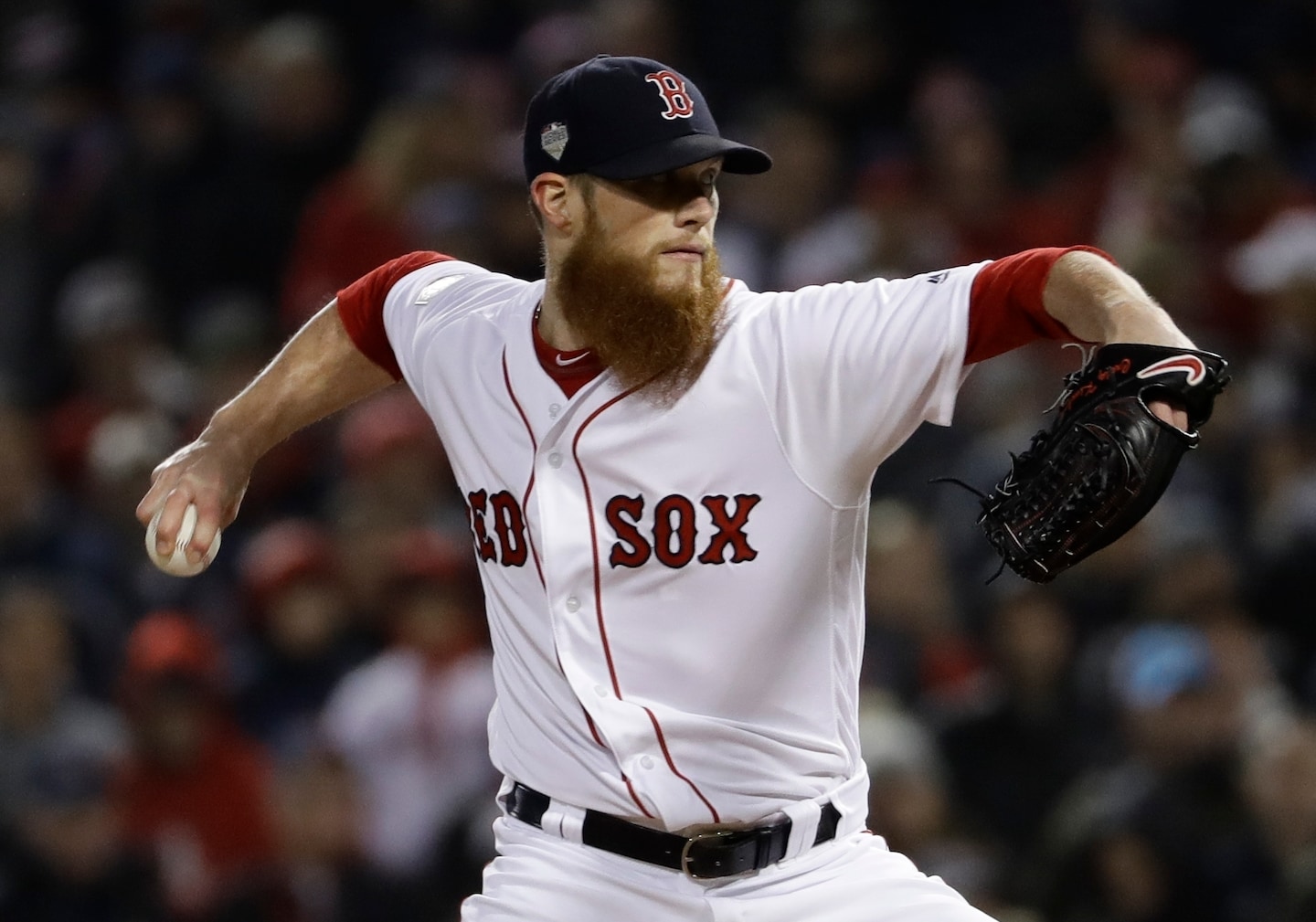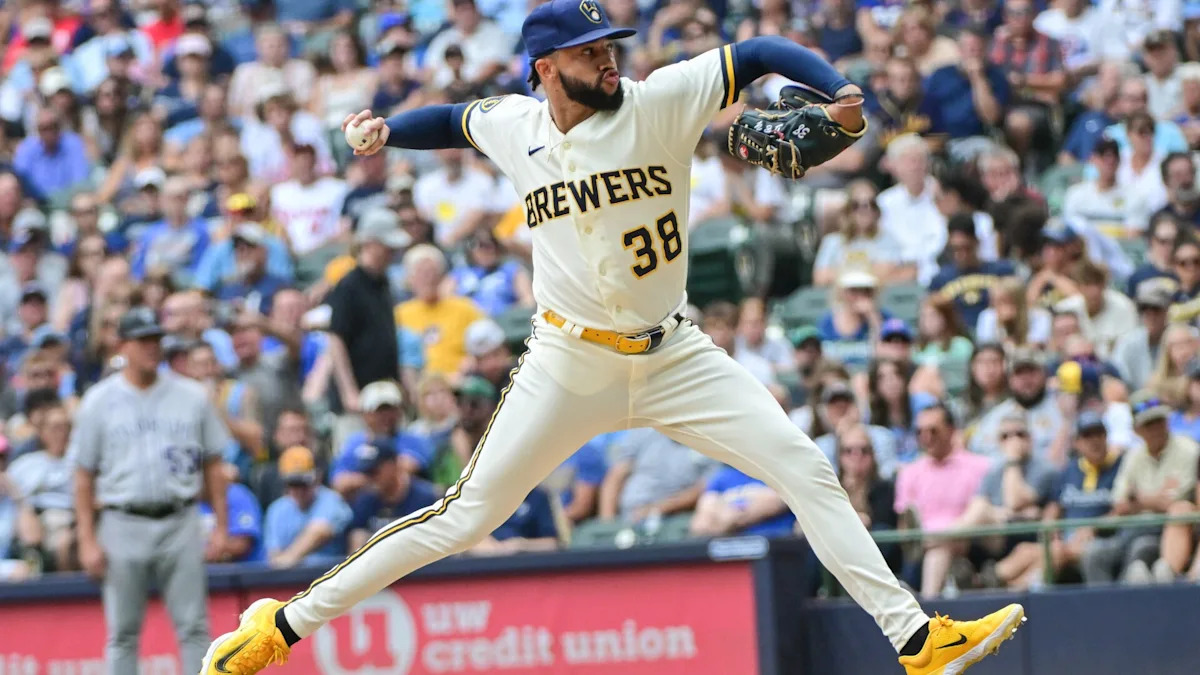
Baseball, often hailed as America’s pastime, has found itself at the center of a peculiar debate: Is the sport dying? The question isn’t just provocative—it’s a challenge to the way we perceive the game’s relevance in today’s fast-paced, digital-first world. The truth is, baseball isn’t dying. It’s evolving. And if you’ve been looking at the scoreboard of tradition without noticing the shifting dynamics of the game, you might have missed the very things that are keeping it alive. So, let’s step up to the plate and examine why the narrative of baseball’s decline is not just outdated—it’s a misread of the game’s enduring spirit.
The Myth of the Dying Game: Why Perception Lags Behind Reality
There’s a certain nostalgia that clings to baseball like the scent of fresh-cut grass on an early spring evening. It’s a sport that prides itself on its history, its rituals, its unhurried pace. But nostalgia, while comforting, is a poor lens through which to view the present. The idea that baseball is dying often stems from a comparison to the flashier, faster-paced sports that dominate headlines and social media feeds. Yet, this comparison is flawed. Baseball isn’t a sprint; it’s a marathon. And like any marathon, it thrives on endurance, strategy, and the quiet moments that build to something greater.
Consider the metrics that matter. While viewership for traditional broadcasts may fluctuate, the sport’s engagement is exploding in other arenas. Social media platforms are flooded with baseball highlights, memes, and behind-the-scenes content. The MLB’s streaming service, MLB.TV, has seen a surge in subscribers, proving that fans aren’t abandoning the game—they’re consuming it differently. The myth of decline is, in part, a failure to recognize that the way we watch sports is changing. Baseball isn’t dying; it’s adapting, and those who dismiss it as a relic are simply not paying attention to the new innings of its story.
The Globalization of Baseball: A Sport Without Borders
Baseball’s heart has always beat strongest in the United States, but its pulse is now felt around the world. The MLB’s international initiatives have turned the sport into a global phenomenon, with games played in London, Tokyo, and Mexico City. The World Baseball Classic has become a stage for national pride, drawing millions of viewers who might never tune into a regular-season game. This isn’t the behavior of a dying sport. It’s the behavior of one that’s expanding its horizons.
Young players from the Dominican Republic, Japan, and Venezuela are not just filling rosters—they’re redefining the game. Their influence is evident in the way pitching has evolved, with velocity and spin rates reaching new heights. The global talent pool is injecting fresh energy into the sport, ensuring that baseball remains dynamic and unpredictable. The narrative of decline often ignores this international growth, as if the sport’s relevance should be measured solely by its footprint in a single country. But baseball’s story is no longer confined to American soil. It’s a global narrative, and it’s only getting started.
The Analytics Revolution: When Numbers Meet the Diamond
Baseball has always been a game of numbers, but the way those numbers are used has undergone a revolution. The rise of analytics has transformed the sport from a game of gut instinct to one of calculated precision. Teams now employ data scientists, biomechanics experts, and performance analysts to gain every possible edge. This shift hasn’t just changed how the game is played—it’s changed how it’s perceived.
Fans who once dismissed baseball as slow or outdated are now captivated by the strategic depth that analytics brings. The shift from small ball to launch angles, from stolen bases to exit velocities, has added a layer of complexity that makes the game more engaging for those willing to dive deeper. The home run revolution, for instance, isn’t just about power—it’s about the science behind it. The way players train, the way pitchers approach hitters, the way managers make in-game decisions—all of it is informed by data. Baseball isn’t dying; it’s getting smarter. And the fans who embrace this evolution are the ones who will find the game more thrilling than ever.
The Cultural Shift: Baseball in the Age of Short Attention Spans
Let’s address the elephant in the room: baseball is long. A single game can stretch beyond three hours, and the season itself is a marathon of 162 games. In an era where attention spans are measured in seconds, this can feel like a liability. But here’s the thing—baseball’s length isn’t a flaw; it’s a feature. It’s the only major American sport where every pitch, every play, every at-bat matters in a way that feels personal. There’s no clock ticking down, no artificial urgency. The game unfolds at its own pace, and that pace is part of its charm.
Moreover, baseball has found ways to cater to modern sensibilities. The rise of the “micro-moment” highlights on social media, the condensed recaps on platforms like TikTok, and the interactive experiences offered by apps like MLB At Bat have made the game more accessible than ever. Baseball isn’t asking fans to sit through a three-hour game in one sitting—it’s meeting them where they are, offering bite-sized pieces of the action that can be consumed in seconds. The sport’s ability to adapt to the digital age proves that its length isn’t a barrier; it’s an opportunity.
The Future of Baseball: Innovation Meets Tradition
The future of baseball isn’t a choice between tradition and innovation—it’s a fusion of both. The sport is embracing technology in ways that enhance, rather than diminish, its core identity. From augmented reality experiences that bring fans closer to the action to virtual reality training for players, baseball is leveraging technology to create new ways to engage. Even the humble baseball card has been reimagined as a digital collectible, with NFTs and blockchain technology adding a new layer to the hobby.
At the same time, baseball remains steadfast in its traditions. The crack of the bat, the smell of popcorn at the ballpark, the seventh-inning stretch—these are rituals that connect generations. The sport’s ability to balance innovation with tradition is what makes it timeless. It’s not about clinging to the past or chasing the future; it’s about recognizing that the two can coexist. Baseball’s future isn’t a question of survival—it’s a question of how much richer it can become.
Conclusion: The Game is Alive—Are You Watching?
So, is baseball dying? Only if you’re not paying attention. The sport is undergoing a transformation, one that’s as exciting as it is misunderstood. It’s global, it’s data-driven, it’s adaptable, and it’s more alive than ever. The challenge isn’t to baseball—it’s to the fans, the commentators, and the casual observers who still see it through the lens of a bygone era.
Baseball isn’t dying. It’s evolving. And those who take the time to understand its new innings will find a game that’s more vibrant, more strategic, and more thrilling than they ever imagined. The question isn’t whether baseball is dying. The question is: Are you ready to watch the next chapter?