Baseball, a sport demanding explosive power and incredible precision, hinges significantly on the pitcher’s arm. Whether you’re a seasoned athlete or a young talent breaking onto the diamond, the performance and longevity of your arm are paramount. Unquestionably, enhancing throwing velocity while simultaneously preventing the debilitating pain many pitchers silently endure is the ultimate competitive edge. This quest necessitates more than just rigorous training; it requires strategic, informed care for the body’s most intricate precision mechanism – the shoulder complex and the supporting structures of the arm and elbow.
The Crucial Balance: Stretching for Performance and Preservation
The delicate interplay between achieving peak velocity and avoiding painful setbacks is a constant challenge for pitchers. Excessive muscle tightness, particularly in the chest, shoulders, and forearm, restricts full shoulder range of motion (ROM). This compromised ROM forces the arm into less efficient, higher-stress motions during the pitch, directly impacting velocity and increasing the susceptibility to strains, sprains, and the dreaded pitch-related injuries. Furthermore, insufficient flexibility impairs the body’s capacity to absorb the tremendous impact forces inherent to throwing. Implementing a thoughtful arm flexibility regimen is not merely an ancillary habit but an essential component of a pitcher’s overall preparation and recovery strategy, acting as a proactive shield against mechanical inefficiency and tissue overload.
Mastery Begins with the Warm-up: Dynamic Stretches
Embarking on any performance requires a body primed for action, beyond the static nature of simple joint rotations. Dynamic stretching prepares the kinetic chain by elevating muscle temperature, improving joint lubrication, and activating the nervous system. This proactive approach enhances neuromuscular communication, effectively priming the shoulder girdle for the intricate sequence required in pitching. Initiating dynamic stretches post-science drills ensures the muscles are already intrinsically engaged, maximizing the effectiveness and safety of subsequent stretching maneuvers. Integrating these preparatory movements systematically into your warm-up routine sets the stage for optimized performance and mitigates the risk of acute injuries associated with cold muscles suddenly subjected to high stress.
Cultivating Shoulder Freedom: Thoracic and External Rotation Focus
The shoulder, fundamentally an extraordinary ball-and-socket joint, relies heavily on the surrounding thoracic cage for stability and unrestricted movement. Insufficient thoracic extension leads to compensatory movements lower down the kinetic chain, including compromised hip mechanics and excessive lumbar curvature, ultimately diminishing velocity and increasing overall fatigue. Targeted thoracic stretches help maintain a vital segment of the spine’s flexibility. Concurrently, the external rotators of the shoulder – including the infraspinatus, teres minor, and posterior fibers of the serratus anterior – are the unsung heroes of the pitching motion. They actively decelerate the arm post-peak velocity and generate crucial valgus stability in the elbow during the acceleration phase. Neglecting these muscles leaves the arm vulnerable and hinders performance potential. Deliberate stretching and strengthening action focused on these structures are fundamental for maximizing output and safeguarding the delicate joint components.
Easing the Pitcher’s Load: Elbow and Forearm Flexibility
The elbow, while architecturally simpler than the shoulder, endures immense valgus stress during the pitch’s critical acceleration phase. This substantial force places significant demand on the ulnar collateral ligament (UCL) and surrounding soft tissues: tendons, ligaments, and muscles originating from the humerus, radius, and ulna. Incorporating specific stretches that enhance the flexibility of the forearm supinators and pronators, alongside gentle mobilizations targeting the olecranon (肘尖, the bony prominence of the elbow) can contribute to improved joint mechanics and alleviate palpable tension in the inner aspect of the elbow. Addressing these areas proactively helps distribute forces more effectively, potentially buffering stress on the UCL and fostering long-term health for one of the game’s most vulnerable joints.
Meticulous Cool-down and Recovery: The Static Stretch Phase
Concluding the pitching session with a dedicated cool-down phase is as vital as the warm-up. As the heart rate gradually subsides and the muscle fibers begin to adapt from their highly activated state, static stretching offers a means to systematically elongate the principal neuromuscular groups engaged during the exertion. Holding stretches for durations of 20-30 seconds, without any sense of strain or bouncing, allows the body’s titin filaments – among the largest known proteins – to facilitate changes conducive to sustained flexibility gains. Consistent, patient application during the cool-down systematically dissolves the residual tension accumulated throughout the demanding exertion of the practice, thereby preventing the progressive shortening and tightening characteristic of unaddressed muscle memory. This phase is fundamental for the arm’s ability to withstand the demands of subsequent training sessions.
Forging Longevity: Integrating Stretching into a Holistic Program
Arm health is not constructed upon a solitary exercise but woven into the fabric of an all-encompassing training program. A singular focus on arm stretches, devoid of complementary strength training addressing muscular balance and core stability, creates an imbalance vulnerable to injury. The rotator cuff, comprising the subscapularis, supraspinatus, infrasiclepinatus, and teres minor, provides indispensable stability and power for the shoulder complex. Weakness in any of these components forces other structures to overcompensate, leading inevitably to strain and potential damage. Similarly, a robust core generates power efficiently from the ground upwards, minimizing compensatory movements that can compromise arm mechanics. Integrating targeted arm strengthening, alongside thoracic mobility exercises and core resilience training, into a pitcher’s schedule builds a synergistic, resilient musculature, ensuring sustainable arm health over countless innings.
Beyond Flexibility: Essential Considerations for Pitchers
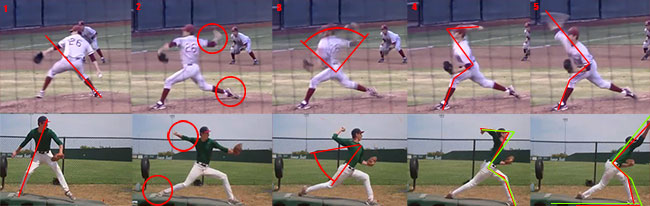
Meticulous stretching alone cannot forestall all arm-related difficulties. A pitcher’s journey necessitates comprehensive attention to biomechanical form, ensuring efficient and repeatable motions that minimize undue joint stress. Equally important is the establishment of a disciplined throwing schedule that allows sufficient time for rest and tissue recovery between exertions. This measured approach prevents cumulative microtrauma. Furthermore, respecting one’s individual body’s signals and implementing pitch limits, particularly during the developmental years, stands as a cornerstone of injury prevention. Diligent monitoring of arm care and progress indicators – encompassing pain levels, pitch count adherence, and performance metrics – empowers pitchers and their support teams to make data-informed judgments. Recognizing fatigue is crucial; pushing through exhaustion significantly elevates injury probability. Ultimately, a culture of proactive, consistent arm care, informed by sound stretching technique and a holistic training regimen, serves as the most potent defense mechanism available to cultivators of the beautiful game.