Baseball’s most hallowed pitching feats—no-hitters—are the rare, almost mythic moments when a hurler transcends mere competition and enters the realm of legend. These games, where batters are systematically silenced for nine innings or more, are not just statistical curiosities; they are cultural touchstones, etched into the collective memory of fans and players alike. Yet, as the 2024 season unfolds, the gap between no-hitters grows ever wider, a silent countdown that underscores the increasing rarity of perfection on the mound. This phenomenon invites a deeper exploration: Why do no-hitters feel more elusive with each passing day? How do teams and pitchers grapple with the psychological weight of this drought? And what does the modern era of baseball—with its analytics-driven strategies and high-velocity arms—mean for the future of this most coveted achievement?
The Psychological Weight of the Drought
For pitchers, the absence of a no-hitter is more than a statistical footnote; it’s a psychological burden that lingers like a specter. The modern mound is a stage where failure is amplified, and the pressure to deliver a flawless game can be suffocating. Consider the mental gymnastics required: a starter must navigate not just the opposing lineup, but the weight of history. Every pitch is scrutinized, every decision second-guessed by fans and analysts alike. The longer the drought persists, the heavier the expectation becomes. Pitchers like Gerrit Cole and Jacob deGrom, who have come agonizingly close in recent years, know this all too well. Their near-misses—games where a single bloop single or a defensive miscue shattered perfection—highlight the razor-thin margin between glory and heartbreak. The psychological toll is real, and it’s a reminder that baseball’s most celebrated achievements are as much about mental fortitude as they are about physical dominance.
Teams in the Crosshairs: The Organizational Stakes
For franchises, the absence of a no-hitter isn’t just a talking point—it’s a franchise-wide anxiety. Teams invest millions in pitching development, analytics, and high-tech training regimens, all in pursuit of that elusive gem. Yet, the longer a team goes without a no-hitter, the more it becomes a point of scrutiny. Front offices are forced to confront uncomfortable questions: Are our pitchers lacking the clutch gene? Is our defensive alignment exposing flaws? Are we over-relying on analytics at the expense of instinct? The Chicago Cubs, for instance, went 7,920 days without a no-hitter—a drought that spanned multiple eras and generations of players. That kind of wait doesn’t just test a team’s patience; it reshapes its identity. Front offices must balance the need for innovation with the humility to accept that some achievements defy planning. The drought becomes a crucible, forging resilience or exposing fractures in a team’s philosophy.
The Evolution of the No-Hitter: A Game in Flux
Baseball is a sport in perpetual motion, and the no-hitter is no exception. The modern game has seen a seismic shift in how pitchers approach their craft. Gone are the days when a workhorse like Nolan Ryan could dominate with sheer endurance and a fastball that seemed to defy physics. Today’s no-hitters are often the product of meticulous planning, pitch sequencing, and a reliance on defensive shifts that turn potential hits into outs. The rise of the bullpen has also complicated matters. Starters, once the sole guardians of no-hitters, now share the burden with a cadre of dominant relievers who can preserve perfection in high-leverage moments. Yet, this evolution comes with a paradox: the more sophisticated the game becomes, the harder it is to achieve the simplest of feats—keeping hitters off the basepaths. The no-hitter, once a testament to a pitcher’s dominance, now feels like a relic of a bygone era, a fleeting moment of magic in an age of data and specialization.
Defensive Alchemy: The Unsung Heroes of Perfection
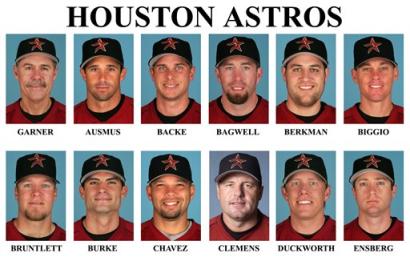
Behind every no-hitter lies a symphony of defensive brilliance. The modern no-hitter is rarely the work of a single pitcher; it’s a collaborative masterpiece where fielders become extensions of the mound. Consider the acrobatic catches, the diving stops, the relay throws that turn screaming line drives into harmless pop-ups. The 2021 no-hitter by the Houston Astros’ combined effort—where eight pitchers held the Toronto Blue Jays hitless—was as much a testament to the team’s defensive prowess as it was to their pitching. In an era where defensive metrics reign supreme, the no-hitter has become a showcase for the artistry of fielding. Shortstops like Francisco Lindor and outfielders like Mookie Betts don’t just make plays; they elevate the game to a higher plane, where a single misstep can unravel months of meticulous planning. The defensive side of the no-hitter is often overlooked, but it’s the backbone of these historic performances.
The Fan’s Obsession: A Love-Hate Relationship with the Drought
For fans, the absence of a no-hitter is a double-edged sword. On one hand, the rarity of the achievement makes it all the more thrilling when it finally occurs. The collective gasp of a stadium when a pitcher retires the side in order, the hushed anticipation as the ninth inning approaches—these are the moments that define baseball’s magic. Yet, the longer the drought persists, the more it becomes a source of frustration. Fans begin to wonder: Is the no-hitter an endangered species? Will we ever see another perfect game, or have the game’s advancements made such feats obsolete? The obsession with the drought is a reflection of baseball’s enduring appeal—a sport where tradition and innovation collide, and where the past and present are forever intertwined. The no-hitter is more than a stat; it’s a story, a narrative that fans cling to in an era of instant gratification and algorithm-driven entertainment.
The Analytics Paradox: Can Data Kill the No-Hitter?
The rise of analytics has revolutionized baseball, but it has also cast a shadow over the no-hitter. In a game where every swing, every pitch, and every defensive shift is dissected by algorithms, the margin for error has shrunk to nearly zero. Pitchers are now armed with an arsenal of data-driven insights, from exit velocity to launch angle, that make it increasingly difficult to surprise hitters. The no-hitter, once a testament to unpredictability, now feels like a relic of a simpler time. Yet, this paradox presents an intriguing question: Can analytics coexist with the no-hitter, or will the latter become a casualty of the data revolution? The answer may lie in the hands of pitchers who can blend old-school grit with new-school innovation. The no-hitter may evolve, but it won’t disappear—it will simply take on a new form, one that reflects the complexities of the modern game.
The Legacy of the Drought: What Comes Next?
As the days tick by without a no-hitter, the question on everyone’s lips is simple: When will it happen again? The answer is as elusive as the achievement itself. Baseball is a sport of streaks and slumps, of moments that defy logic and reason. The next no-hitter could come tomorrow, or it could be years away. What’s certain is that when it does arrive, it will be celebrated not just as a pitching feat, but as a triumph of the human spirit—a reminder that in a game of numbers and probabilities, magic still exists. Until then, the drought continues, a silent countdown that keeps fans and players alike on the edge of their seats, waiting for the next chapter in baseball’s most storied tradition.