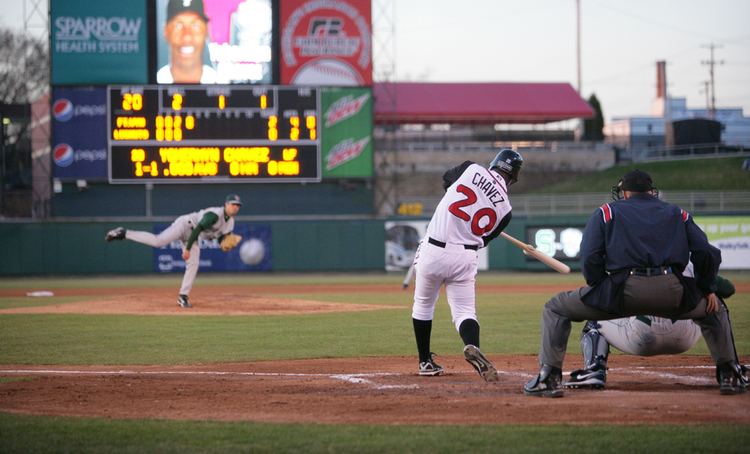
The baseball is more than just a sphere of stitched leather and cork; it is a tiny universe of physics, nostalgia, and raw athleticism. Held in the palm of a pitcher’s hand, it becomes a comet hurtling toward destiny. In the batter’s box, it transforms into a fleeting target, a challenge to split seconds and reflexes. Yet, despite its diminutive size, the baseball carries a gravitational pull that has shaped cultures, inspired legends, and defined moments of triumph and heartbreak. To understand its true magnitude, we must look beyond mere measurements and explore the intricate dance between its dimensions, weight, and the intangible magic that makes it the heart of America’s pastime.
The Spherical Canvas: Diameter and Circumference in Context
The baseball’s diameter is a precise 2.86 to 2.94 inches (7.26 to 7.47 cm), a measurement so exact that it borders on the surgical. To put this into perspective, imagine a sphere no larger than a standard apple, yet one that must withstand velocities exceeding 100 miles per hour without deforming. The circumference, hovering around 9 to 9.25 inches (22.86 to 23.5 cm), is just enough to wrap comfortably around the fingers of a seasoned pitcher, a tactile reminder of the grip that will soon launch it into the stratosphere.
This compactness is no accident. The baseball’s size is a carefully calibrated compromise between aerodynamics and control. Too large, and it would lose velocity; too small, and it would become a blur in the batter’s vision. The stitching, those 108 double-stitches of waxed red thread, adds a tactile irregularity that allows pitchers to manipulate its flight. In the hands of a master, a baseball is not just thrown—it is sculpted, its trajectory dictated by the whorls of its seams as much as by the arm that propels it.
The Weight of Destiny: How Ounces Shape the Game
Weighing between 5 to 5.25 ounces (142 to 149 grams), the baseball is a featherweight champion, light enough to be hurled with devastating speed yet heavy enough to pack a punch upon impact. This weight is the fulcrum of the game’s balance—light enough to be accelerated by a pitcher’s arm in under a second, yet dense enough to send a line drive screaming into the outfield. To hold a baseball is to feel the weight of history; it is the same object that has shattered records, broken hearts, and etched names into the annals of glory.
Consider the pitcher’s paradox: the lighter the ball, the faster it can be thrown, but the harder it is to control. The baseball’s weight is a Goldilocks zone—just right for the delicate alchemy of speed and precision. When a fastball cracks the catcher’s mitt at 95 mph, the ball’s inertia is a force to be reckoned with. Yet, in the hands of a knuckleballer, that same weight becomes a tool of deception, its lethargic flight belying the chaos it leaves in its wake.
The Anatomy of a Legend: Materials and Construction
Beneath the leather exterior lies a core of cork and rubber, wrapped in layers of yarn, and encased in horsehide or cowhide. This layered construction is a marvel of engineering, designed to absorb impact while maintaining resilience. The cork center, often surrounded by a black rubber pill, acts as the ball’s nucleus, dictating its bounce and compression. The yarn, wound tightly in precise patterns, adds bulk and texture, while the leather cover—stitched with 216 stitches (108 on each side)—provides the grip and durability needed to survive hundreds of pitches.
Each component plays a role in the ball’s performance. The cork’s density ensures a lively rebound, while the yarn’s tension affects the ball’s flight. Even the stitching is a variable; pitchers exploit the raised seams to induce movement, turning a simple sphere into a projectile with a mind of its own. The materials are not just functional—they are historical. The shift from horsehide to cowhide in the mid-20th century was a revolution, altering the game’s dynamics and sparking debates that still echo in dugouts today.
The Physics of Flight: How Size and Weight Dictate Trajectory
A baseball’s flight is a symphony of forces—gravity pulling it earthward, drag slowing its progress, and the Magnus effect spinning it into a curveball’s arc. The ball’s size and weight are critical to this dance. A heavier ball would plunge faster; a lighter one would drift unpredictably. The baseball’s dimensions strike a balance, allowing it to maintain velocity while responding to the pitcher’s spin.
Consider the curveball: as the ball spins, the stitching creates a pressure differential, lifting one side and depressing the other. The result is a pitch that dips and dives like a falling leaf, a visual illusion that baffles batters. The baseball’s size ensures that this spin is both visible and effective, a testament to the interplay between its physical properties and the laws of aerodynamics. Even the seams, those humble red threads, are aerodynamic spoilers, disrupting airflow in ways that can turn a fastball into a rising heater or a slider into a wicked slurve.
Cultural Magnitude: The Baseball’s Place in Society
Beyond its physical attributes, the baseball is a cultural artifact, a symbol of summer afternoons, childhood dreams, and the unyielding spirit of competition. It is the ball that Babe Ruth allegedly called his shot, the one that Jackie Robinson broke barriers with, and the one that Aaron Judge launched into the stratosphere during his record-setting home run spree. The baseball’s size—small enough to fit in a pocket, yet large enough to fill a stadium—mirrors its outsized role in American lore.
In literature and film, the baseball is often a metaphor for hope, loss, or redemption. It is the object of a child’s first catch, the trophy of a Little League championship, or the relic of a bygone era. The ball’s unassuming dimensions belie its emotional weight; it is a vessel for memories, a silent witness to history. When a player signs a baseball, they are not just marking leather—they are inscribing a piece of themselves into the collective consciousness of the game.
Fun Facts and Quirks: The Baseball’s Secret Life
Did you know that the first baseballs were made from melted shoe leather and stuffed with feathers? Or that the modern baseball’s design has remained largely unchanged since the 1870s? The baseball’s journey from crude craftsmanship to precision engineering is a testament to the game’s evolution. Today, each ball is machine-stitched with an exacting standard, yet minor variations in stitching can alter its flight by inches—a difference that decides a game.
Then there’s the phenomenon of the “juiced ball,” a term for baseballs altered to increase offense. In the late 1990s and early 2000s, accusations swirled that the balls were livelier, contributing to the steroid era’s record-breaking home runs. The debate over the baseball’s “true” liveliness continues, a reminder that even its smallest details can ripple through the sport’s narrative. And let’s not forget the baseball’s role in superstition: pitchers refuse to touch the rosin bag if they’ve given up a home run, and batters kiss their bats for luck—all centered around the humble sphere in the pitcher’s hand.
The Future of the Baseball: Innovation and Tradition
As technology advances, the baseball itself remains a bastion of tradition. Yet, even here, change is afoot. New materials, like synthetic covers, are being tested to reduce costs and improve durability. The league’s crackdown on sticky substances—gels and tackifiers that alter the ball’s grip—has forced pitchers to rely more on skill than on physics-defying grip. The baseball’s future may lie in a delicate balance between innovation and preservation, ensuring that it remains both a tool of the game and a symbol of its timeless allure.
One thing is certain: the baseball’s size and weight will continue to define its role. It will remain small enough to fit in the palm of a child’s hand, yet large enough to fill the dreams of millions. Its dimensions are not just measurements—they are the blueprint of a game that has captivated generations. In a world of ever-expanding technology, the baseball endures because it is, at its core, a human story: one of sweat, strategy, and the unshakable belief that the next pitch could change everything.