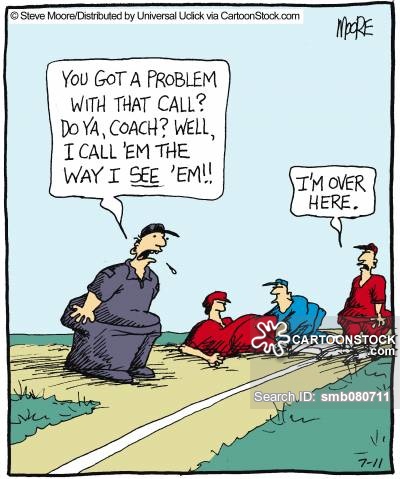
Baseball, often called America’s pastime, is a game of precision, strategy, and split-second decisions. At its heart, the sport thrives on the tension between skill and chance, where every pitch, swing, and call can shift the momentum of a game. Yet, no matter how flawless the players’ execution or how meticulously the rules are followed, one variable remains beyond anyone’s control: the umpire. When an umpire’s judgment falters—whether through misjudged strikes, overlooked balks, or contentious safe calls—the mental toll on players, coaches, and even fans can be profound. Learning to navigate the psychological challenges of a bad umpire is not just about maintaining composure; it’s about preserving performance, respect, and the integrity of the game itself.
The Psychological Toll of a Bad Call: Why It Stings So Deeply
There’s a reason why a single umpire’s mistake can feel like a gut punch to a team’s psyche. Baseball is a sport of inches and milliseconds, where the difference between a ball and a strike, a hit and an out, can hinge on a millimeter of a pitch or a fraction of a second of reaction time. When an umpire’s call contradicts what the players and fans perceive as objective reality, it doesn’t just challenge the outcome—it challenges their sense of control. The human brain is wired to seek patterns and fairness; when that equilibrium is disrupted, frustration and helplessness can set in. Studies in sports psychology suggest that perceived injustice triggers a stronger emotional response than actual loss, which is why a blown call can linger longer in the mind than a clean defeat.
Moreover, baseball’s slow pace amplifies the impact of each call. Unlike high-octane sports where momentum shifts rapidly, a single pitch in baseball can feel like an eternity, especially when the umpire’s decision hangs in the balance. The mental weight of waiting for a call that defies logic can erode confidence over time, turning what should be a game of strategy into a psychological endurance test. Players may begin to second-guess their own instincts, leading to hesitation or overcompensation—a slippery slope that can unravel even the most disciplined approach.
Recognizing the Types of Bad Umpires: From the Benign to the Brazen
Not all bad umpires are created equal, and understanding the nuances of their tendencies can help players and coaches tailor their responses. Some umpires operate with a subtle bias, favoring one team or pitcher based on unspoken preferences rather than clear rule violations. Others may be prone to “mechanical fatigue,” where their judgment wavers after prolonged periods of high-stakes calls, leading to erratic decisions in late innings. A third category includes the “ego-driven” umpire, who refuses to reverse a call—even when presented with irrefutable evidence—out of a misplaced sense of authority.
Then there are the umpires who seem to thrive on chaos, making calls that defy both the rules and common sense. These are the officials who call a strike on a pitch that bounces before the plate or rule a runner safe when the replay clearly shows the tag was applied a heartbeat before the foot touched the bag. For players, the challenge isn’t just adapting to the inconsistency; it’s managing the frustration without letting it metastasize into a full-blown meltdown. The key lies in recognizing the pattern—if an umpire consistently favors a certain pitch type or batter, players can adjust their approach, even if it means playing the percentages rather than relying on pure skill.
Strategies for Players: Turning Frustration into Focus
The first and most critical step for any player facing a bad umpire is to acknowledge the call’s impact without letting it derail their mental game. This is easier said than done, especially in high-pressure situations where a single call can mean the difference between a win and a loss. One effective technique is the “reset ritual”—a personalized routine that players use to compartmentalize the call and refocus on the next pitch. This might involve adjusting their batting gloves, taking a deep breath, or even reciting a mantra to reinforce their mental reset.
Another strategy is to exploit the umpire’s tendencies. If a pitcher notices that the umpire is calling a wider strike zone than usual, they might adjust by challenging hitters with pitches just outside the zone, knowing the umpire is likely to reward them with a strike. Conversely, a batter who recognizes an umpire’s propensity to call high strikes might lay off pitches in the zone’s upper tier, waiting for a more hittable offering. This isn’t about gaming the system; it’s about playing the percentages in a game where every advantage, no matter how small, can tip the scales.
Physical cues can also play a role in managing frustration. Some players use subtle body language—like a quick nod to the dugout or a slight shrug—to signal to teammates that they’re staying in the moment. Others rely on humor, cracking a joke in the dugout to diffuse tension and remind everyone that the umpire’s call is just one small part of a much larger game. The goal isn’t to suppress emotion but to channel it productively, turning frustration into fuel rather than a distraction.
The Coach’s Dilemma: When to Push Back and When to Let It Go
For coaches, the challenge of dealing with a bad umpire is twofold: managing their own reactions while guiding their team through the storm. The instinct to argue a call is deeply ingrained in baseball culture, but the modern game demands a more nuanced approach. Managers must weigh the risks of a ejection against the potential benefit of a call being overturned. In high-leverage situations, a well-timed challenge can shift momentum, but it can also backfire if the umpire digs in their heels.
One tactic coaches use is the “strategic challenge,” where they reserve their protests for calls that have the highest probability of being overturned. This requires a keen understanding of the umpire’s tendencies and the rules themselves. For example, a coach might challenge a play at first base if the umpire’s positioning suggests they missed the tag, but they might let a strike call go if the replay shows the pitch was clearly in the zone. The key is to pick battles wisely, ensuring that each challenge carries weight rather than becoming a knee-jerk reaction.
Communication is another critical tool in a coach’s arsenal. By keeping the tone measured and the language precise, coaches can sometimes sway an umpire’s perspective without resorting to theatrics. Phrases like “We’d love to see that one again” or “Coach, can we get a quick look?” can prompt a review without escalating tensions. The goal isn’t to win the argument but to plant the seed of doubt in the umpire’s mind, which can sometimes lead to a more favorable call on the next play.
Mental Conditioning: Building Resilience Against the Uncontrollable
Perhaps the most overlooked aspect of dealing with bad umpires is the mental conditioning required to stay resilient. Baseball, at its core, is a game of failure—even the best hitters fail seven out of ten times. When an umpire’s call compounds that failure, the mental strain can become overwhelming. This is where techniques like visualization and mindfulness come into play. Players who practice mental rehearsal—imagining themselves staying composed after a bad call—are better equipped to handle the real thing when it happens.
Mindfulness exercises, such as focusing on breath or grounding techniques, can help players stay present in the moment rather than dwelling on past calls or worrying about future ones. These practices aren’t about suppressing emotions but about acknowledging them without letting them dictate actions. For example, a batter who feels the heat of frustration after a strike call might take a moment to reset by focusing on the sound of the bat making contact in their mind’s eye, reinforcing positive outcomes rather than negative ones.
Team culture also plays a vital role in mental conditioning. A locker room that normalizes setbacks and celebrates resilience creates an environment where bad calls are seen as temporary obstacles rather than insurmountable barriers. Coaches who emphasize process over outcome—focusing on execution rather than results—help players detach their self-worth from the umpire’s decisions. This shift in perspective can turn a frustrating call into just another variable in the game, one that players can adapt to rather than fight against.
Long-Term Adaptation: When Bad Umpires Become a Season-Long Challenge
For teams that face a particularly challenging umpire crew over an entire season, the mental toll can accumulate, leading to a phenomenon known as “umpire fatigue.” This isn’t just about individual calls but about the cumulative effect of constant frustration, which can erode morale and performance. To combat this, teams must adopt a long-term strategy that goes beyond individual games. This might involve studying the umpire crew’s tendencies early in the season and adjusting game plans accordingly, or even working with the league to address systemic issues with officiating.
Another approach is to reframe the narrative around the umpire’s role in the game. Instead of viewing them as adversaries, players and coaches can see them as part of the broader ecosystem of baseball, where imperfections are inevitable. This mindset shift doesn’t mean accepting blatant errors but rather recognizing that the game’s beauty lies in its unpredictability. By focusing on what they can control—execution, preparation, and teamwork—players can mitigate the impact of bad calls and maintain their competitive edge.
Ultimately, the ability to deal with a bad umpire mentally is a testament to a player’s or team’s character. It’s not about avoiding frustration but about channeling it into something productive. In a sport where the line between victory and defeat can be razor-thin, the mental fortitude to rise above the umpire’s mistakes often separates the good from the great.