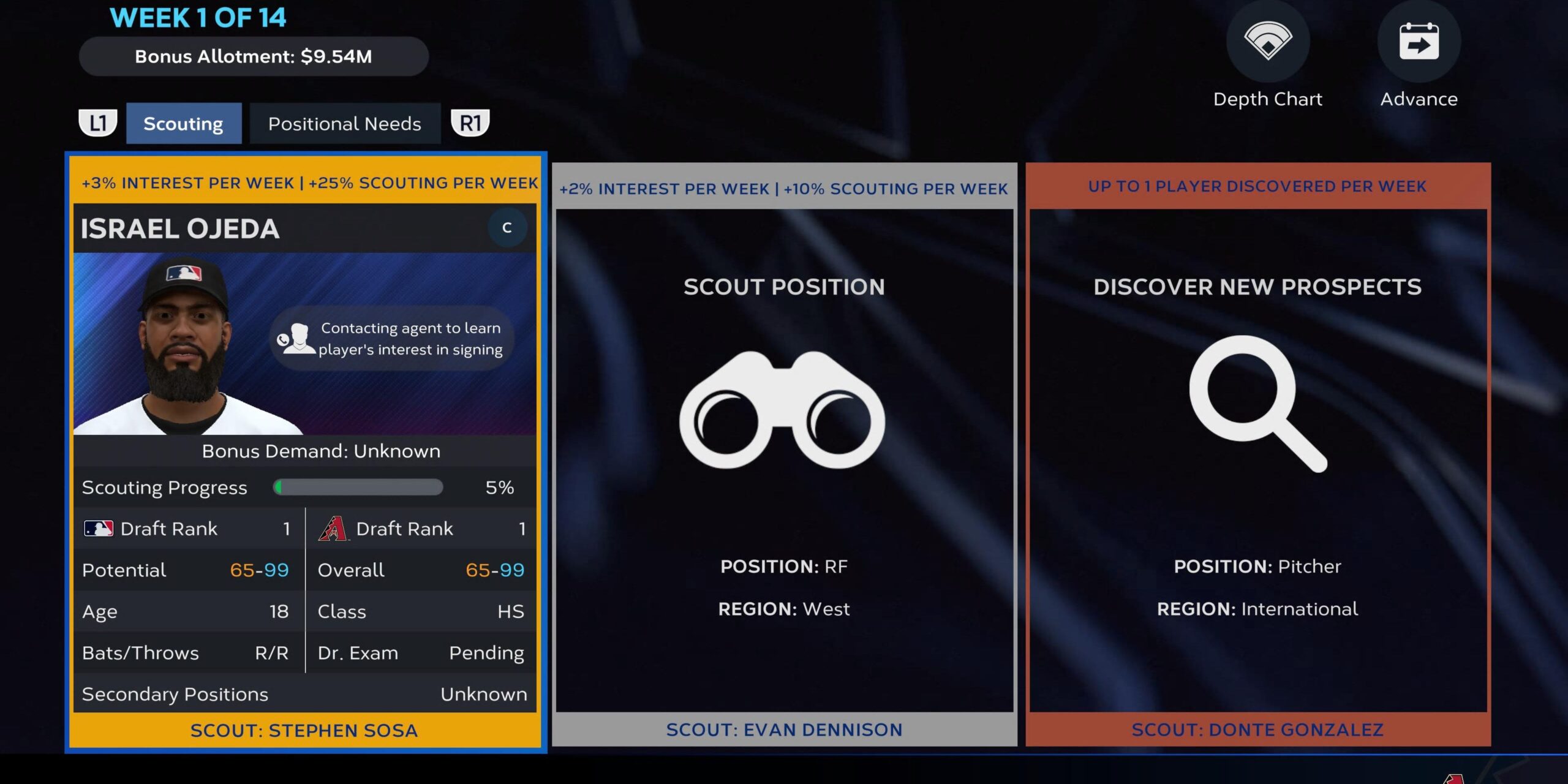
Ever stared at a sea of faceless minor leaguers in MLB The Show, wondering how to separate the next Mike Trout from the next “meh”? You’re not alone. The scouting report system in MLB The Show is your secret weapon—a labyrinth of data, intuition, and a sprinkle of luck. But here’s the kicker: most players dive headfirst into the highest-rated prospects, leaving hidden gems buried in the shadows of the minors. So, how do you unearth those diamond-in-the-rough players before your rivals do? Buckle up. This isn’t just another guide; it’s your playbook for turning obscurity into opportunity.
The Art of the Scouting Report: Where Data Meets Instinct
Scouting reports in MLB The Show aren’t just numbers on a screen—they’re a living, breathing snapshot of a player’s potential. But raw stats can be deceiving. A .300 batting average in Double-A might look elite, but what if it’s fueled by a pitcher’s worst park in the league? The key lies in dissecting the finer details: plate discipline metrics, defensive range, and even the subtle art of pitch sequencing. Start by filtering prospects by position scarcity. Need a shortstop? Ignore the glut of outfielders hogging the spotlight. Focus on the overlooked infielders with the glove to back up their bat. Then, dig deeper. Look for players with rising trends in OBP (On-Base Percentage) or xERA (Expected Earned Run Average), which often predict future dominance better than traditional stats.
Park Factors and League Adjustments: The Invisible Hand of Context
Here’s a curveball for you: not all minor league environments are created equal. A .280 hitter in the hitter-friendly Pacific Coast League is far less impressive than the same average in the pitcher’s paradise of the Eastern League. This is where park factors and league adjustments become your best friends. Scouting reports often include these metrics, but most players gloss over them. Don’t. A prospect crushing balls in a cavernous stadium? That’s a red flag. One mashing in a bandbox? That’s a green light. Cross-reference these numbers with the player’s home ballpark. If they’re thriving in a neutral or tough environment, you’re onto something special. And remember, minor league stats are just the prologue—the real story unfolds when they reach the majors.
But here’s the twist: league adjustments aren’t just about adjusting for talent disparity. They’re about adjusting for style. A pitcher with a 2.50 ERA in the high-offense Atlantic League might be a future ace, but if his fastball sits at 92 mph with no secondary pitches, he’s a ticking time bomb. Use league adjustments to filter out the flashy but unsustainable performers. Look for players who dominate across leagues, not just in one. That’s the hallmark of a true prospect.
The Hidden Metrics: What the Box Scores Won’t Tell You
Box scores lie. They tell you a player went 3-for-5, but they won’t scream that he swung at 12 pitches out of the zone or that his defensive range was a liability. This is where advanced scouting metrics come into play. wRC+ (Weighted Runs Created Plus) and FIP (Fielding Independent Pitching) are your telescopes into a player’s true value. A prospect with a wRC+ of 140 in the minors is a future superstar, even if his batting average is “only” .290. Similarly, a pitcher with a FIP below 3.00 in Double-A is a future rotation anchor, regardless of his ERA. These metrics strip away the noise of luck and park effects, revealing the player’s underlying skill.
But don’t stop there. Dive into the platoon splits. How does a left-handed hitter perform against right-handed pitching? How does a righty fare against lefties? Platoon splits can expose weaknesses that raw stats hide. A prospect with a .300 average but a .200 mark against same-handed pitching is a liability waiting to happen. Conversely, a player with a .250 average but a .350 clip against lefties? That’s a platoon weapon in the making. Use these splits to identify players who might not light up the stat sheet but could be situationally dominant.
The International Wildcard: When the Numbers Don’t Exist
International prospects are the ultimate wildcards. No minor league stats. No scouting reports from Baseball America. Just raw talent and a scant few games of data. So how do you evaluate them? Start with the scouting grades. In MLB The Show, international players often come with vague ratings, but their potential is hidden in their tool grades. A 70-grade hit tool? That’s a future .300 hitter. A 60-grade power? That’s 25+ home runs in the majors. But tools alone aren’t enough. Look for players with high contact rates and low strikeout rates, even in limited at-bats. These players project as future big leaguers because their approach is already refined.
Another clue? The signing bonus. Teams don’t throw millions at raw talent without a plan. A $5 million signing bonus for a 17-year-old? That’s a top-100 prospect in the making. Cross-reference the player’s age and tools with their bonus to gauge their ceiling. And don’t ignore the defensive metrics. International players often get rushed to the majors based on their bat, but if their glove is a question mark, they’ll be a defensive liability. Prioritize players with the tools to stick at premium positions.
The Late-Bloomer’s Gambit: When Patience Pays Off
Not all prospects peak at 22. Some take their sweet time, grinding away in the minors while the world moves on. These are the late-bloomers—players who defy the “prospect fatigue” narrative. How do you spot them? Look for players with improving trends. A pitcher whose strikeout rate jumps from 20% to 28% in his third minor league season? That’s a future ace. A hitter whose walk rate climbs from 8% to 12%? That’s a future OBP machine. Late bloomers often fly under the radar because their early stats don’t scream “superstar.” But their trajectory tells a different story.
Another tell? The age vs. level mismatch. A 24-year-old in Triple-A who’s still climbing the ladder? That’s a red flag. But a 25-year-old in Double-A with a .900 OPS? That’s a prospect worth stashing. Age is just a number, but when it’s paired with performance, it becomes a powerful tool. Don’t dismiss players just because they’re older. Sometimes, the best prospects are the ones who take their time.
Putting It All Together: Your Scouting Report Playbook
Now that you’ve got the tools, it’s time to put them to work. Start by filtering prospects by position scarcity and league adjustments. Then, dig into the advanced metrics—wRC+, FIP, platoon splits—to separate the wheat from the chaff. For international players, focus on tool grades and signing bonuses. And don’t forget the late bloomers; their improving trends might just be the next big thing.
But here’s the final piece of the puzzle: context. A prospect’s value isn’t just in their stats—it’s in their environment, their tools, and their trajectory. Use the scouting report as your guide, but let your instincts fill in the gaps. After all, the best scouts aren’t just data analysts; they’re storytellers. They see the potential in the numbers and the magic in the unknown.
So, the next time you’re scrolling through the minors in MLB The Show, ask yourself: Are you settling for the obvious, or are you hunting for the hidden? The difference between a championship and a rebuild could be one overlooked prospect.