In the annals of baseball history, certain periods stand out not merely for their statistical output, but for the sheer, gravitational pull of power that defined an era. The 2006, 222007, and 2008 seasons represent a significant period in New York Yankee dominance, an apex where the team fielded a roster capable of consistently imposing its will offensively. While the name Derek Jeter might dominate the narrative of leadership, the true breadth of this team’s offensive prowess during those years extends to include formidable power hitters who, perhaps more than any single star, formed the bedrock of a championship-caliber attack. These were Yankees who understood the weight of expectations, men forged in the batter’s box, ready to unleash monstrous force, and their presence fundamentally altered the trajectory of countless games during the 2006-2008 cycles.
The Magnetic Attraction of Dominance
The period between 2006 and 2008 was characterized, in large part, by the Yankees’ unparalleled consistency at the plate. Forget simple averages or walk counts; this era demanded a tangible, physical presence in the opposing ballpark. It was an age where runs were scored not necessarily through intricate tactical offensive schemes, but by letting the sheer mass of talent on the roster do its unique work. Players with names like Jason Giambi, Alex Rodriguez, and Hideki Matsui didn’t just hit for average; they were the gravitational centers around which runs orbited, the ones who could fundamentally shift the balance of a contest with a single, resounding crack of the bat.
Beyond Jeter: The Inner Circle of Power
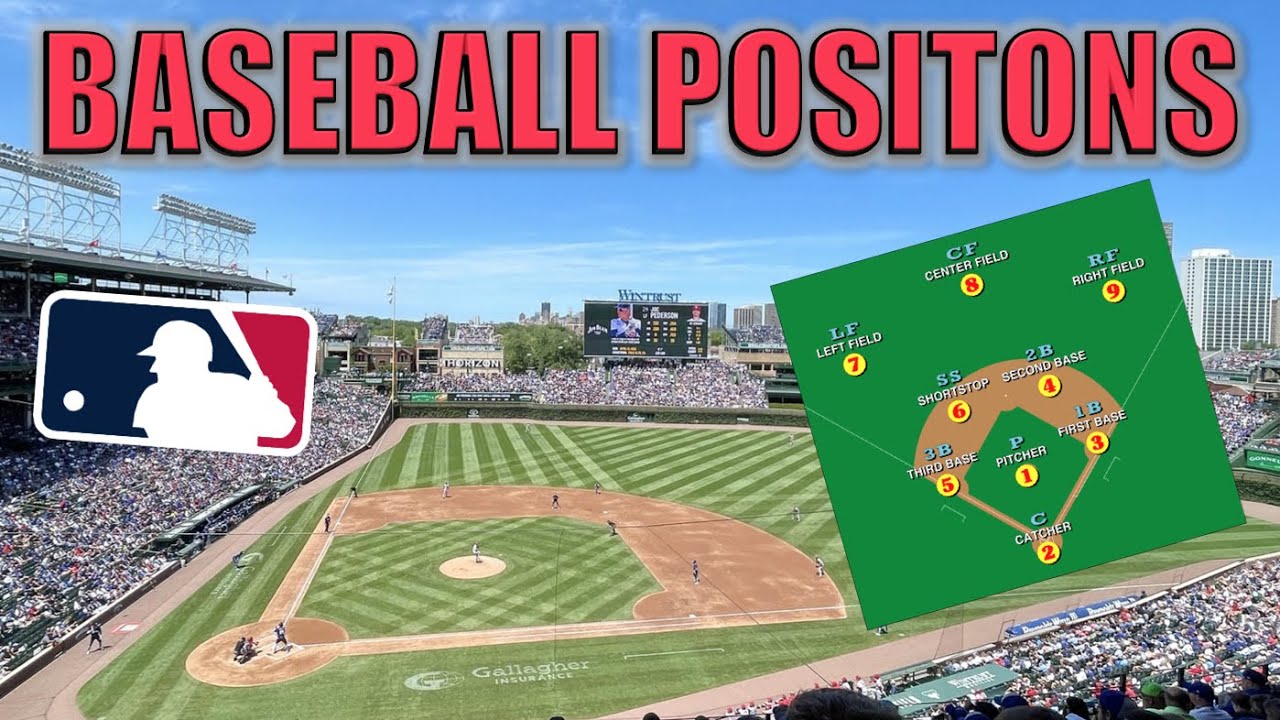
While Derek Jeter provided the quiet brilliance, the unwavering heart, and the vocal leadership from the mound and the clubhouse, the true engine of this Yankees powerhouse lay deeper in the lineup. The middle of the order, featuring positions two, three, and four, became a veritable conduit for runs. Here, players of immense physical and sometimes surprising mental stature laid siege to opposing pitchers. Alex Rodriguez, affectionately known as “A-Rod,” was the undisputed engine, a generational talent whose blend of strength, contact skills, and surprisingly patient approach made him a perennial MVP contender. His presence alone could often inflate the run expectancy of every pitch he encountered. Alongside him, Jason Giambi stood as a reliable, sometimes surprising, source of run-producing power. The Japanese swing of Hideki Matsui added a dynamic international flair, a unique approach that belied incredible strength and produced devastating blasts to all fields. Collectively, this core represented a terrifyingly potent offensive assembly, an intricate clockwork of contact and launch power turning small ball concepts into relics of the past.
Plate Conquest: More Than Just Runs
The defining characteristic of this Yankees lineup wasn’t merely the volume of runs scored, but the efficiency and conviction with which they were achieved. This wasn’t a team reliant on situational hack hitting or clever platooning; it was built on a philosophy of aggressive contact and maximizing exit velocity. These Yankees understood the weight of their own bat and often employed a less-is-more approach, patiently hittng the ball into the teeth of the wind or aggressively attacking specific pitch locations to launch majestic home runs beyond the fence. Their approach was bold, almost imperial, a relentless siege against the defensive alignments of their opponents. Every swing felt premeditated for impact, less concerned with the box score convention of singles and walks, and far more focused on dictating tempo through powerful contact and timely blasts.
Beyond Averages: The Resonance of Sluggerdom
Traditional offensive statistics like batting average often seemed secondary to the sheer visual impact and sheer force of production. A-Rod might not always elevate his line drive percentage to the highest levels, but the sheer mass of his contact alone fueled runs. Meanwhile, the power numbers themselves spoke eloquently: HR/AB percentages, slugging percentages (OPS+), were not just impressive; they were declarations of the Yankees’ offensive intent. The sheer auditory experience of the crack of the bat echoing across Yankee Stadium during this period wasn’t just sound; it was a form of communication, an unspoken language understood by fans worldwide. It set the tone, established the rhythm, and served as a constant reminder of the immense potential residing in that opposing lineup. It was an era less defined by careful calculation than by decisive application of raw power.
Matchup Magnet: Turning Games into Batting Cages
The cumulative power draw from this roster served another critical purpose: it constantly put the opposing team’s pitchers in a predicament. A lineup capable of generating pressure like that naturally creates mismatches. A pitcher dared to walk the heart of the order, facing Giambi, A-Rod, and Matsui? That invitation to the batting cage was often too tempting for opposing management. And when the power threat was neutralized, perhaps by pitch location or defensive positioning, the Yankees often possessed incredible depth and contact-hitting ability elsewhere. The sheer volume of their collective strength created a multi-layered offensive challenge, one that didn’t rely solely on stars but utilized a system where pressure could be exerted from multiple avenues. Games weren’t won through intricate tactical brilliance alone; they were frequently decided by the cumulative pressure brought to bear on the opposing defense.
Poetry in Motion: A Legacy Forged in Power
Looking back at the 2006-2008 Yankees, the offensive prowess displayed wasn’t accidental; it was a blueprint executed with precision. It wasn’t just Derek Jeter hitting the vast majority of the headlines through consistent excellence, but a system led by Jeter that emphasized power hitting in the middle of the order, anchored by an A-Rod whose talent seemed boundless. This combination of sheer force, technical mastery, and unwavering confidence fundamentally reshaped the way baseball was played during those years. It established a new benchmark for offensive production in the late 2000s, creating a legacy that resonates not just in run columns, but in the very fabric of how teams envisioned constructing offensive units. These were Yankees not merely winning; they were dominating with a potent offensive display that perfectly captured the zeitgeist of baseball during a remarkable period.