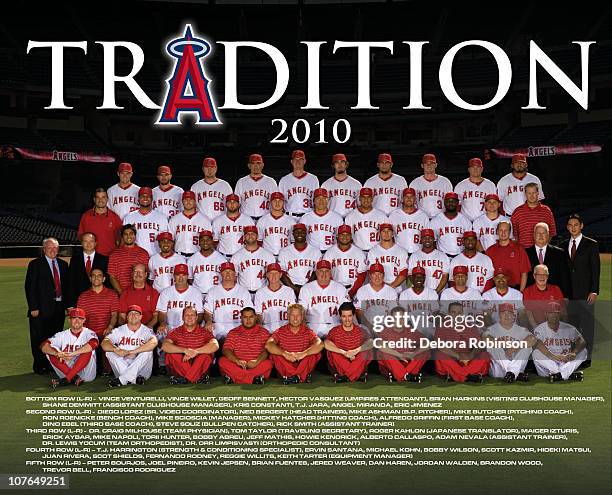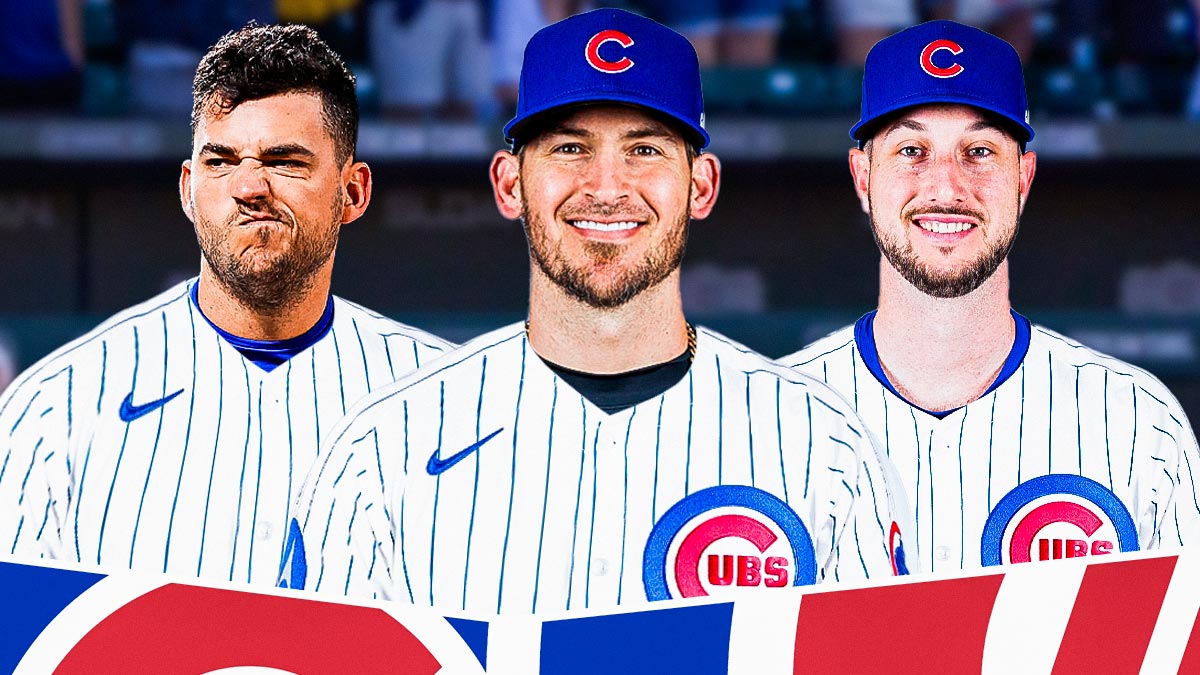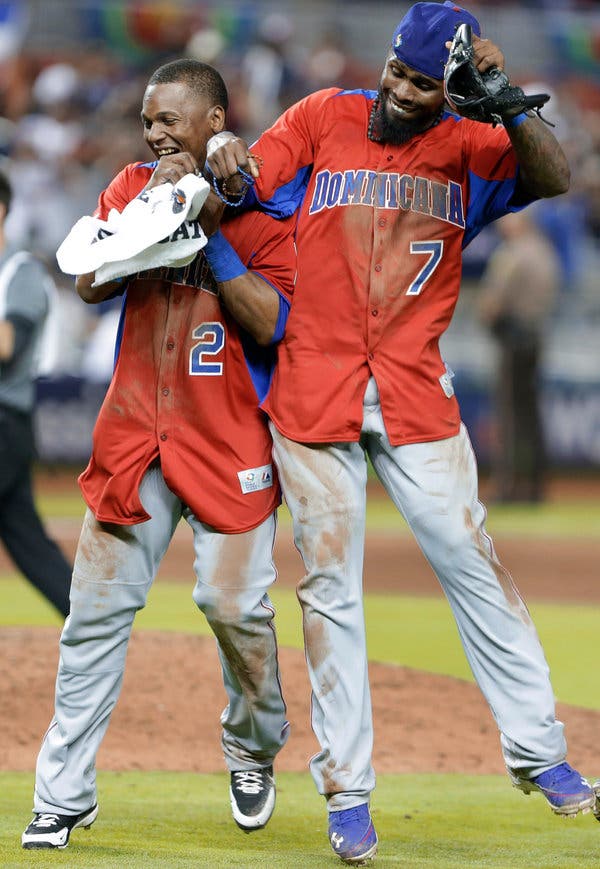
The crack of the bat, the roar of the crowd, the vibrant hues of a baseball uniform—few sights in sports are as instantly recognizable as the bold red, white, and blue baseball uniforms that have graced the diamond for over a century. These colors aren’t just patriotic; they’re a visual shorthand for tradition, intensity, and team identity. From the pinstriped elegance of the New York Yankees to the star-spangled flair of the Los Angeles Dodgers, red, white, and blue uniforms have evolved from simple athletic attire into cultural artifacts, each telling a story of its own. Whether it’s the timeless simplicity of a home whites or the electrifying contrast of a navy cap against a crimson jersey, these uniforms transcend mere clothing—they’re symbols of legacy, rebellion, and the enduring spirit of America’s pastime.
The Dawn of a Colorful Tradition: Early MLB Uniforms and the Rise of Red, White, and Blue
In the late 19th century, baseball uniforms were rudimentary affairs—wool jerseys in muted tones, often paired with baggy pants that betrayed their cricket-inspired origins. The first inklings of red, white, and blue appeared not as a deliberate design choice, but as a byproduct of practicality and symbolism. Teams like the Cincinnati Red Stockings (1869) adopted red for its visibility, while the Chicago White Stockings (now the Cubs) embraced white as a nod to cleanliness and professionalism. By the 1880s, the New York Metropolitans—a precursor to the modern Mets—wore uniforms in deep blue and red, foreshadowing the color schemes that would dominate the 20th century.
The turn of the century saw the introduction of the “road gray” uniform, a necessity for teams traveling to play in different climates. Yet, even these utilitarian outfits often featured red or blue trim, subtly reinforcing team identity. The Boston Americans (later the Red Sox) debuted in 1901 with red stockings and a white home uniform, a combination that would become synonymous with baseball’s most storied franchise. These early iterations lacked the polish of modern designs, but they laid the groundwork for the vibrant, high-contrast looks that would soon captivate fans.
Iconic Designs: The Uniforms That Defined Generations
Few uniforms in MLB history are as revered as the New York Yankees’ pinstriped home whites, a design that has remained largely unchanged since the 1920s. The thin blue pinstripes against the pristine white fabric evoke an air of timeless sophistication, a visual metaphor for the team’s relentless pursuit of excellence. Paired with the navy cap adorned with the iconic “NY” logo, this uniform is a masterclass in understated power—every stripe a testament to 27 World Series titles.
Contrast that with the Los Angeles Dodgers’ royal blue and white uniforms, which burst onto the scene in the 1940s and became emblematic of Jackie Robinson’s groundbreaking debut. The bold “Dodgers” script, the crisp white pants, and the royal blue cap created a look that was both regal and rebellious—a perfect match for a team that would redefine the sport. Meanwhile, the St. Louis Cardinals’ combination of cardinal red and white, with its distinctive “STL” logo, has become a symbol of Midwestern grit and consistency, a visual shorthand for the franchise’s 11 World Series titles.
Not all iconic uniforms are tied to success, however. The 1970s-era Oakland Athletics, with their green and gold uniforms (a nod to the team’s roots in the Pacific Coast League), broke convention with their bold, almost psychedelic designs. The bright green and gold, paired with white pants and a green cap, were a stark departure from the conservative styles of the era. Yet, their audacity mirrored the team’s on-field dominance during that decade, proving that uniforms could be as much about attitude as they were about tradition.
Patriotic Pageantry: Fourth of July and Special Event Uniforms
Baseball’s love affair with red, white, and blue reaches its zenith during the summer’s patriotic holidays, particularly the Fourth of July. Teams across MLB have embraced the occasion by donning special edition uniforms that blend team colors with overt nods to American iconography. The Boston Red Sox, for instance, have worn uniforms featuring red, white, and blue starbursts on the sleeves, while the Philadelphia Phillies have incorporated the Liberty Bell into their design. These uniforms aren’t just for show—they’re a celebration of the sport’s deep roots in American culture, a reminder that baseball is as much a part of the national fabric as apple pie and fireworks.
Beyond the Fourth of July, teams have used red, white, and blue uniforms to commemorate historical milestones. The Chicago Cubs, in 2016, unveiled a special “Stars and Stripes” uniform to celebrate the 100th anniversary of Wrigley Field, featuring a red, white, and blue color scheme with a nod to the team’s 1916 uniforms. Similarly, the Washington Nationals have worn patriotic-themed uniforms during Memorial Day and Independence Day games, often incorporating subtle details like red poppies or subtle star motifs. These designs serve as a bridge between the past and present, honoring baseball’s history while keeping the tradition alive for new generations.
The Psychology of Color: How Red, White, and Blue Influence Performance and Perception
The choice of red, white, and blue in baseball uniforms isn’t arbitrary—it’s steeped in psychology and cultural symbolism. Red, often associated with energy and aggression, has been shown to increase heart rates and perceived dominance in athletes. Teams like the Cincinnati Reds and the Atlanta Braves have long used red as a primary color, subtly intimidating opponents while energizing their own players. White, on the other hand, conveys cleanliness, precision, and professionalism, which is why it remains the default color for home uniforms across the league. The contrast between red and white can create a visual illusion, making players appear faster or more imposing.
Blue, particularly navy or royal blue, is often linked to trust, stability, and reliability. Teams like the Dodgers and the Cardinals use blue to project a sense of consistency and authority. When combined with red and white, the trio creates a balanced palette that appeals to both tradition and innovation. Studies in sports psychology suggest that uniforms with high-contrast colors can improve team cohesion and fan recognition, making red, white, and blue a near-universal choice for teams seeking to establish a strong visual identity.
Modern Innovations: How Today’s Teams Are Reinventing Classic Looks
The 21st century has seen a renaissance in baseball uniform design, with teams reimagining classic red, white, and blue looks through the lens of modern technology and aesthetics. The Milwaukee Brewers, for example, have embraced a retro-inspired design with their navy and cream uniforms, featuring a bold “M” logo that harks back to the team’s 1970s-80s glory days. Meanwhile, the Tampa Bay Rays have experimented with gradient blues and whites, creating a sleek, contemporary look that still nods to their Tampa roots.
Technology has also played a role in uniform evolution. Moisture-wicking fabrics, lightweight materials, and advanced dyeing techniques have allowed teams to create uniforms that are not only visually striking but also performance-enhancing. The Houston Astros’ 2020 alternate uniforms, featuring a deep navy base with red and white pinstripes, exemplify this blend of tradition and innovation. The use of sublimation printing has enabled intricate patterns and gradients that were impossible in earlier eras, giving teams like the Miami Marlins the freedom to experiment with bold, artistic designs.
Even the classic “throwback” uniform has been redefined. Teams like the Seattle Mariners have released limited-edition uniforms that pay homage to their 1990s designs, complete with teal accents and a retro “M” logo. These uniforms aren’t just nostalgic—they’re a bridge between generations, allowing older fans to relive the past while introducing younger audiences to the rich history of the game.
Beyond the Diamond: The Cultural Impact of Red, White, and Blue Uniforms
The influence of red, white, and blue baseball uniforms extends far beyond the confines of the ballpark. These designs have seeped into popular culture, inspiring fashion trends, art, and even music. The Yankees’ pinstripes have been referenced in films like *The Godfather* as symbols of power and legacy, while the Dodgers’ blue and white have been immortalized in songs and literature as emblems of West Coast cool. Even the humble baseball cap, often adorned in red, white, and blue, has become a global fashion statement, worn by everyone from presidents to pop stars.
Uniforms have also played a role in social movements. During the civil rights era, Jackie Robinson’s Dodgers uniform became a symbol of progress, challenging racial barriers in sports and society. In more recent years, teams have used their uniforms to make statements about inclusivity and unity, such as the MLB’s annual “Pride Night” uniforms, which often incorporate rainbow elements alongside traditional red, white, and blue. These designs remind us that baseball uniforms are more than just clothing—they’re canvases for storytelling, activism, and cultural expression.
Collecting and Preserving the Legacy: The Allure of Vintage Uniforms
For many fans, the appeal of red, white, and blue baseball uniforms lies in their collectibility. Vintage jerseys, caps, and even patches from iconic teams and players have become prized possessions, fetching thousands at auctions. The 1950s-era Brooklyn Dodgers uniforms, with their script “Dodgers” and royal blue caps, are particularly sought after, as are the 1920s New York Yankees uniforms worn by Babe Ruth and Lou Gehrig. These pieces aren’t just memorabilia—they’re tangible connections to the game’s golden eras, each stitch and seam a testament to the players who wore them.
Preserving these uniforms is an art in itself. Museums like the National Baseball Hall of Fame in Cooperstown, New York, house meticulously curated collections of historic jerseys, while private collectors often invest in climate-controlled storage and restoration techniques to maintain their condition. The rise of online marketplaces has also democratized access to vintage uniforms, allowing fans to own a piece of history without the need for a multi-million-dollar budget. Whether it’s a 1970s Oakland Athletics jersey or a 1940s Boston Red Sox cap, these items serve as reminders of the enduring allure of baseball’s most iconic colors.
Conclusion: The Enduring Magic of Red, White, and Blue
Red, white, and blue baseball uniforms are more than just athletic attire—they are a living, breathing part of the sport’s DNA. From the early days of wool jerseys to the high-tech, performance-driven designs of today, these colors have evolved alongside the game itself, reflecting its traditions, its rebellions, and its dreams. They are symbols of victory and resilience, of nostalgia and innovation, of the unbreakable bond between a team and its fans. As long as there is baseball, there will be red, white, and blue uniforms, each one a story waiting to be told, each one a testament to the timeless magic of the game.