Roger Maris, the legendary New York Yankees outfielder, remains one of baseball’s most iconic figures—not just for his record-breaking 61 home runs in 1961, but for the mystique that surrounds his vintage trading cards. For collectors, these cards are more than cardboard and ink; they’re portals to a bygone era of pinstripes, leather gloves, and the crack of a bat echoing through Yankee Stadium. The value of Roger Maris baseball cards fluctuates wildly, dictated by rarity, condition, and the emotional pull of owning a piece of history. Whether you’re a seasoned numismatist or a casual fan dipping your toes into the hobby, understanding the nuances of these cards can mean the difference between a modest investment and a treasure trove.
The market for Maris cards is a tapestry woven with threads of nostalgia, scarcity, and the relentless pursuit of perfection. From his early Bowman issues to his iconic Topps cards, each piece tells a story—some common, others so rare they feel like unicorns in a hobby obsessed with mythical creatures. But what makes these cards so valuable? And how can you navigate the labyrinth of grading, authentication, and market trends to make informed decisions? Let’s dive into the world of Roger Maris baseball cards, where every crease, corner, and centering tells a tale of its own.
The Holy Grails: Maris’ Most Coveted Cards
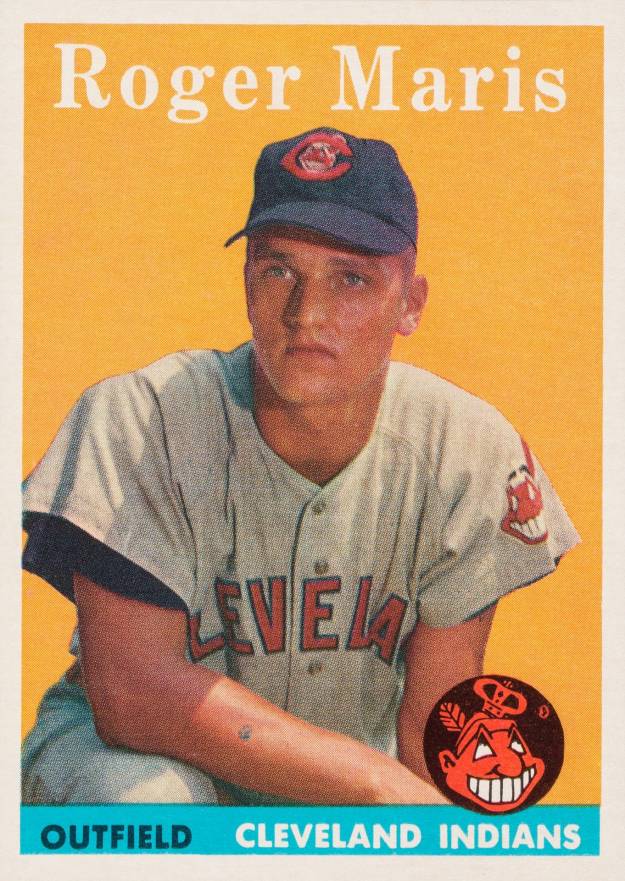
Not all Roger Maris cards are created equal. Some are as ubiquitous as a hot dog at a ballgame, while others are as elusive as a perfect game in the postseason. The crown jewel of Maris’ collecting world is undoubtedly the 1958 Topps #47 Roger Maris rookie card. This card, with its bold red and yellow design, is the gateway to Maris’ early career and a must-have for any serious collector. High-grade examples—those graded PSA 8 or higher—can fetch tens of thousands of dollars, with pristine PSA 10s occasionally crossing the $100,000 mark at auction. The scarcity of high-grade copies, combined with Maris’ legendary status, makes this card a centerpiece in any Hall of Fame-worthy collection.
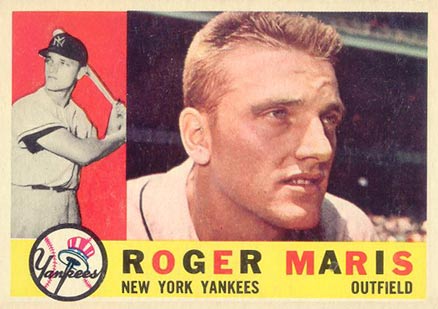
Another titan in the Maris canon is the 1960 Topps #377 Roger Maris. This card captures Maris mid-swing, his posture a study in power and precision. While not a rookie card, its design and the player’s burgeoning fame make it a fan favorite. Lower-grade copies are relatively affordable, but high-grade specimens (PSA 9 or BGS 9.5) can command prices in the five-figure range. The 1960 Topps set is notorious for its print quality issues, which means even well-centered examples are harder to find than a clean inning in a Maris-led game.
For those seeking the rarest of the rare, the 1962 Topps #280 Roger Maris “Home Run King” is a grail card that checks every box: iconic imagery, low print run, and a story tied to Maris’ historic 61st home run. Cards from this set are notorious for their off-center printing and paper quality, which means even mid-grade examples can be challenging to locate. A PSA 8 copy of this card recently sold for over $30,000, a testament to its desirability among elite collectors.
Condition is King: Grading and Authentication
In the world of vintage baseball cards, condition isn’t just important—it’s everything. A Roger Maris card in “good” condition might fetch a few hundred dollars, while the same card in “gem mint” can sell for six figures. The grading process, handled by third-party services like PSA, BGS, and SGC, evaluates factors such as centering, corners, edges, surface quality, and overall eye appeal. For Maris cards, even the slightest imperfection can drastically reduce value. A PSA 7 might look fine to the naked eye, but to a collector, it’s the difference between a solid investment and a heartbreaking letdown.
Centering is particularly critical for Maris’ cards. Many vintage cards were cut imprecisely during production, leading to off-center designs that can make or break a grade. A Maris rookie card with 60/40 centering (60% on the left, 40% on the right) might receive a PSA 5, while a perfectly centered 55/45 could earn a PSA 8. Similarly, corners and edges are scrutinized for wear, with even the faintest signs of chipping or rounding downgrading a card’s score. Surface quality is another battleground; print lines, stains, or creases can relegate a card to the bargain bin, no matter how iconic the player.
Authentication is the final frontier. Counterfeit Maris cards lurk in the shadows, preying on unsuspecting buyers. The market is rife with reprints, altered cards, and outright fakes, especially for high-value issues like the 1958 Topps rookie. Experts recommend purchasing only from reputable dealers or auction houses with ironclad guarantees. Services like PSA’s “Signature Authentication” can also verify autographs, a critical factor for Maris’ later cards, which often feature his signature in the bottom panel.
Market Trends: What’s Hot and What’s Not
The value of Roger Maris baseball cards is a living, breathing entity, shaped by trends, nostalgia, and the whims of collectors. In recent years, the market has seen a surge in demand for vintage Maris cards, driven by a combination of factors. First, the “Greatest Generation” of collectors is aging out, liquidating their prized possessions and passing the torch to younger enthusiasts. Second, the rise of online marketplaces like eBay and Heritage Auctions has democratized access to these cards, exposing them to a global audience. Third, the resurgence of interest in 1950s and 1960s baseball, fueled by documentaries, books, and the enduring legacy of players like Maris, has created a perfect storm of demand.
That said, not all Maris cards are experiencing a boom. Common issues from the 1960s, such as the 1963 Topps #125 Roger Maris, remain relatively affordable, with high-grade copies trading in the low four figures. These cards are often seen as “filler” pieces for collectors building complete sets, rather than investment-grade assets. Similarly, modern reprints and parallel inserts (like autographed or memorabilia cards) have flooded the market, diluting their appeal among purists. The key to navigating this landscape is to focus on scarcity and historical significance—properties that Maris’ early Topps and Bowman issues possess in spades.
Another trend worth noting is the growing interest in “team sets” and “player collections.” Collectors are increasingly seeking to assemble complete runs of Maris’ cards from a single year or across multiple seasons. This approach not only enhances the visual impact of a collection but also diversifies risk. If one card in the set underperforms, others may appreciate, balancing the portfolio. For example, a collector might pair a high-grade 1958 Topps rookie with a mid-grade 1960 Topps and a lower-grade 1962 Topps, creating a cohesive narrative while managing costs.
Investing in Maris: Strategies for the Savvy Collector
For those looking to turn their passion for Maris cards into a profitable venture, a strategic approach is essential. The first rule of thumb is to buy the best you can afford. A PSA 7 Maris rookie might seem like a bargain at $5,000, but a PSA 8 at $12,000 could appreciate at a faster rate, especially if market conditions shift. Grading is an investment in itself; the difference between a 7 and an 8 can mean tens of thousands of dollars in resale value down the line.
Diversification is another critical strategy. While the 1958 Topps rookie is the crown jewel, it’s wise to spread your bets across different years and card types. Consider adding a high-grade Maris autograph card, such as the 1968 Topps #330, which features his signature in the bottom right corner. Autographed cards are highly sought after, and Maris’ signature is relatively easy to authenticate compared to other legends. Additionally, look for error cards or variations, such as the 1961 Topps #340 “In Action” Maris, which features a unique action shot and is far rarer than its base counterpart.
Timing is everything in the card market. While vintage Maris cards have shown consistent appreciation, they are not immune to fluctuations. Keep an eye on auction results, industry reports, and collector forums to gauge market sentiment. For instance, the release of a major Maris biography or a high-profile auction featuring a record-setting sale can trigger a surge in demand. Conversely, economic downturns or shifts in collecting trends can lead to temporary dips. Patience is a virtue; the best Maris cards have stood the test of time, and they’re likely to continue doing so.
Beyond the Basics: Niche and Alternative Maris Cards
While the Topps and Bowman issues dominate the conversation, Roger Maris’ presence in the baseball card world extends far beyond the mainstream. Niche cards, such as regional issues, team-issued sets, and promotional releases, offer collectors a chance to own a piece of Maris’ legacy that’s off the beaten path. For example, the 1959 Kansas City Athletics team-issued Maris card is a fascinating artifact from his early career, capturing him in an Athletics uniform before his trade to the Yankees. These cards are often overlooked but can be incredibly rewarding for those who appreciate the deeper history of the hobby.
Another underrated category is post-career and memorabilia cards. After retiring, Maris remained a beloved figure, and card manufacturers capitalized on his enduring popularity. The 1972 Topps #480 Roger Maris “Highlights” is a prime example, featuring a collage of his career achievements. While not as valuable as his vintage issues, these cards are perfect for collectors who want to round out their Maris collections without breaking the bank. Similarly, modern inserts featuring game-used memorabilia or autographs can add a dynamic element to a collection, bridging the gap between past and present.
For the truly adventurous, there are the oddball and oddity cards. These include unlicensed issues, postcard sets, and even candy company promotions featuring Maris. While most lack the prestige of a Topps rookie, they offer a glimpse into the cultural landscape of the 1950s and 1960s. A prime example is the 1961 Fleer “Baseball Greats” set, which includes a Maris card alongside other Yankees legends. These cards are often affordable and can add a layer of whimsy to a collection, serving as conversation starters for fellow enthusiasts.
The Future of Maris Cards: What Lies Ahead
The market for Roger Maris baseball cards is poised for continued growth, but the path forward is not without its challenges. One of the biggest wildcards is the aging population of vintage collectors. As the Greatest Generation passes away, their collections will hit the market, potentially flooding supply and depressing prices in the short term. However, this could also create opportunities for younger collectors to acquire high-end Maris cards at more accessible price points.
Another factor to watch is the rise of digital collecting. Platforms like Topps Now and MLB’s official trading cards are introducing Maris to a new generation of fans, many of whom may eventually turn to vintage cards as they seek to connect with baseball’s rich history. The challenge for the hobby will be to bridge the gap between these digital natives and the traditional collectors who value the tactile experience of holding a 60-year-old piece of cardboard.
Ultimately, the value of Roger Maris baseball cards lies in their ability to transcend the hobby itself. They are not just collectibles; they are tangible links to a pivotal era in baseball history. Whether it’s the thrill of hunting for a gem mint rookie or the satisfaction of completing a set, Maris cards offer something for every type of collector. As long as there are fans who remember the crack of Maris’ bat in 1961, or those who dream of owning a piece of that legacy, these cards will remain cherished treasures. The key is to collect with passion, patience, and a discerning eye—because in the world of Maris cards, the home runs aren’t just on the field.