The aroma of popcorn, the sizzle of hot dogs, the overflowing nachos – attending a sporting event is a full sensory immersion, and a significant portion of that experience centers around the ubiquitous stadium snack. It’s almost a ritual, this consumption of potentially questionable food while cheering on a team. But beneath the veneer of excitement and camaraderie lies a sobering reality: a cumulative caloric intake that, when tallied over a season, can be surprisingly impactful. This is a ranking, meticulously considered, of the usual suspects found beneath those stadium concessions, assessed not just by their caloric content, but by what they reveal about our relationship with indulgence and the performative nature of sporting spectacles.
The Innocuous Beginnings: Least Calorie Offenders
Let’s begin with the “safest” choices—those that offer a modicum of nutritional value without derailing your dietary aspirations entirely. A small bag of plain popcorn, often touted as a healthy alternative, typically clocks in around 150-200 calories. It’s a voluminous snack, offering a feeling of satiety without a devastating caloric onslaught. Pretzels, similarly, present a relatively benign option, usually hovering between 100 and 150 calories for a standard serving. Their inherent saltiness also triggers a compelling craving, a physiological mechanism that drives many spectators to reach for yet another handful. And then, there’s the humble fruit cup. Usually comprising a medley of melon, grapes, and berries, it generally provides around 120-180 calories, offering a burst of natural sweetness and valuable micronutrients – a virtuous choice amidst the prevailing decadence.
The Middle Ground: Caloric Crossovers and Complexities
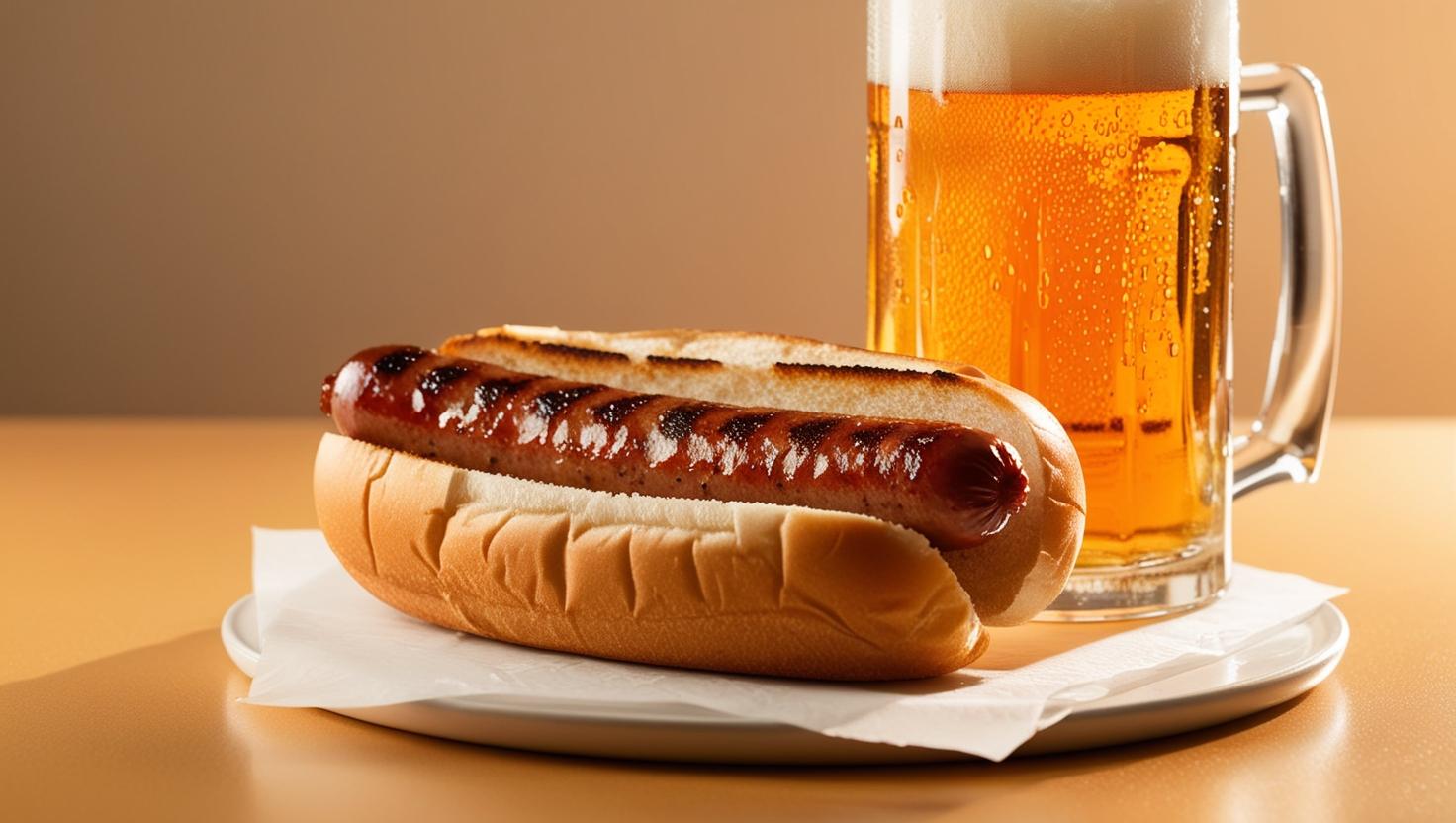
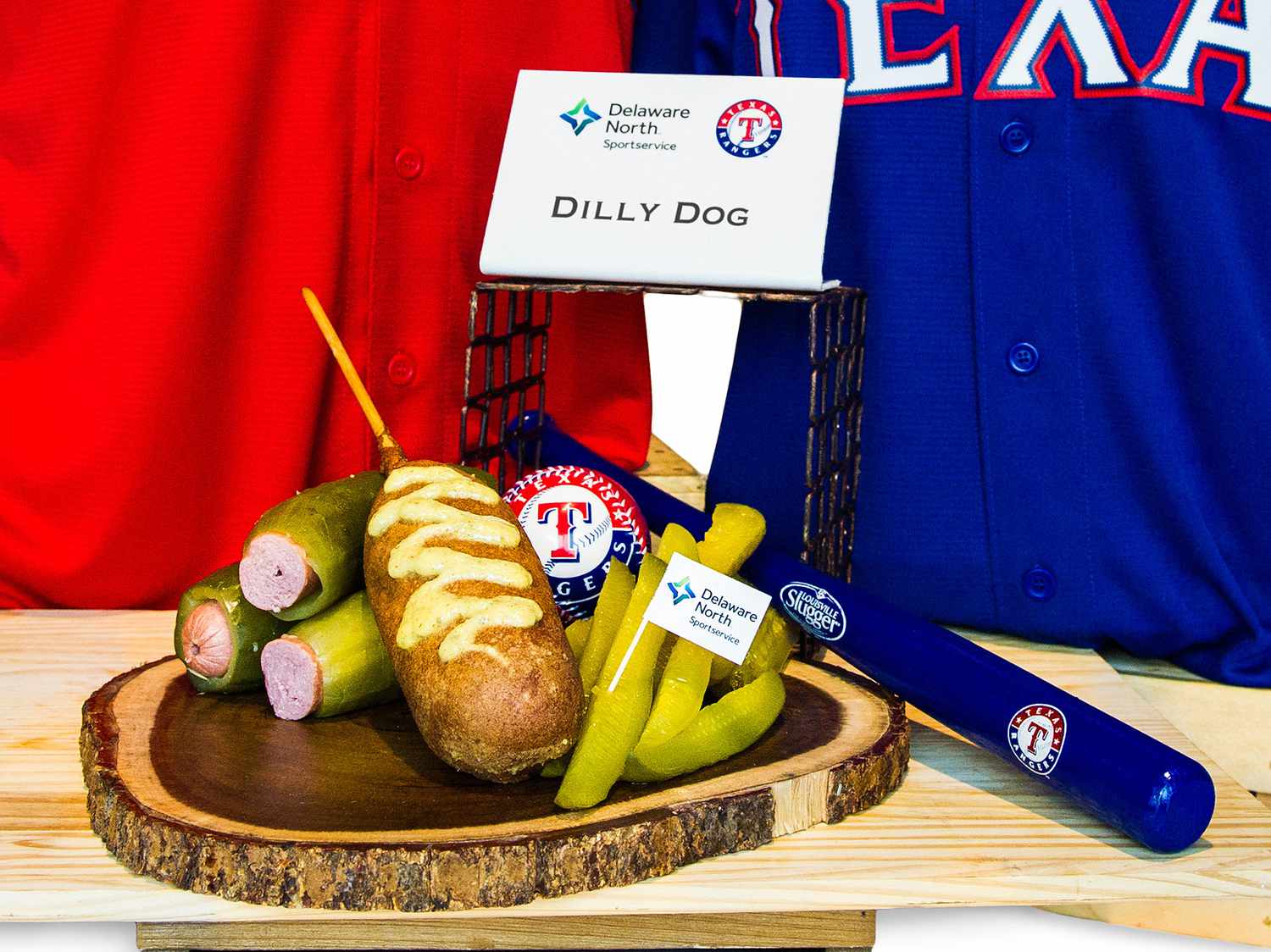
Moving up the scale introduces a zone of intriguing complexities. Consider the classic hot dog. A single hot dog, nestled in its bun and frequently adorned with condiments, represents a caloric investment of roughly 300-400 calories, depending on size and toppings. The meat’s provenance and the bread’s composition drastically alter these figures; a premium, all-beef frank will naturally weigh more heavily on the scale than a lower-cost alternative. French fries, another quintessential stadium staple, present a similar conundrum. A medium order easily surpasses 300 calories, with the real danger residing in the added salt and potentially trans fats. The inherent appeal of fried potatoes, their crispy exterior and soft interior, is deeply rooted in human preference for palatable textures and fats, a sensory reward seemingly hardwired into our palates.
The Guilty Pleasures: Moderate Caloric Risks, High Emotional Rewards
This segment marks a descent into unapologetic indulgence. Nachos, a quintessential shareable stadium snack, epitomize this category. A generously laden plate of nachos, overflowing with cheese, jalapenos, and often meat, readily clears the 600-800 calorie threshold. It’s a communal indulgence, something best enjoyed amongst friends—a bonding experience facilitated through the shared consumption of a decidedly decadent offering. Ice cream cones, especially the loaded varieties with fudge, sprinkles, and whipped cream, similarly provide significant caloric density. Beyond the simple sweetness, the creamy texture and cooling sensation tap into primal reward pathways, contributing to their irresistible appeal. The act of consuming these snacks provides a gratification beyond mere sustenance—it’s a miniature celebration of the event itself. They are a fleeting, delicious act of defiance against healthier choices.
The Apex of Indulgence: Caloric Monsters and Cognitive Dissonance
Finally, we arrive at the summit of the caloric pyramid – the snacks that actively challenge your willpower and contribute significantly to any potential dietary remorse. Giant pretzels slathered in cheese sauce, easily surpassing 1000 calories, exemplify this echelon. The sheer size and richness are overwhelming, yet the lure of cheesy goodness often proves too powerful to resist. Loaded baked potatoes, piled high with bacon, cheese, sour cream, and chives, pose a similar threat. The combination of savory, salty, and creamy flavors creates a synergy that’s profoundly addictive. Consider, too, the oversized funnel cakes – fried dough drizzled with sugary glaze – often exceeding 1200 calories for a single serving. These choices represent the culmination of the stadium snack experience – a moment of unrestrained hedonism, a deliberate rejection of restraint in the face of enthusiastic spectacle. Their popularity begs the question: are we truly driven by hunger, or by a collective desire to participate in a ritualized act of overconsumption?
The Psychology of Stadium Snacking: Beyond the Calories
The caloric rankings, while informative, only tell part of the story. Stadium snacking is more than just about filling a void; it’s intertwined with cultural expectation, social pressure, and the performative nature of fandom. The atmosphere of a sporting event, charged with excitement and communal energy, triggers a relaxation of inhibitions. The perceived anonymity within the crowd also encourages choices that might be questioned in a more controlled setting. The aroma of grilling meat, the visual cues of others indulging, and the anticipation of the game itself all contribute to a sense of heightened appetite and a diminished regard for nutritional considerations. This can be seen as a form of collective catharsis, a temporary suspension of responsibility to embrace a shared experience of unadulterated enjoyment, even if that enjoyment comes at a caloric cost. Ultimately, the choices we make at the stadium reflect a complex interplay between physiology, psychology, and the alluring power of the sporting experience.
Future Trends: Shifting Tastes and Healthier Alternatives
While the traditional stadium snack landscape may seem entrenched, emerging trends suggest a slow but steady shift towards healthier and more mindful options. Increasingly, stadiums are incorporating plant-based alternatives, gluten-free choices, and lighter fare to cater to a wider range of dietary preferences. The rise of artisan food vendors offering unique and innovative options also signifies a desire for something beyond the standard hot dog or nacho. However, it’s unlikely that the classic, calorie-laden stadium staples will entirely disappear. They are too deeply ingrained in the cultural fabric of the sporting experience—a testament to the enduring appeal of indulgence and the performative enjoyment of a shared spectacle.