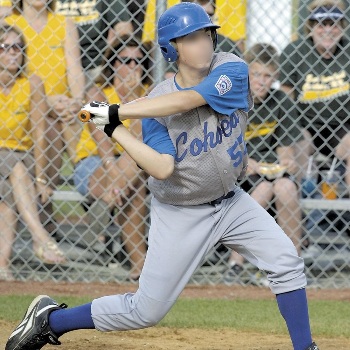
The crack of the bat sends the baseball hurtling toward the outfield, a blur of white against the blue sky. For a split second, the batter’s eyes lock onto the ball with an almost supernatural focus. This isn’t just a fleeting glance—it’s the “quiet eye,” a cognitive phenomenon where the gaze remains fixed on a critical target before the body executes a precise movement. In baseball, mastering this technique can mean the difference between a swing-and-miss and a towering home run. The “quiet eye” approach isn’t just about seeing the ball; it’s about training the mind to process visual information with surgical precision, turning milliseconds into decisive action. Whether you’re a Little Leaguer dreaming of the majors or a seasoned pro refining your craft, understanding this method could redefine how you approach the plate.
The Science Behind the “Quiet Eye”: How the Brain Locks Onto the Ball
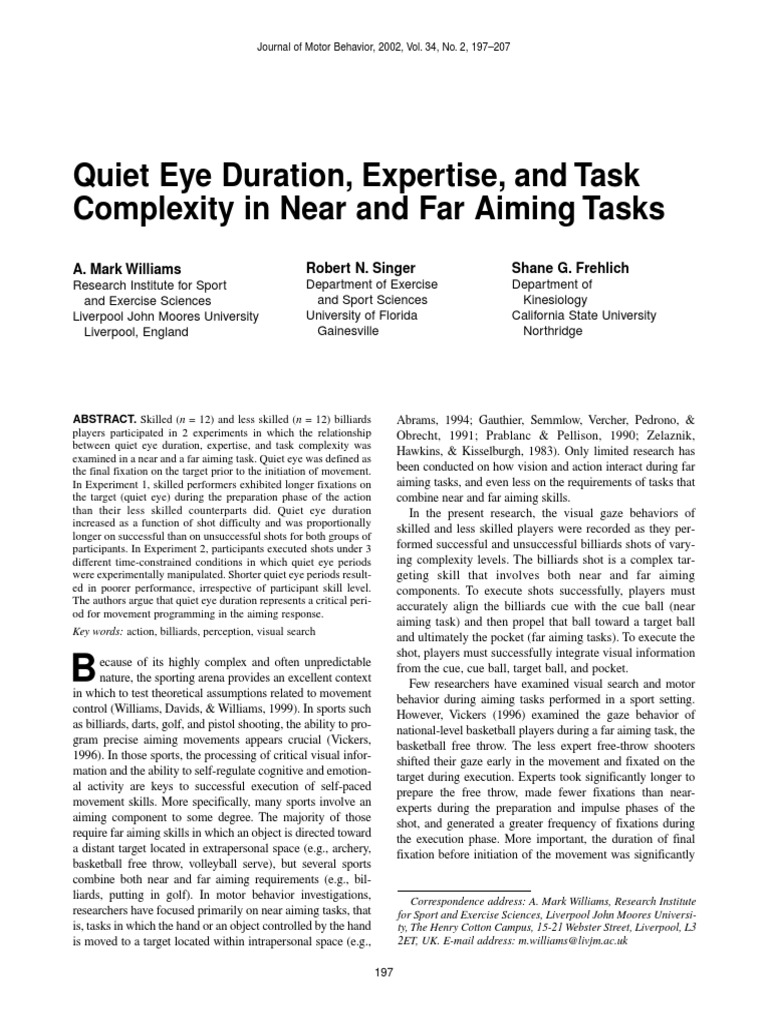
At its core, the “quiet eye” is a visual-motor strategy rooted in neuroscience. When a batter tracks a pitch, their brain doesn’t just passively follow the ball—it actively suppresses distractions, filtering out stadium noise, crowd movements, and even the pitcher’s subtle body language. This phenomenon, studied extensively in sports psychology, involves the oculomotor system synchronizing with the motor cortex to predict the ball’s trajectory. The longer the gaze remains fixed on the ball before the swing, the more accurate the prediction. Research shows that elite hitters exhibit a “quiet eye” duration of up to 200 milliseconds longer than amateurs, giving them a critical edge in timing and precision. The brain, in essence, becomes a high-speed calculator, converting visual data into kinetic energy with uncanny accuracy.
Breaking Down the “Quiet Eye” Technique: From Gaze to Swing
The “quiet eye” isn’t a static skill—it’s a dynamic process that evolves with each pitch. It begins the moment the pitcher releases the ball, as the batter’s eyes snap to the seams of the baseball, tracking its spin and rotation. The key lies in the “quiet eye onset,” the precise moment when the gaze shifts from the pitcher’s release point to the ball itself. For fastballs, this might mean focusing on the red stitching as it cuts through the air. For curveballs, the batter must adjust to the ball’s downward break, maintaining visual contact even as the pitch deviates from its initial path. The swing itself is a culmination of this visual lock, where the body’s mechanics—hip rotation, bat speed, and follow-through—are guided by the brain’s real-time calculations. The result? A swing that doesn’t just make contact but does so with optimal force and direction.
Training the “Quiet Eye”: Drills to Sharpen Your Visual Focus
Like any skill, the “quiet eye” can be honed through deliberate practice. One effective drill involves using a pitching machine set to varying speeds, forcing the batter to adjust their gaze dynamically. Another method is the “occlusion training,” where the batter practices tracking the ball with their eyes while their body remains stationary, building muscle memory for the visual sequence. Video analysis can also play a role, allowing hitters to review their gaze patterns and identify inconsistencies. For younger players, incorporating color-coded balls or targets can make the training more engaging while reinforcing the importance of visual precision. The goal isn’t just to see the ball better—it’s to train the brain to process it faster and more efficiently than the competition.
The Mental Game: Calming the Storm Before the Swing
While the “quiet eye” is a physical technique, its success hinges on mental fortitude. The pressure of a full count or a bases-loaded scenario can scatter even the most disciplined gaze. This is where mindfulness and breathing exercises come into play. By regulating their breath and centering their focus, batters can maintain the “quiet eye” even in high-stakes moments. Visualization is another powerful tool—imagining the perfect swing before stepping into the box primes the brain to execute the technique under pressure. The best hitters don’t just train their eyes; they train their minds to stay locked in, turning chaos into clarity with each pitch.
Case Studies: How MLB Stars Master the “Quiet Eye”
Take the case of a perennial All-Star like Mike Trout. His ability to track pitches with laser-like precision is no accident—it’s the result of years spent refining his “quiet eye.” Slow-motion footage reveals how his gaze remains fixed on the ball long after it leaves the pitcher’s hand, a testament to his mastery of the technique. Similarly, pitchers like Clayton Kershaw rely on the “quiet eye” not just as hitters but as observers, using their visual acuity to dissect opposing batters’ weaknesses. These athletes don’t just play the game; they study it through the lens of visual dominance, turning the “quiet eye” into a weapon that defines their careers.
Common Mistakes and How to Correct Them
Even the most skilled hitters can fall prey to “eye wander,” where their gaze drifts from the ball to the pitcher’s release or the umpire’s glove. This often leads to late swings or weak contact. Another pitfall is “premature commitment,” where the batter locks onto the ball too early, leaving them vulnerable to pitch variations. The fix? Drills that emphasize delayed gaze shifts and real-time adjustments. Recording and analyzing swing mechanics can also highlight these flaws, allowing players to course-correct before they become ingrained habits. The “quiet eye” isn’t just about seeing the ball—it’s about seeing it *right*.
The Future of the “Quiet Eye”: Technology and Innovation
As baseball continues to evolve, so too does the science behind the “quiet eye.” Wearable technology, such as smart batting helmets equipped with eye-tracking sensors, is giving players unprecedented insights into their visual habits. Virtual reality (VR) training programs simulate game scenarios, allowing hitters to practice their “quiet eye” in a controlled yet realistic environment. Even biomechanical analysis is shedding light on how subtle eye movements affect swing mechanics. The future of hitting isn’t just about strength or speed—it’s about the fusion of technology and technique, where the “quiet eye” becomes the ultimate competitive edge.
The next time you step into the batter’s box, remember: the ball isn’t just a target—it’s a puzzle, and your eyes are the key to solving it. The “quiet eye” isn’t a gimmick; it’s a gateway to unlocking your full potential as a hitter. Whether you’re chasing a championship or just trying to beat your personal best, mastering this technique could be the swing that changes everything.