The rivalry between the Boston Red Sox and the New York Yankees is one of the most storied and intense rivalries in Major League Baseball. For decades, it has captivated fans, shaped the narrative of the sport, and symbolized much more than just a contest on the diamond. However, a growing sentiment among fans and observers alike suggests that the rivalry, while still significant, “is just not the same” as it once was. This feeling is not simply nostalgia—it reflects profound shifts within the sport, the teams, and the culture that surrounds them. Exploring why this revered rivalry feels somewhat diminished today uncovers layers of emotional, historical, and contextual nuances that continue to fascinate and perplex baseball aficionados.
Historical Foundations: Why the Rivalry Was Born
The Red Sox-Yankees rivalry is deeply rooted in history, stretching back over a century. Originating in the early 20th century, it owes much of its fiery inception to the infamous “Curse of the Bambino,” the devastating moment when Boston sold Babe Ruth to New York in 1919. This event not only elevated the Yankees but seemingly cursed the Red Sox, who would endure an 86-year World Series drought. This narrative created an intense emotional investment in every matchup—each game was more than just a game; it was a symbolic struggle for pride, redemption, and supremacy.
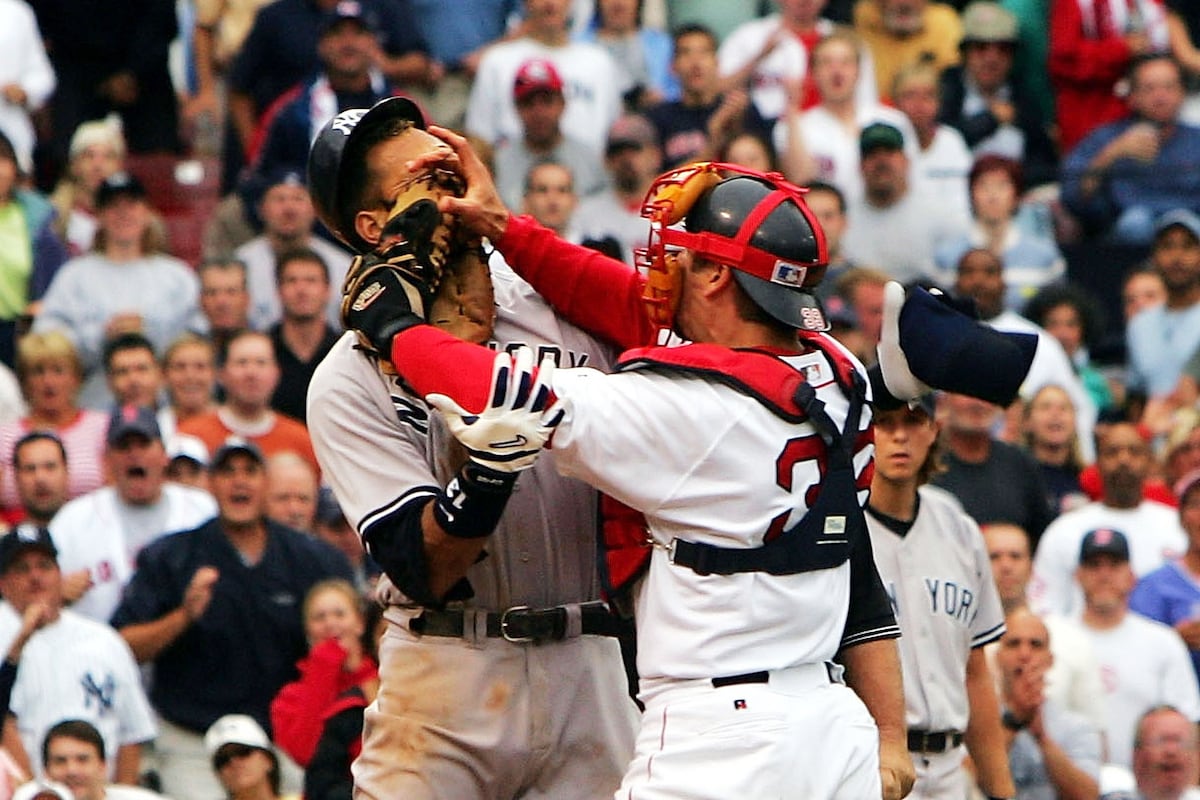
The rivalry was exacerbated by their geographic proximity and overlapping markets, which fostered a natural sense of competition for baseball dominance in the Northeast. Games between these two teams were charged, often punctuated by on-field altercations and off-field drama. This rivalry captured the popular imagination and became a staple of American sports culture.
The Mythos Versus Modern Realities
One critical reason why the rivalry feels diminished today lies in the dissonance between the mythic status the teams have acquired and the modern realities that baseball now faces. The mythology of the Red Sox and Yankees was built upon epic tales of heroism, heartbreak, and rebellion. However, as the sport modernized, so too did the nature of competition. Free agency, analytics, and a shifting economy in baseball have altered not only how teams are built but also how games unfold. The raw, unpredictable passion fueled by regional loyalties has been somewhat diluted by a more business-oriented approach.
Moreover, the 2004 Red Sox World Series victory, which finally squashed the “curse,” fundamentally altered the dynamic. The Red Sox’s breakthrough success leveled the playing field, removing much of the underdog drama that had made them such compelling antagonists. Instead of a David versus Goliath scenario, the rivalry shifted to two highly competitive juggernauts, reducing some of the emotional singularity that once defined the matchups.
Changing Fan Demographics and Engagement
The fanbase itself has also evolved, contributing to the altered tenor of the rivalry. In the early to mid-20th century, both teams drew primarily from dense local populations, where loyalty was often inherited and intertwined with civic identity. Today, with widespread national and international followings for both clubs, the rivalry has been globalized to an extent. This dispersal can reduce the intense regional pride and the palpable energy present during games.
Additionally, newer generations of fans consume baseball differently. The proliferation of digital media and on-demand sports coverage offers countless alternative narratives and distractions, which means fewer fans experience the rivalry with the focused reverence of prior decades. The immediacy and omnipresence of the sport paradoxically can dilute the specialness of these marquee confrontations.
The Impact of Player Movement and Team Construction
Modern baseball’s roster fluidity, driven by free agency, trades, and salary caps, has an undeniable impact on the rivalry’s emotional intensity. Once, legends were almost synonymous with franchises—iconic players like Ted Williams for Boston or Mickey Mantle for New York embodied their teams’ identities. Today, stars frequently change uniforms, and fan attachment often struggles to keep pace with such frequent transitions.
This shift affects the rivalry by eroding long-term personal storylines that fueled fan devotion. The intimate connection between player and fan, integral to rivalrous passion, is weakened when athletes’ affiliations are seen as more transactional than tribal. While natural rivalries still abound, the Red Sox-Yankees prism is refracted through these changes, reducing its once elemental tensions.
Broader Cultural Shifts and Evolving Narratives
Outside of baseball, the very culture surrounding sports fandom has shifted. The intense regionalism and tribalism of earlier decades have been tempered by broader social changes, including globalization and digital interconnectedness. Fans are more cosmopolitan and have myriad sport options to engage with, which diffuses the singular focus that used to be placed on particular rivalries.
Furthermore, contemporary narratives emphasize player activism, economic debates, and league-wide issues such as pace of play or labor disputes. These broader story arcs sometimes overshadow traditional rivalries, shifting attention away from historic contests to more contemporary challenges facing the sport. The Red Sox-Yankees rivalry, while still a highlight, isn’t necessarily the defining element of baseball’s cultural landscape any longer.
Enduring Fascination: Why the Rivalry Still Matters
Despite the assertions that the Red Sox-Yankees rivalry “is just not the same,” it remains a magnetic force in baseball. Its enduring allure can be attributed to the rich repository of memories, iconic moments, and the deep-seated symbolism embedded in every contest. Each meeting recalls echoes of the past, evoking narratives of struggle, redemption, and identity.
The rivalry continues to serve as an emotional touchstone, a lens through which fans explore broader themes of loyalty, competition, and perseverance. It acts not only as a sporting rivalry but as a cultural phenomenon, connecting generations of fans through its shared history and ongoing drama. Even as the game evolves, this clash remains one of baseball’s most compelling chapters, a testament to the powerful blend of sport and storytelling.
Looking Forward: Potential for Renewal
Though recent years may have tempered some of the rivalry’s blaze, there remains potential for renewal. Shifts in league structure, emergent stars, and dramatic postseason encounters could re-ignite fan fervor. Baseball’s cyclical nature means no era of dominance or intensity lasts forever, and the Red Sox-Yankees rivalry is no exception.
New storylines will emerge, redefining what the rivalry means in a contemporary context. The challenge lies in balancing respect for the historic gravity with embracing the evolving essence of the sport. When harnessed effectively, this rivalry can once again captivate the national imagination with the same visceral intensity that made it legendary.