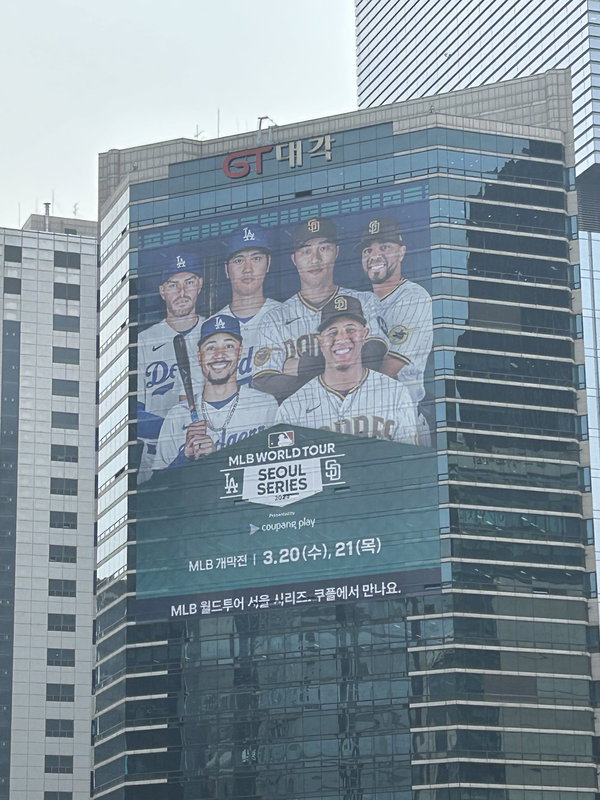
The crack of the bat, the roar of the crowd, the electric hum of a global spectacle—baseball’s most audacious experiment is underway. The Seoul Series, Major League Baseball’s inaugural foray into South Korea, isn’t just another exhibition game; it’s a tectonic shift in the sport’s cultural tectonics, a calculated gamble that promises to redefine the game’s global footprint. As the Dodgers and Padres take the field in a land where baseball isn’t just a pastime but a religion, the stakes extend far beyond the diamond. This is a narrative of ambition, adaptation, and the unrelenting pursuit of baseball’s next frontier.
The Allure of the Uncharted: Why Seoul?
Baseball’s globalization has long been a slow-burning ember, flickering in pockets of Japan, Latin America, and the Caribbean. Yet South Korea represents a different beast entirely—a market where baseball isn’t just played but worshipped, where a single game can draw over a million viewers on television, and where the KBO League stands as a testament to the sport’s deep cultural roots. The Seoul Series isn’t merely an exhibition; it’s a bridge between two baseball universes, one where the MLB’s star-studded spectacle meets the raw, unfiltered passion of a nation that breathes the game.
The choice of Seoul as the inaugural destination isn’t coincidental. The city’s infrastructure is a marvel, its fanbase is voracious, and its appetite for high-stakes sports is insatiable. But beyond the logistical allure lies a more profound question: Can baseball, a sport often criticized for its insularity, truly transcend borders without losing its soul? The Seoul Series is MLB’s answer—a gamble that the game’s universal appeal is stronger than its parochial traditions.
A Game of Two Worlds: The Clash of Styles
The Dodgers and Padres aren’t just bringing their MLB pedigrees to Seoul; they’re bringing two distinct philosophies of the game. The Dodgers, with their analytics-driven, high-octane offense, embody the modern MLB ethos—where launch angles and exit velocities dictate success. The Padres, meanwhile, represent the resurgence of a more traditional, pitcher-centric approach, where craft and guile often trump sheer power. This isn’t just a clash of rosters; it’s a collision of ideologies, a microcosm of baseball’s evolving identity.
Yet the real intrigue lies in how these styles will adapt to the Korean baseball landscape. The KBO is a league where strategy is king, where stolen bases and small-ball tactics still thrive in an era where MLB has largely abandoned them. Will the Dodgers’ power surge overwhelm, or will the Padres’ precision pitching exploit the nuances of a league that prizes fundamentals over firepower? The answer could redefine how MLB views its own tactical playbook—and whether globalization demands reinvention.
The Fan Factor: When Baseball Becomes a Cultural Phenomenon
In the United States, baseball is often seen as a nostalgic relic, a sport clinging to its past while the world moves on. But in South Korea, it’s a living, breathing entity—a cultural touchstone that unites generations. The Seoul Series isn’t just a game; it’s a pilgrimage. Fans will travel from across the peninsula, their faces painted in team colors, their chants echoing through the stadium like a battle hymn. This isn’t passive spectatorship; it’s a communal experience, a shared obsession that transcends mere entertainment.
The energy in Seoul will be electric, but it’s the intangibles that will linger. How will MLB’s stars respond to the sheer intensity of Korean fandom? Will they be moved by the sea of red jerseys, the thunderous applause at the mere sight of a home run? Baseball thrives on emotion, and the Seoul Series offers a rare opportunity to capture the raw, unfiltered passion that makes the sport so compelling. This is where the game’s soul is tested—and where its future may be forged.
The Bomb Threat and the Unbreakable Spirit of the Game
No narrative of the Seoul Series would be complete without acknowledging the shadow that loomed over it. A bomb threat, a chilling reminder of the fragility of even the most meticulously planned events, threatened to derail the spectacle before it began. Yet in the face of adversity, baseball’s resilience shone through. The show went on, a defiant declaration that the game’s spirit cannot be extinguished by fear.
This isn’t just a footnote in the story; it’s a testament to baseball’s power. In a world where sports are often politicized or weaponized, the Seoul Series stands as a symbol of unity—a reminder that, at its core, baseball is about more than wins and losses. It’s about community, perseverance, and the unyielding belief that the crack of the bat can drown out even the darkest of threats.
The Ripple Effect: What the Seoul Series Means for Baseball’s Future
The implications of the Seoul Series extend far beyond a single weekend in April. If successful, it could herald a new era of MLB expansion, with cities like Tokyo, Mexico City, and London waiting in the wings. But success isn’t guaranteed. The game must resonate culturally, not just commercially. It must prove that baseball can thrive outside its traditional strongholds without losing its essence.
Already, the signs are promising. The KBO’s popularity has surged in recent years, with young talent like Ha Seok-jin and Yang Eui-ji becoming household names. The Seoul Series could accelerate this trend, creating a feedback loop where MLB’s global reach fuels the growth of baseball in new markets—and vice versa. The potential is staggering: a truly global sport, where the best players from every corner of the world compete on the same stage.
Yet the challenge is equally daunting. Baseball’s global expansion must navigate the pitfalls of cultural appropriation, ensuring that its growth doesn’t come at the expense of the traditions that make it unique. The Seoul Series isn’t just about exporting MLB; it’s about embracing the diversity of the game itself.
The Aftermath: A New Chapter for Baseball
As the dust settles on the Seoul Series, one thing is clear: baseball will never be the same. Whether it’s the tactical innovations born from the clash of styles, the emotional resonance of a global fanbase, or the defiant spirit that overcame adversity, the impact will be felt for years to come. This isn’t just an exhibition game; it’s the first chapter of a new era.
The Dodgers and Padres may leave Seoul with a win or a loss, but the real victory belongs to the game itself. In a world where sports are increasingly homogenized, baseball has taken a bold step toward reclaiming its global soul. The Seoul Series isn’t just a promise of what’s to come—it’s proof that the game’s best days may still lie ahead.