Baseball is a sport of precision, power, and tradition—but behind every game-changing play lies an unseen world of gear that most fans never consider. The cost of baseball equipment isn’t just a line item in a team’s budget; it’s a carefully calculated investment in performance, durability, and even psychology. What separates the gear used by weekend warriors from the arsenals wielded by professionals? The answer lies not just in price tags, but in the science, craftsmanship, and sheer audacity of modern baseball technology.
The Myth of the $20 Bat: Why Pros Would Never Use It
Walk into any sporting goods store, and you’ll find aluminum bats priced like a decent dinner out. These bats, often marketed as “game-ready,” are engineered for affordability, not elite performance. Pros dismiss them outright—not because they’re bad, but because they’re fundamentally different. A $20 bat is built for compliance, designed to meet league regulations while keeping costs low. Its walls are thin, its sweet spot forgiving, and its lifespan measured in seasons rather than games.
Now, contrast that with a professional bat. These aren’t just sticks of metal or wood; they’re precision instruments, forged in high-tech facilities where every ounce of weight distribution and barrel flex is scrutinized. A top-tier bat can cost upwards of $300, but its value isn’t just in the price—it’s in the data. Engineers use high-speed cameras and impact sensors to map a bat’s acoustic properties, ensuring that when a 95-mph fastball meets the barrel, the energy transfer is maximized. The difference between a $20 bat and a $300 bat isn’t just feel—it’s physics.
Gloves That Become an Extension of the Hand
To the untrained eye, a baseball glove is just leather wrapped around padding. To a professional, it’s a second skin. The best gloves aren’t bought—they’re broken in, molded, and sometimes even slept in to achieve that buttery flexibility. But the real magic happens in the stitching. High-end gloves use kangaroo leather, prized for its tensile strength and lightweight durability. A pro’s glove isn’t just soft; it’s a living thing, evolving with every catch until it responds to a player’s touch like an extension of their arm.
Yet the cost of such craftsmanship is steep. A premium glove can run $500 or more, but the price reflects decades of tradition. Some players, like infielders, prefer smaller, quicker gloves for rapid transfers, while outfielders opt for deeper pockets to corral fly balls. The glove’s design isn’t arbitrary—it’s a tactical choice, a silent partner in every defensive play. And when a $500 glove saves a game with a diving stop, its value becomes incalculable.
The Hidden Cost of Cleats: Traction as a Weapon
Baseball cleats aren’t just shoes—they’re the interface between player and diamond, the difference between a stolen base and a slip. Pros don’t just wear cleats; they wear armor. The soles are a labyrinth of strategically placed spikes, each angle calculated to dig into the dirt at a precise moment. A single misstep can mean the difference between a sprint to first and a faceplant in the infield.
The materials tell another story. Traditional metal cleats are banned in many youth leagues due to safety concerns, but pros still swear by them for their unmatched grip. Alternatives like molded cleats sacrifice some traction for durability, but even these can cost $150 or more. The real expense, however, lies in customization. Some players have their cleats modified with orthotics or reinforced toe caps, turning a standard shoe into a personalized performance tool. In a sport where inches matter, the right cleat isn’t a luxury—it’s a necessity.
Protection That Doesn’t Sacrifice Mobility
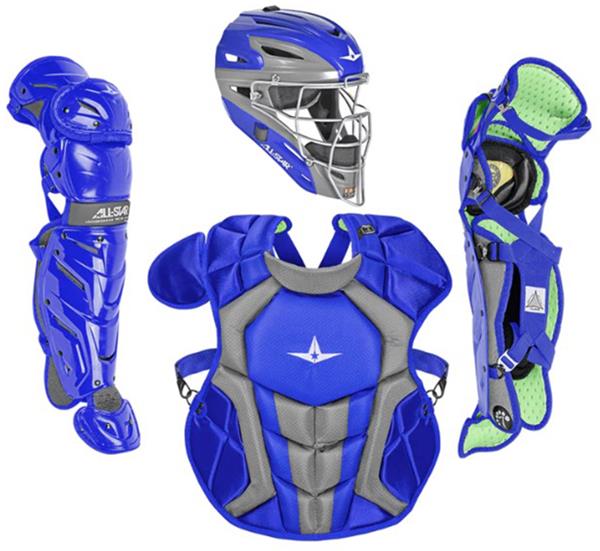
Baseball is a game of violent collisions—line drives off the bat, slides into bases, and, for catchers, the relentless barrage of foul tips. Yet the gear designed to shield players from harm is often as much about movement as it is about protection. A catcher’s mitt isn’t just padded leather; it’s a fortress with a pocket shaped to cradle a 90-mph fastball without stinging the hand. The cost? A top-tier mitt can exceed $400, but its value is measured in innings saved and fingers spared.
For position players, the focus shifts to lightweight armor. Modern batting helmets incorporate advanced foam layers that dissipate impact energy, reducing the risk of concussions. Some models even feature adjustable face guards, allowing players to fine-tune their protection without sacrificing visibility. The best helmets don’t just protect—they disappear, becoming an afterthought until the moment they’re needed most.
The Psychology of Gear: Confidence in Every Stitch
There’s a reason pros obsess over their equipment. Studies in sports psychology suggest that the right gear can boost confidence by as much as 20%. When a batter steps into the box with a bat they’ve used since their minor league days, the familiarity isn’t just comfort—it’s a psychological edge. The same goes for pitchers, who often have rituals around their glove or the way they grip the ball. Even the color of a player’s cleats can subconsciously influence their performance.
This isn’t superstition; it’s neuroscience. The brain associates certain tactile sensations with success, creating a feedback loop that enhances focus. A glove that fits like a glove, a bat that feels like an extension of the arms—these aren’t just preferences. They’re tools that prime the mind for peak performance. In a sport where mental resilience is as critical as physical skill, the right gear isn’t just an accessory. It’s a silent coach.
The Environmental and Ethical Cost of Baseball Gear
Behind the gleaming bats and polished cleats lies a less glamorous truth: the environmental and ethical footprint of baseball gear. Leather, the backbone of gloves and some cleats, is a resource-intensive material. Kangaroo leather, while prized for its durability, raises questions about sustainability and animal welfare. Meanwhile, synthetic alternatives, though cheaper and more eco-friendly, often lack the performance characteristics pros demand.
Even the metals used in bats and cleats carry hidden costs. Aluminum bats require vast amounts of energy to produce, and their production often involves mining practices with significant ecological impact. Some companies are now turning to recycled materials or exploring biodegradable composites, but these innovations come at a premium. The true cost of baseball gear isn’t just financial—it’s environmental, and the industry is only beginning to grapple with the consequences.
Conclusion: The Gear That Shapes the Game
Baseball gear is more than equipment—it’s a silent revolution. From the $300 bat that turns a line drive into a home run to the $500 glove that snags a lineout in the ninth inning, every piece plays a role in the drama of the game. The cost isn’t just in dollars; it’s in the science, the craftsmanship, and the psychology that separates amateurs from professionals.
Next time you watch a game, look beyond the players. Notice the way a batter adjusts his grip, the way a fielder’s glove seems to swallow the ball whole. These aren’t just details—they’re the hidden mechanics of a sport that’s as much about tools as it is about talent. The true cost of baseball gear isn’t what you see on the price tag. It’s the difference between a good play and a great one.