Baseball’s mound is a stage where legends are forged—not merely in the strikeouts and shutouts, but in the way a single pitch can alter the arc of history. The debate over the top 10 MLB pitchers of all time isn’t just a ranking; it’s a collision of eras, philosophies, and the sheer will to dominate. From the fireballing flamethrowers who made hitters flinch to the cerebral tacticians who outwitted them, these athletes didn’t just play the game—they redefined it. What follows isn’t just a list. It’s a reckoning with greatness, a challenge to conventional wisdom, and a promise to shift how you see the sport’s most dominant figures.
The Unbreakable Standard: Walter Johnson and the Birth of Dominance
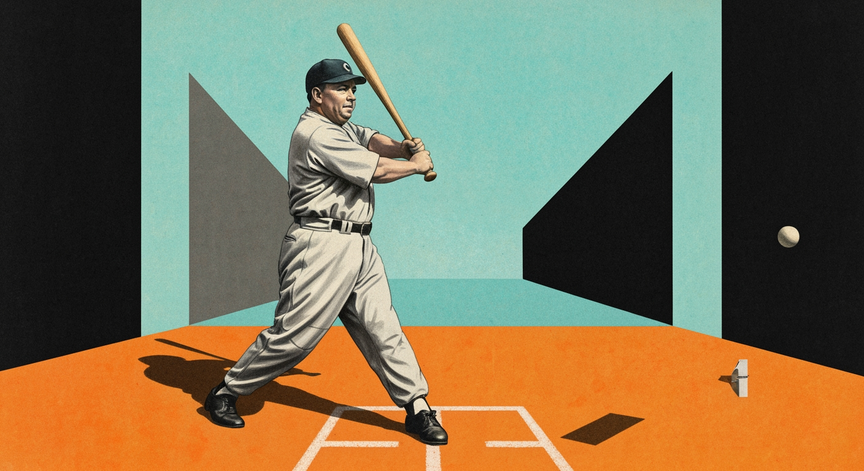
Before radar guns and advanced analytics, before the age of social media highlight reels, Walter Johnson hurled fastballs that sounded like thunderclaps to opposing batters. His 110 career shutouts remain untouched, a record so ancient it predates the modern era’s obsession with velocity. Johnson didn’t just pitch—he intimidated. His fastball, delivered with a sidearm motion that defied convention, was less a tool and more a force of nature. In an era where pitchers toiled without specialized bullpens or elaborate pitch sequencing, Johnson’s sheer endurance—over 5,900 innings—paints a portrait of a man who treated the mound like a temple of relentless precision. His legacy isn’t just statistical; it’s mythic, a reminder that dominance need not be flashy to be eternal.
Sandy Koufax: The Art of the Unrepeatable Peak
Imagine a pitcher so dominant that his prime lasted fewer seasons than most careers. Sandy Koufax didn’t just dominate—he vanished into legend. His four no-hitters, including a perfect game, weren’t just achievements; they were acts of baseball sorcery. Koufax’s fastball, paired with a curveball so devastating it seemed to defy physics, made him the anti-Johnson: less about sheer volume, more about surgical precision. His retirement at 30, due to arthritis, only amplified his mystique. Koufax’s career wasn’t long—it was a comet, brilliant and brief. Yet in those fleeting years, he redefined what it meant to be unstoppable, leaving behind a blueprint for pitchers who prioritize dominance over longevity.
Nolan Ryan: The Human Fastball Cannon
If Koufax was a comet, Nolan Ryan was a supernova—explosive, unpredictable, and impossible to ignore. Ryan’s 5,714 strikeouts aren’t just a record; they’re a gauntlet thrown at the feet of every pitcher who dares to dream of greatness. His fastball, clocked at speeds that bordered on the absurd, wasn’t just fast—it was a psychological weapon. Batters didn’t just face Ryan; they confronted the inevitability of failure. Yet for all his power, Ryan’s career was a study in paradox. He walked more batters than nearly any Hall of Famer, a flaw that underscored his all-or-nothing approach. Love him or fear him, Ryan’s legacy is a testament to the raw, unfiltered power of a pitcher who treated the strike zone like a suggestion rather than a boundary.
Greg Maddux: The Maestro of Movement and Mind Games
While Ryan relied on brute force, Greg Maddux wielded deception like a scalpel. His 18 Gold Gloves aren’t just hardware; they’re evidence of a pitcher who turned the act of throwing a baseball into an exercise in psychological warfare. Maddux didn’t overpower hitters—he outthought them. His ability to paint the corners with pinpoint control, combined with a repertoire of off-speed pitches that seemed to defy gravity, made him the anti-thesis of the modern power pitcher. In an era where velocity was king, Maddux proved that finesse could reign supreme. His 355 wins aren’t just numbers; they’re a masterclass in efficiency, a reminder that the most effective pitchers aren’t always the loudest.
Roger Clemens: The Rocket’s Relentless Ascent
Roger Clemens wasn’t just a pitcher—he was a force of nature, a man who seemed to age in reverse with every dominant season. His seven Cy Young Awards aren’t just accolades; they’re a testament to a career that spanned decades without a single year of true regression. Clemens’ fastball was a weapon, but it was his splitter—a pitch so devastating it earned the nickname “The Nail”—that made him nearly unhittable. His rivalry with hitters wasn’t just competitive; it was personal. Clemens didn’t just pitch—he declared war on the plate, a mentality that made him both revered and reviled. Love him or loathe him, his place among the greats is undeniable, a reminder that greatness often comes with controversy.
Randy Johnson: The Towering Inferno of the Mound
Standing at 6’10”, Randy Johnson didn’t just tower over batters—he loomed over the entire sport. His fastball, a blur of green and white, was less a pitch and more a meteor hurtling toward home plate. Johnson’s 4,875 strikeouts aren’t just a record; they’re a declaration of intent. He didn’t just pitch—he dominated, his sheer physical presence alone enough to unnerve even the most seasoned hitters. Yet for all his power, Johnson’s career was a study in evolution. He began as a wild flamethrower and matured into a pitcher who could command a fastball that touched triple digits. His perfect game in 2004 wasn’t just an achievement; it was a coronation, a final act in a career that redefined what it meant to be a dominant left-handed pitcher.
Pedro Martinez: The Artist of the Impossible
Pedro Martinez wasn’t just a pitcher—he was a magician, a man who made the impossible look routine. His 2000 season, where he struck out 313 batters in just 213 innings, wasn’t just dominant; it was otherworldly. Martinez’s fastball, paired with a changeup that seemed to vanish into thin air, made him a nightmare for hitters. He didn’t just outperform his peers—he made them look foolish. Martinez’s career was a masterclass in adaptability, a reminder that greatness isn’t static. He evolved from a power pitcher to a finesse artist, a transition that only added to his legend. His 3,154 strikeouts aren’t just numbers; they’re a testament to a career that defied expectations at every turn.
Cy Young: The Original Titan of the Mound
To call Cy Young a pitcher is to undersell his impact. He wasn’t just a player—he was a phenomenon, a man who won 511 games in an era where starting pitchers toiled like workhorses. Young’s longevity wasn’t just impressive; it was mythic. His 749 complete games, a record that will never be broken, speak to a time when pitchers weren’t just athletes—they were gladiators. Young’s fastball, delivered with a sidearm motion that predated modern mechanics, was a relic of a bygone era. Yet for all his statistical dominance, Young’s legacy is one of humility. He didn’t seek the spotlight; he let his performance speak for itself. In an age of specialization and analytics, Young’s career is a reminder that greatness isn’t confined to spreadsheets—it’s etched in the annals of history.
Mariano Rivera: The Unholy Trinity of the Closer
Mariano Rivera didn’t just close games—he buried them. His cutter, a pitch so devastating it seemed to defy the laws of physics, made him the most feared closer in baseball history. Rivera’s 652 saves aren’t just a record; they’re a testament to a career built on consistency. He didn’t just pitch in high-leverage moments—he thrived in them, his calm demeanor a stark contrast to the chaos around him. Rivera’s postseason dominance, where he allowed just 11 runs in 141 innings, isn’t just impressive; it’s otherworldly. He didn’t just close out seasons—he closed out eras, leaving behind a legacy that transcends statistics. Rivera’s greatness wasn’t about power or longevity; it was about the ability to make the impossible look effortless.
Clayton Kershaw: The Modern Titan’s Dilemma
Clayton Kershaw isn’t just a pitcher—he’s a paradox. In an era where velocity and spin rates dominate the conversation, Kershaw’s success is a throwback to a time when finesse and command ruled the mound. His three Cy Young Awards aren’t just accolades; they’re a testament to a career that has spanned over a decade without a single year of true regression. Kershaw’s curveball, a pitch so devastating it earned the nickname “The Hook,” is a masterclass in deception. Yet for all his dominance, Kershaw’s legacy is complicated. He’s a pitcher who has carried the weight of expectation, a man who has been both revered and scrutinized. His place among the greats isn’t just about statistics—it’s about the way he has redefined what it means to be a modern ace.