The baseball card market is experiencing a seismic shift. Prices are surging at an unprecedented pace, leaving collectors and investors alike scrambling to understand what’s driving this frenzy. It’s not just about nostalgia anymore—this is a full-blown resurgence of a hobby that many thought had faded into obscurity. But why now? What’s fueling this explosive demand, and which cards are leading the charge? Let’s dive into the top 20 hottest baseball cards right now, where the market is heating up faster than a pitcher’s fastball in the ninth inning.
The Modern Gold Rush: Why Baseball Cards Are Back in Vogue
Baseball cards have always been more than just pieces of cardboard—they’re miniature time capsules, each one a frozen moment of athletic glory. But today’s resurgence isn’t just about sentimentality. It’s a calculated investment strategy, a speculative gamble, and a cultural reset all rolled into one. The pandemic played a pivotal role, forcing people indoors and reigniting their childhood passions. Suddenly, what was once a niche hobby became a mainstream phenomenon. Social media, particularly platforms like Instagram and TikTok, amplified this revival, turning card unboxing into a viral spectacle. The result? A market where scarcity, condition, and player legacy collide to create a perfect storm of demand.
Rookie Cards: The Crown Jewels of the Hobby
No discussion of hot baseball cards would be complete without highlighting rookie cards. These are the gateways to a player’s legacy, the first official trading cards issued during their debut season. The market has seen a staggering appreciation for rookies, particularly those of young superstars who are redefining the game. Cards featuring players like Shohei Ohtani, Juan Soto, and Julio Rodríguez are fetching astronomical prices, with some selling for tens of thousands of dollars. The allure is simple: these cards represent the future of baseball, and collectors want a piece of it before the prices climb even higher.
Vintage Gems: The Timeless Allure of the Past
While rookies dominate the modern conversation, vintage cards remain the holy grail for serious collectors. Cards from the early 20th century, like the 1909-11 T206 Honus Wagner or the 1952 Topps Mickey Mantle, are not just collectibles—they’re cultural artifacts. Their value is driven by rarity, historical significance, and the sheer mystique that surrounds them. A graded 1952 Topps Mickey Mantle, for instance, recently sold for over $12 million, shattering records. The appeal of vintage cards lies in their ability to connect us to baseball’s golden eras, where legends were forged in the heat of competition.
Graded Cards: The Science of Scarcity
In a market where condition is king, graded cards have become the gold standard. Professional grading services like PSA, BGS, and SGC provide a numerical score that determines a card’s market value. A card graded 10—perfect in every way—can sell for exponentially more than its ungraded counterpart. This has led to a cottage industry of collectors who meticulously hunt for pristine copies, often paying premiums for cards that meet the strictest criteria. The psychology here is clear: a graded card is a promise of authenticity and quality, a safeguard against the pitfalls of the unregulated market.
Autographed Cards: The Personal Touch
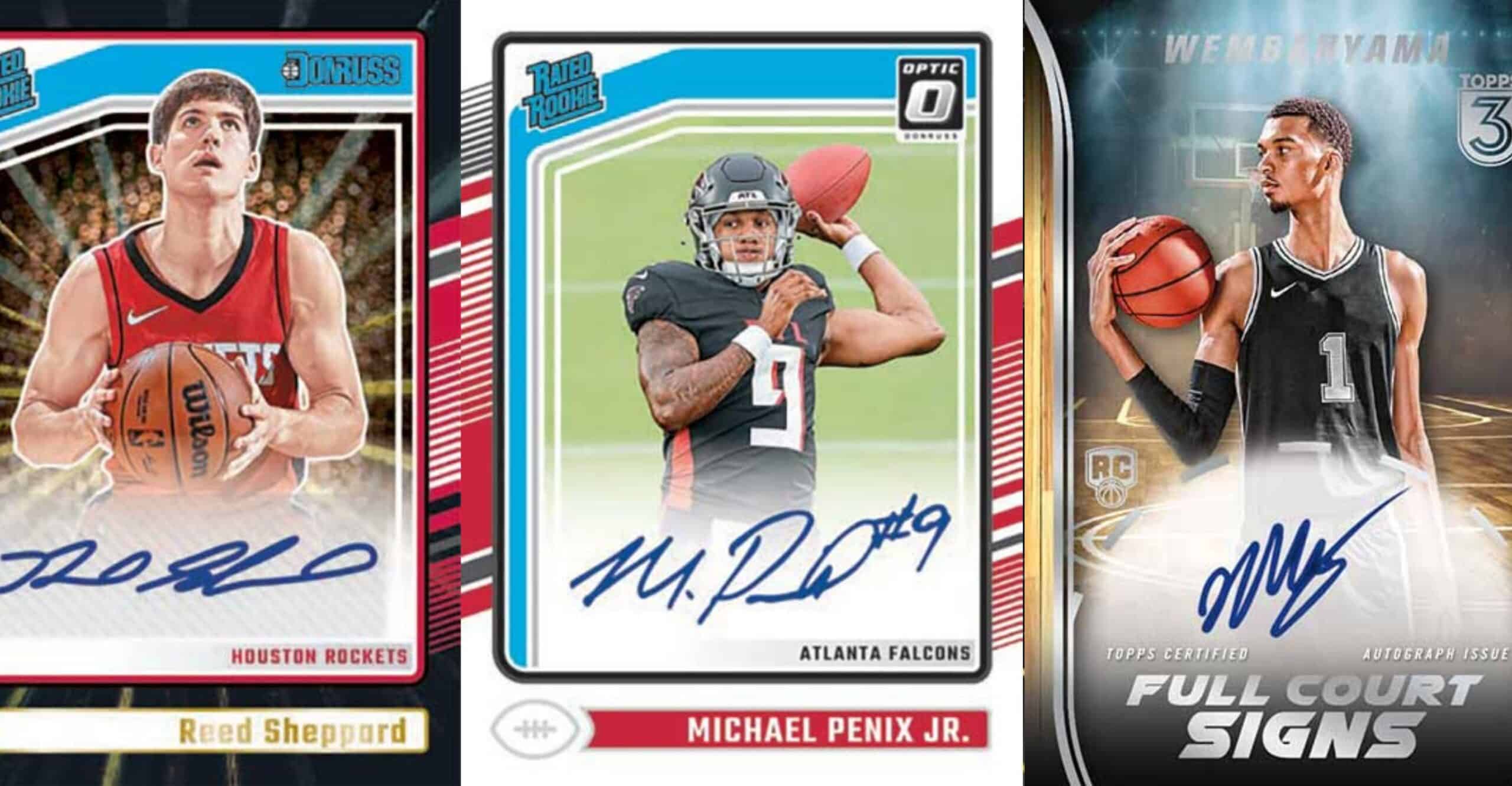
Autographed baseball cards occupy a unique space in the market. They bridge the gap between a player’s on-field performance and their off-field persona, adding a layer of personal connection. Cards signed by icons like Babe Ruth, Hank Aaron, or Derek Jeter carry a premium not just for their rarity but for the emotional resonance they evoke. Even modern autographed cards, particularly those from superstars like Aaron Judge or Mike Trout, are in high demand. The allure is undeniable: owning a piece of a player’s signature is like holding a direct link to their greatness.
The Investment Angle: Cards as Alternative Assets
Baseball cards are no longer just a hobby—they’re an investment. Financial analysts have begun treating them like alternative assets, akin to fine art or rare wines. The logic is sound: as long as the sport remains popular, the value of associated memorabilia will continue to rise. This has attracted a new wave of buyers, many of whom have no prior interest in baseball. They see cards as a hedge against inflation or a diversifier in their portfolios. The result is a market that’s more volatile than ever, where prices can swing wildly based on a single tweet or a player’s performance.
Regional Rarities: The Hidden Gems
Not all hot cards come from the major leagues. Regional issues, like those produced by minor league teams or local card manufacturers, have carved out a niche for themselves. These cards are often overlooked by mainstream collectors but can be incredibly valuable to those in the know. For example, a 1970s-era card featuring a now-forgotten minor leaguer might fetch a high price in a specific region where that player was a local hero. The thrill of discovery is part of the appeal—these cards are the baseball card equivalent of finding a rare vinyl pressing in a dusty attic.
The Role of Social Media: Virality and Value
Social media has revolutionized the baseball card market, turning obscure cards into overnight sensations. A single viral post on Twitter or TikTok can send prices skyrocketing. Platforms like eBay and COMC (Cards Online Marketplace) have also democratized access, allowing collectors from around the world to buy and sell with ease. The downside? This instant connectivity has created a market that’s as unpredictable as it is lucrative. A card that’s hot today might be forgotten tomorrow, leaving collectors to navigate a landscape where trends shift as quickly as a stolen base.
Condition Hunting: The Obsession with Perfection
For serious collectors, the hunt for the perfect card is a never-ending quest. Condition is everything, and minor flaws—a slight crease, a corner ding, or even a fingerprint—can drastically reduce a card’s value. This has led to a subculture of collectors who treat their cards like priceless artifacts, storing them in climate-controlled safes and handling them with white gloves. The irony? Many of these cards were once treated like disposable trinkets, tucked into shoeboxes or traded at school. Today, they’re worth more than some people’s cars.
The Future of the Market: What’s Next?
Predicting the future of the baseball card market is a fool’s errand, but one thing is certain: the momentum shows no signs of slowing. As long as new generations of fans continue to discover the hobby, and as long as established stars like Shohei Ohtani and Ronald Acuña Jr. keep rewriting the record books, the demand for cards will remain strong. The market may evolve—perhaps shifting toward digital collectibles or blockchain-backed cards—but the core appeal will endure. Baseball cards are more than just investments or status symbols; they’re a tangible connection to the game we love.
The surge in baseball card prices isn’t just a passing trend—it’s a cultural reset, a financial phenomenon, and a testament to the enduring power of the sport. Whether you’re a seasoned collector, a casual fan, or a savvy investor, there’s never been a better time to get involved. Just remember: the cards you buy today might be the vintage treasures of tomorrow. And in a market this hot, every second counts.