Baseball bats are more than just pieces of wood or metal swung by athletes—they are precision-engineered tools designed to optimize performance, balance, and power. The numbers etched into their barrels or handles aren’t arbitrary; they’re a cryptic language of engineering, physics, and player preference. For the uninitiated, these markings can seem like an inscrutable code, but for those who understand them, they unlock the secrets to selecting the perfect bat for a player’s style, league regulations, and even the nuances of the game itself. Whether you’re a seasoned slugger, a Little League parent, or a coach scouting talent, decoding these numbers is the first step toward mastering the art of the swing.
The Anatomy of a Bat’s Numerical Identity
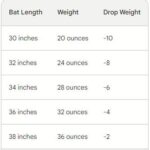
Every bat carries a series of numbers that serve as its fingerprint—each digit or pair of digits conveys critical information about its construction, intended use, and performance characteristics. The most prominent numbers typically include the length (in inches), the weight (in ounces), and the “drop” (a calculated difference between length and weight). For example, a bat marked “34/28” indicates a 34-inch length and a 28-ounce weight, while the “drop” is the numerical gap between these two values. This seemingly simple metric is a gateway to understanding how a bat will behave in a player’s hands—whether it’s a lightning-fast swing weight for contact hitters or a heavier, momentum-driven slugger’s dream.
Beyond these primary figures, bats may also feature additional markings denoting league compliance (e.g., BBCOR, USSSA, or USA Baseball stamps), material composition (alloy, composite, or hybrid), and even proprietary technologies like vibration-dampening sleeves or variable barrel designs. These numbers and symbols form a roadmap, guiding players toward bats that align with their physical attributes, playing level, and strategic goals on the diamond.
Decoding the Drop: The Silent Architect of Swing Dynamics
The “drop” is the unsung hero of bat specifications—a single number that can make or break a player’s performance. Defined as the difference between a bat’s length in inches and its weight in ounces, the drop is a direct measure of a bat’s swing weight and maneuverability. A higher drop (e.g., -10 or -12) signifies a lighter bat relative to its length, ideal for younger players or those prioritizing bat speed over power. Conversely, a lower drop (e.g., -3 or -5) indicates a heavier bat, favored by power hitters who generate force through mass rather than velocity.
Consider the physics at play: a bat with a -10 drop is easier to accelerate, allowing for quicker hands and a compact swing path—critical for making contact with high-velocity pitching. In contrast, a -5 drop bat demands more strength but rewards the hitter with a deeper barrel moment of inertia, translating to greater exit velocity on well-struck balls. The drop also influences the bat’s “balance point,” the fulcrum where the bat pivots during the swing. A bat with a lower drop tends to have a more balanced feel, while a higher drop shifts the balance toward the handle, creating a whip-like effect that can deceive pitchers with late-breaking swings.
Material Matters: How Composition Shapes Numerical Performance
The numbers on a bat don’t exist in a vacuum; they’re inextricably linked to the materials used in its construction. Aluminum alloy bats, for instance, often feature higher drops (-8 to -12) due to their lighter weight and stiffer structure, which allows for rapid acceleration. These bats are a staple in youth and high school leagues, where swing speed is paramount. Composite bats, made from layered carbon fiber and resin, offer a unique blend of responsiveness and forgiveness, with drops typically ranging from -5 to -10. Their construction dampens vibrations, reducing sting on mishits, but they often require a break-in period to reach peak performance.
Hybrid bats combine alloy barrels with composite handles, striking a balance between durability and comfort. Their drops can vary widely, but they often skew toward the middle range (-7 to -9), catering to players who need versatility without sacrificing too much power. Wooden bats, the traditional choice for professional play, eschew drops entirely in favor of weight-to-length ratios that prioritize raw feel and sound. A maple bat might weigh 32 ounces at 34 inches, yielding a de facto drop of -2, reflecting the unforgiving nature of wood where every ounce counts.
League Regulations: The Invisible Hand Guiding Bat Numbers
Not all numbers are created equal—some are dictated by the governing bodies of the sport. In college and high school baseball, BBCOR (Batted Ball Coefficient of Restitution) certification mandates a maximum drop of -3 for metal bats, ensuring they perform similarly to wood bats in terms of trampoline effect and exit velocity. This standardization levels the playing field, forcing players to rely on technique rather than bat technology to excel. Meanwhile, youth leagues like USSSA and USA Baseball impose their own drop limits (often -10 to -13.5) to protect developing players from overloading on heavy bats that could hinder their growth or swing mechanics.
These regulations aren’t arbitrary; they’re rooted in safety and fairness. A bat with an excessively low drop in youth play could lead to improper mechanics, increasing the risk of injury or reinforcing bad habits. Conversely, professional leagues like MLB have no drop restrictions for wood bats, but the weight-to-length ratio is still a critical factor in a player’s selection process. The numbers here become a silent arbiter of compliance, ensuring that the game remains both competitive and safe across all levels.
Beyond the Numbers: The Human Element of Bat Selection
While the numbers provide a scientific foundation, the art of bat selection ultimately hinges on the player’s intuition and physicality. A 6-foot-2, 200-pound power hitter might gravitate toward a -3 drop bat to maximize leverage, while a 5-foot-8, 140-pound contact hitter could thrive with a -10 drop for lightning-fast hands. The grip circumference, barrel diameter, and even the bat’s color can subtly influence a player’s confidence at the plate. Some hitters swear by the “heft test”—swinging multiple bats to gauge which feels like an extension of their arms rather than a separate tool.
It’s also worth noting that the numbers on a bat don’t account for intangibles like sound and feel. The crisp “crack” of a well-hit wood bat is a sensory experience that alloy and composite bats can’t replicate, yet the latter’s forgiving nature might outweigh this nostalgia for many players. The psychological aspect of bat selection is often overlooked, but it’s a crucial factor in a hitter’s consistency. A bat that feels “right” can boost confidence, while one that feels cumbersome can erode even the most refined swing mechanics.
Future Trends: Where Bat Numbers Are Headed
The evolution of bat technology is a relentless march toward optimization, and the numbers we see today may soon be relics of a bygone era. Emerging materials like graphene-infused alloys promise lighter, stronger bats with even more precise drop calculations. Smart bats equipped with sensors are already hitting the market, providing real-time data on swing speed, launch angle, and impact location—turning the abstract numbers on a bat into actionable insights. These innovations could democratize bat selection, allowing players to fine-tune their equipment based on empirical data rather than trial and error.
Regulatory bodies are also adapting, with ongoing debates about the balance between performance and safety. Some propose stricter drop limits for youth bats to prevent over-specialization, while others advocate for hybrid materials that blend the responsiveness of composites with the tradition of wood. As the game evolves, so too will the language of bat numbers—a testament to the enduring interplay between science, sport, and the human spirit.