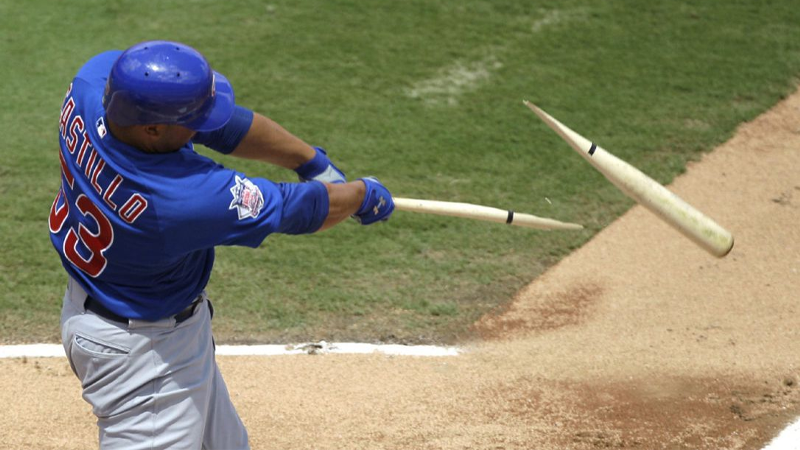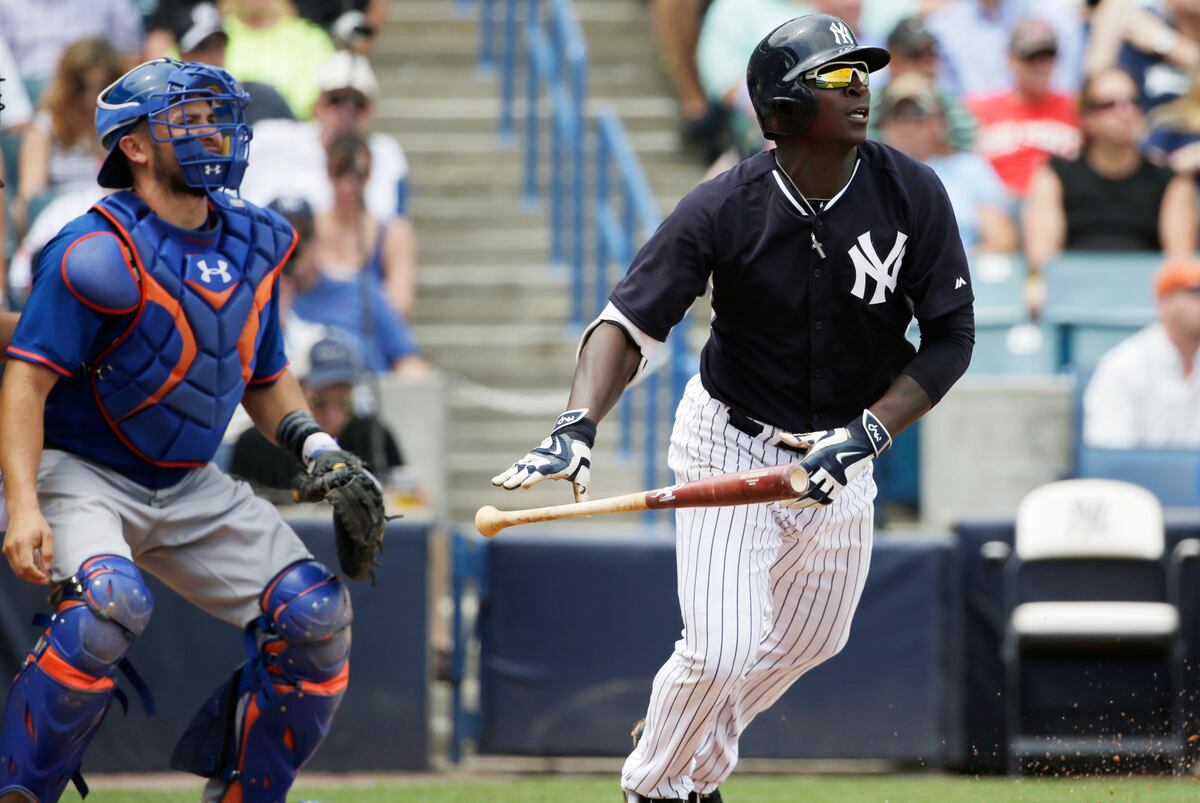
Imagine stepping into the batter’s box with the weight of a thousand eyes upon you, the crack of the bat echoing like a gunshot in the cavernous expanse of the stadium. The pitcher, a coiled serpent, rears back with malicious intent, while you stand there—poised, calculating, a sculptor wielding a bat instead of chisel. What does it take to carve out a “perfect” game as a hitter? Is it merely the absence of failure, or is there a hidden alchemy of mechanics, mindset, and sheer audacity that separates the titans from the also-rans? Let’s dissect the anatomy of elite batting, where every swing is a thesis, every hit a masterpiece, and every strikeout a tragedy in three acts.
The Geometry of a Perfect Swing: Where Art Meets Physics
A perfect swing isn’t born—it’s engineered. The elite hitter doesn’t just react; they choreograph. Picture the kinetic chain: from the ground up, the lower body initiates the torque, the hips twist like a corkscrew, and the torso follows in a domino effect of controlled violence. The hands, those delicate instruments of destruction, lag just enough to generate whip-like speed, converting rotational energy into a bullet that leaves the bat at 110 mph. But here’s the twist: the perfect swing isn’t just about power. It’s about precision. The barrel of the bat must intersect the pitch’s plane at the exact millisecond the ball arrives, with the sweet spot—a region no larger than a quarter—making contact. Miss by an inch, and the ball sails foul or dribbles weakly to the infield. Hit it just right, and it’s gone, a white comet streaking into the night sky.
Yet, the geometry doesn’t end there. The launch angle is the silent assassin of mediocrity. Too low, and the ball stays on the ground, a grounder to the shortstop. Too high, and it’s a lazy flyout. The sweet spot? Between 10 and 30 degrees, depending on the pitch’s velocity and movement. The best hitters don’t just aim for contact; they aim for the stratosphere, turning line drives into tape-measure homers and grounders into infield singles that skitter past the charging third baseman. It’s a ballet of angles, a symphony of force vectors, all culminating in that singular, sublime moment of impact.
The Mental Chessboard: Reading Pitches Like a Grandmaster
If the swing is the sword, then the mind is the scabbard—protecting, guiding, and striking with precision. Elite hitters don’t just see the ball; they *read* it. A 95-mph fastball isn’t just a blur—it’s a story unfolding in fractions of a second. The seams spin, the pitcher’s grip shifts, the release point wavers. The hitter’s brain, honed by thousands of pitches, decodes these clues like a cryptographer unraveling a cipher. Is it a four-seam fastball with late life? A slider that’s going to hang over the plate? A changeup that’s diving into the dirt? The perfect hitter doesn’t guess. They *know*—or at least, they know enough to make the odds tilt in their favor.
But here’s the cruel irony: the more you know, the more you realize how little you know. Pitchers, those sly architects of deception, are constantly innovating. They mix in sliders that look like fastballs, changeups that mimic the latter’s spin, and curveballs that seem to defy gravity. The hitter’s challenge is to stay one step ahead, to anticipate without overcommitting. It’s a high-stakes game of cat and mouse, where a millisecond of hesitation can mean the difference between a line drive and a swinging strikeout. The best hitters don’t just react—they *dictate*. They force the pitcher into a corner, making them throw the pitch they least want to throw, then punishing it with surgical precision.
The Art of Failure: Why Even the Greats Strike Out
Perfection is a myth, especially in a game where failure is the default. Even the greatest hitters in history—men like Ted Williams, whose .406 batting average in 1941 still stands as a monument to human excellence—failed more often than they succeeded. A .300 batting average is hallowed ground, yet it means the hitter failed 70% of the time. So what separates the .300 hitter from the .250 hitter? It’s not just skill. It’s resilience. It’s the ability to stare into the abyss of a slump and emerge with the same swagger, the same unshakable belief that the next pitch is the one they’ll drive into the stratosphere.
The psychology of hitting is a labyrinth of doubt and defiance. The hitter steps into the box after a strikeout, and the voice in their head whispers, *You’re due for a hit.* They foul off a tough pitch, and the crowd roars, but the hitter knows—this is just another battle in a war they’ve waged for years. The perfect game, then, isn’t about avoiding failure. It’s about embracing it, learning from it, and using it as fuel for the next at-bat. The greats don’t dwell on their misses. They dissect them, adjust, and come back harder. It’s a cycle of destruction and rebirth, where each strikeout is a lesson, and each hit is a temporary reprieve from the chaos.
The Unseen Variables: Luck, Timing, and the Baseball Gods
No discussion of elite hitting would be complete without acknowledging the role of luck—a capricious, often cruel mistress who decides the fate of even the most meticulously crafted swings. A line drive that finds a glove? Luck. A bloop single that drops between two fielders? Luck. A homer that just clears the fence by inches? Luck, pure and simple. The best hitters understand this. They know that even their most perfect swings are subject to the whims of fate. A hitter can do everything right—read the pitch, time the swing, drive the ball—but if a fielder makes an improbable play, it’s all for naught.
Yet, luck isn’t entirely random. It favors those who put themselves in position to capitalize on it. The hitter who consistently puts the ball in play increases their chances of benefiting from a defensive misplay. The one who chases pitches out of the zone? They’re playing a rigged game where luck is the house’s ally. Timing, too, is a fickle partner. A hitter might time a pitch perfectly, only for a gust of wind to carry the ball foul. Or they might be slightly early, and the pitch that was a home run in the simulator becomes a harmless flyout. The perfect game, then, is as much about controlling what you can as it is about surrendering to what you can’t.
The Evolution of Hitting: From Deadball to Launch Angle
Baseball is a sport of eras, each defined by its approach to hitting. The Deadball Era favored contact and small ball, where a .300 average was a superstar’s benchmark. Then came the Steroid Era, where brute force reigned supreme, and 500-foot homers became the norm. Today, we live in the age of the launch angle revolution—a movement that prioritizes optimal exit velocity and trajectory over traditional metrics like batting average. The modern hitter is a hybrid: part scientist, part artist, part statistician. They study exit velocity charts like generals poring over battle plans, and they adjust their swings based on data that would baffle Ty Cobb.
But evolution isn’t linear. The pendulum swings back and forth. As pitchers adapt to the launch angle craze with increased velocity and movement, hitters must adapt in turn. The perfect game of tomorrow may look nothing like the perfect game of today. Perhaps it will involve AI-driven swing analysis, real-time biomechanical feedback, or even genetic enhancements. One thing is certain: the pursuit of perfection is endless. The game will always demand more, and the hitters who rise to the challenge will be those who can blend artistry with analytics, instinct with innovation.