The crack of the bat, the roar of the crowd, the tension that hangs thick in the air like the scent of popcorn and sunscreen—baseball is a game of moments, each one a heartbeat in the symphony of the season. But what happens in the half-hour before the first pitch? That’s when the stage is set, the players become actors in a carefully choreographed drama, and the unspoken rules of the game begin to unfold. It’s a time of rituals, of quiet intensity, of last-minute adjustments that could mean the difference between a flawless inning and a blunder that echoes through the stands. So, what really goes on in those 30 minutes? Let’s pull back the curtain on the backstage of baseball’s most pivotal prelude.
The Arrival of the Protagonists: Players and Their Pre-Game Rituals
Long before the umpire’s voice booms through the stadium, the players arrive—not as the heroes the crowd will cheer for, but as individuals navigating the delicate balance between focus and superstition. Some step out of the clubhouse in near-perfect synchronization, their cleats clicking against the concrete like a metronome counting down to war. Others linger, adjusting their gloves with the precision of a watchmaker, their routines as sacred as a monk’s prayers. A veteran might kneel to touch the foul line, a silent homage to the ghosts of seasons past. A rookie, wide-eyed and gripping his bat like a lifeline, might take extra swings in the cage, as if each crack of the ball could ward off the jitters.
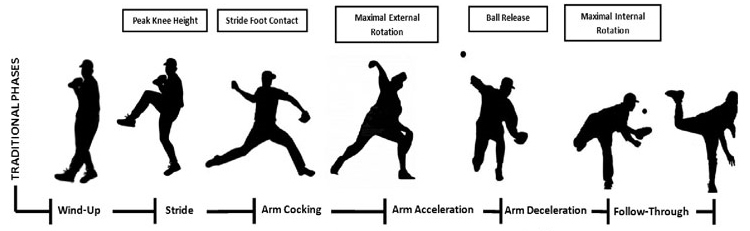
Pitchers, the game’s most enigmatic figures, are often the last to emerge. They move with a deliberate slowness, their bodies coiled like springs, their eyes scanning the field as if memorizing every divot in the dirt. The catcher, their shadow and confidant, crouches nearby, glove open like a second heart, ready to receive the first warm-up toss. These moments are less about warming up the body and more about calibrating the mind—a pitcher’s ritual might include a specific number of throws, a particular sequence of stretches, or even a whispered mantra to drown out the noise.
The Field Transformed: Groundskeepers and the Art of the Canvas
While the players are still in their cocoon of concentration, the field undergoes a subtle metamorphosis. The groundskeepers, unsung artists of the diamond, work in quiet harmony, their tools humming like the strings of a finely tuned instrument. The infield skin is meticulously dragged, its surface smoothed to a near-frictionless sheen, ensuring that a ground ball will either dance like a leaf on water or skid like a bullet, depending on the pitcher’s whim. The grass is trimmed to military precision, its stripes a geometric poem that frames the batter’s box like a stage.
But the real magic happens in the bullpens. Here, relievers toss lazy arcs of the ball, their arms loose but their eyes sharp, scouting the opposing lineup like generals studying a battlefield map. A closer might fire a few fastballs into the catcher’s mitt, each one a rehearsal for the moment when the game hangs in the balance. The bullpen’s rhythm is a counterpoint to the main field’s tension—a place where failure is private, where the only audience is the catcher’s glove and the echo of the ball in the night.
The Umpire’s Domain: Rules, Rituals, and the Weight of Authority
Amidst the flurry of activity, the umpires stand apart, their black uniforms a stark contrast to the vibrant chaos around them. They gather in a tight circle, their heads bent in conference, their voices low but authoritative. This is where the game’s invisible laws are reinforced—the strike zone is redefined, the nuances of a balk are debated, the boundaries of fair play are etched into the collective memory. An umpire might adjust his stance, shifting his weight from foot to foot, as if psyching himself up for the avalanche of calls to come.
One umpire, the crew chief, takes charge of the plate, his stance a study in balance. He crouches slightly, his eyes locked on the pitcher’s release point, his fingers twitching in anticipation. The other umpires spread out, their gazes sweeping the field like searchlights, ready to call a runner out by a whisker or a batter safe by a mile. Their presence is a reminder that baseball is not just a game of skill but a game of interpretation, where a millimeter can mean the difference between glory and ignominy.
The Crowd Awakens: Anticipation and the First Whiff of Drama
As the clock ticks closer to first pitch, the crowd begins to stir. The early arrivals, those who’ve staked their claim in the bleachers hours ago, now stretch their legs and crane their necks toward the dugouts. Vendors weave through the aisles, their trays of peanuts and Cracker Jacks a siren song for the hungry. The smell of hot dogs and nachos mingles with the sharp tang of sunscreen and the earthy aroma of the field, creating a sensory cocktail that signals the game is near.
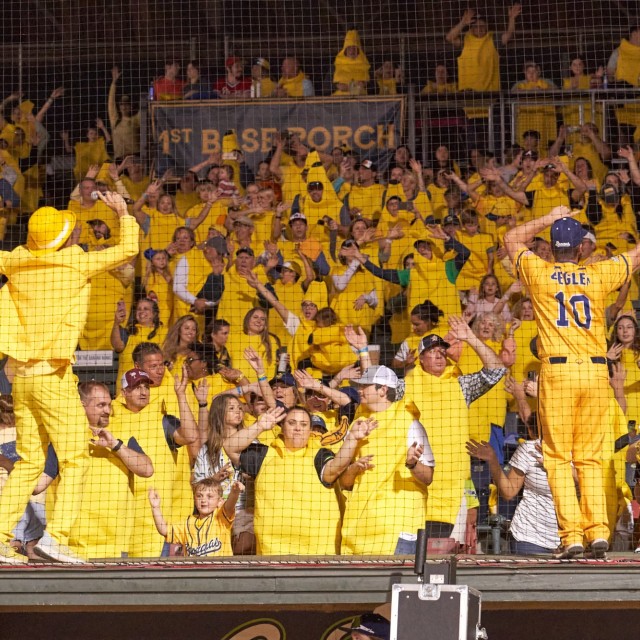
But the real drama unfolds in the stands. A child tugs at a parent’s sleeve, pointing at a player’s autograph book. A group of friends debates the starting lineup, their voices rising in excitement or skepticism. A lone fan in the upper deck stands, arms raised, leading a chant that swells like a tide. The noise is a living thing, a pulse that quickens as the players take their positions. And then—silence. The crowd holds its breath, as if collectively realizing that in just a few moments, everything will change.
The Final Countdown: The Last Moments Before the First Pitch
The final minutes before first pitch are a study in controlled chaos. The public address announcer’s voice crackles over the speakers, a sonorous prelude to the anthem. The players, now fully emerged from their sanctuaries, stand in formation—outfielders jogging lazy laps, infielders taking grounders with the precision of a Swiss watch. The manager, clipboard in hand, surveys the scene with the eyes of a general surveying his troops. A coaching staff huddles near the dugout, their voices a low murmur of last-minute adjustments.
And then, the anthem. The crowd rises, hands over hearts, voices swelling in unison. The flag snaps in the breeze, a symbol of the nation’s pastime. For three minutes, the world stops. Then, the crack of the bat in the on-deck circle—a sound that slices through the silence like a blade. The first batter steps into the box, his bat held high, his eyes locked on the pitcher. The umpire barks, “Play ball!” and the game begins.
But in those 30 minutes before the first pitch, something magical has already happened. The stage is set. The players are ready. The crowd is alive. And the story of the game has already begun to unfold—one ritual, one whisper, one heartbeat at a time.