The crack of a bat, the thwack of a glove, the rhythmic hum of a crowd—baseball is a symphony of tradition. Yet behind every pitch and every swing lies a hidden cost, one that extends far beyond the ticket price or the hot dog in your hand. The equipment of Major League Baseball isn’t just gear; it’s a meticulously engineered ecosystem, where innovation meets craftsmanship, and where the price tag reflects decades of evolution, regulation, and uncompromising standards. To understand why MLB equipment costs more than you think, you must look beyond the surface, into the intricate dance of science, labor, and legacy that defines the game.
The Anatomy of a Bat: More Than Just Wood
A baseball bat isn’t merely a piece of lumber—it’s a precision instrument, sculpted from a single block of wood, often ash or maple, chosen for its density and grain consistency. The selection process alone is a science: scouts evaluate trees for years, monitoring growth patterns, moisture content, and structural integrity. Once felled, the wood undergoes kiln drying to prevent warping, then is cut into billets and turned on lathes with surgical precision. The barrel’s sweet spot, the taper’s balance, the handle’s flex—every contour is designed to optimize performance. But here’s the catch: not every billet survives the journey. Rejection rates hover around 30%, meaning three trees are sacrificed for every usable bat. Add to that the cost of certification (MLB-approved stamps require rigorous testing), and you begin to see why a single bat can command hundreds of dollars. It’s not just wood; it’s a gamble on perfection.
Gloves: The Art of Leather and Longevity
A baseball glove is a paradox—a supple, glove-like structure that must withstand the brutal impact of a 95-mph fastball yet remain pliable enough to cradle a bunt. The leather, typically steerhide or premium cowhide, is tanned using methods that date back centuries, but modern treatments involve chemical baths and mechanical stretching to achieve the ideal break-in period. The stitching? Hand-stitched by artisans who train for years to master the craft. A single glove can take 10–15 hours to construct, with each stitch reinforcing the pocket’s shape. Yet the real expense lies in the break-in process. Players often spend weeks conditioning their gloves with oils and mallets, a ritual that’s as much about performance as it is about personalizing the tool to their hand. The result? A glove that costs $300–$500 but lasts a decade—if treated with care. Durability, in baseball, is a luxury.
The Hidden Costs of Helmets and Protection
Safety in baseball isn’t optional, and the gear reflects that. A batting helmet isn’t just a plastic shell; it’s a composite structure with layers of foam and reinforced polymers designed to dissipate the force of a 100-mph pitch. The certification process (ASTM F1885, NOCSAE) involves drop tests, impact simulations, and even temperature conditioning to ensure performance in all conditions. Then there’s the facemask, a lattice of steel or titanium that must balance protection with visibility. The materials alone—high-grade alloys, shock-absorbing gels—drive up costs. Add in the customization (team logos, player preferences) and the need for frequent replacements (helmets degrade over time), and you’re looking at a $200–$400 investment per player. Protection isn’t cheap when failure isn’t an option.
The Science Behind the Ball: A Spherical Marvel
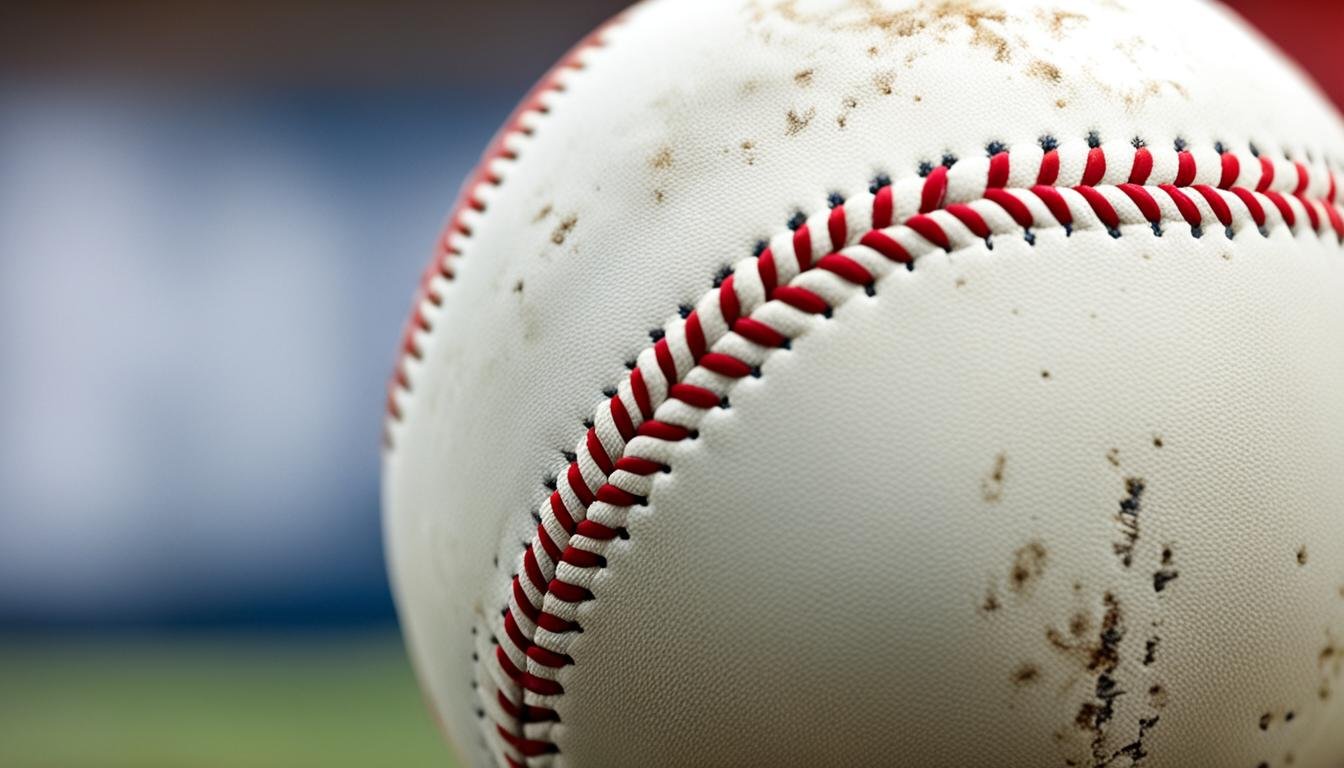
At the heart of every pitch is the baseball itself—a deceptively simple sphere of cork, rubber, yarn, and leather, stitched together with 108 stitches of waxed red thread. But the construction is anything but simple. The cork core is precision-molded, the yarn layers are wound under tension to achieve the correct density, and the leather is cut with laser-like accuracy. The stitching? Done by hand in a process that takes nearly an hour per ball. MLB uses roughly 1.2 million balls per season, and each one is inspected for weight, circumference, and bounce consistency. The slightest deviation can alter a game. The cost? Around $7 per ball when purchased in bulk—but when you consider the R&D behind the design (including the shift from horsehide to cowhide in 1974), the price starts to make sense. A baseball isn’t just a ball; it’s a controlled explosion waiting to happen.
The Supply Chain: A Global Web of Scarcity
Baseball equipment isn’t mass-produced in a single factory. The wood for bats comes from Pennsylvania and New York. The leather for gloves is tanned in Kansas and Texas. The yarn for balls is sourced from New Zealand. The stitching thread? Japan. The supply chain is a fragile web, vulnerable to climate change (droughts affect ash tree growth), geopolitical tensions (steerhide shortages), and even pandemics (factory shutdowns delay production). When a single component becomes scarce—like the ash wood crisis of 2019, when the emerald ash borer devastated forests—the ripple effects are immediate. Prices surge. Alternatives are tested (maple bats became dominant after ash shortages). The result? A market where scarcity dictates cost, and where the price of a bat or glove isn’t just about materials—it’s about survival.
The Human Factor: Craftsmanship in a Mass-Produced World
In an era of automation, baseball equipment remains stubbornly artisanal. Glove makers like Rawlings and Wilson employ master craftsmen who spend years apprenticing before they’re allowed to stitch a single pocket. Bat turners, often third- or fourth-generation artisans, hand-shape each piece, knowing that a miscalculation can ruin a billet worth hundreds of dollars. Even the yarn for baseballs is spun in facilities where workers have honed their skills over decades. This human touch isn’t just tradition—it’s a necessity. Machines can replicate precision, but they can’t replicate the intuition of a craftsman who knows, by touch alone, when a glove is ready to be broken in. The cost of this expertise? Embedded in every stitch, every curve, every ounce of weight. It’s the price of keeping the game’s soul intact.
The Unseen Tax: The Cost of Obsolescence
Baseball equipment isn’t built to last forever—it’s built to be replaced. Bats crack. Gloves wear out. Helmets get dented. The average MLB player goes through 10–15 bats per season. A catcher’s gear set is replaced every 2–3 years. This isn’t waste; it’s evolution. Manufacturers tweak designs annually, introducing new materials, new shapes, new technologies. The 2023 bat models were different from the 2022s, just as the 2024s will differ from the 2023s. Players chase these innovations, discarding last year’s gear for the promise of a better swing. The result? A cycle of consumption where the cost isn’t just in dollars—it’s in the constant pursuit of an edge. The game moves forward, and so does the price tag.
The Legacy of the Game: Why Tradition Costs Extra
Baseball isn’t just a sport; it’s a museum piece. The rules, the fields, the equipment—all are preserved with a reverence that borders on the sacred. A bat must resemble the ones used in the 1920s. A glove must have the same shape as those from the 1950s. The stitching on a baseball must match the one that was used in the 1970 World Series. This isn’t nostalgia; it’s continuity. The MLB doesn’t just sell equipment—it sells a connection to the past. The cost of maintaining that connection? Higher than you’d expect. When you buy a bat or a glove, you’re not just buying a tool—you’re buying a piece of history. And history, as they say, doesn’t come cheap.