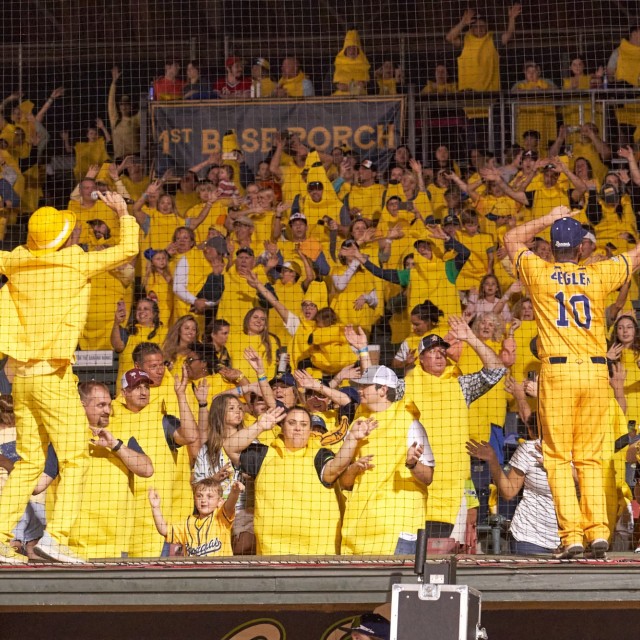
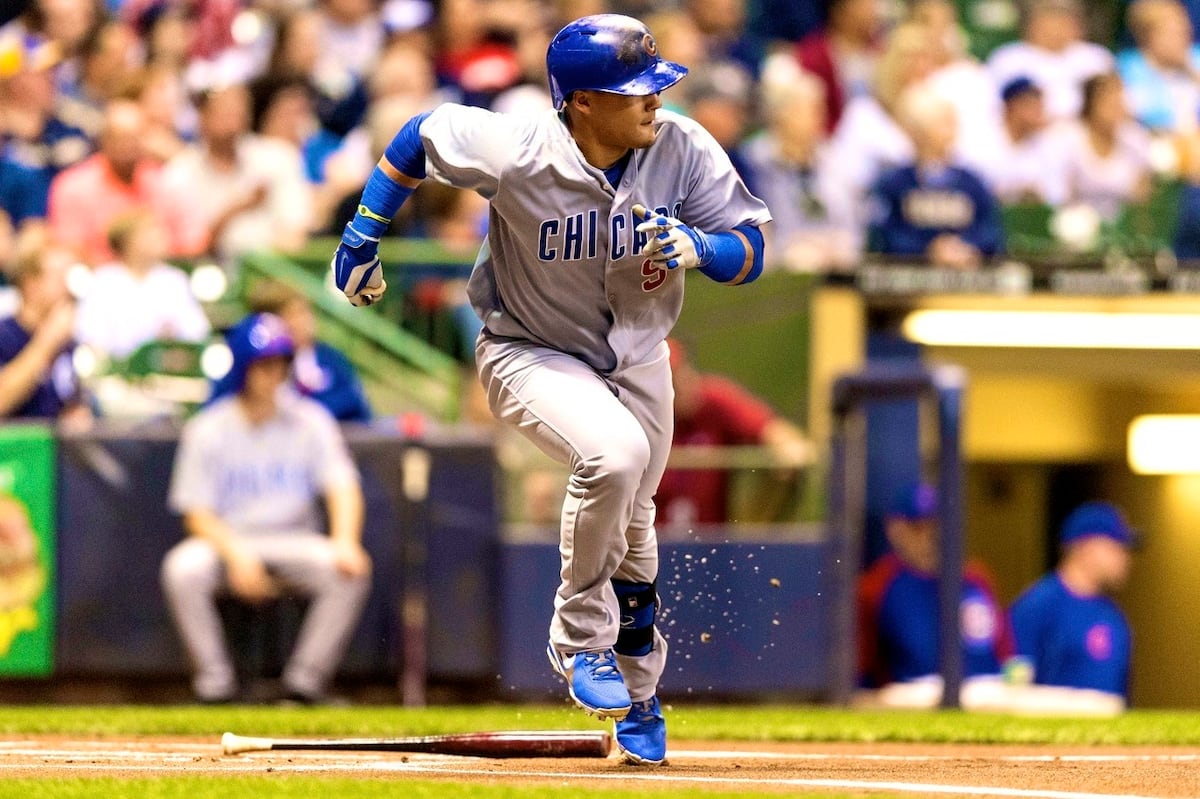
Every spring, as the real-world crack of bats echoes across sunlit stadiums, another season of baseball’s digital counterpart begins. MLB The Show, the officially licensed baseball simulation from Sony San Diego Studio, has become a cultural touchstone—not just for its annual release cycle, but for its uncanny ability to evolve, captivate, and endure. Year after year, the franchise grows in player base, cultural relevance, and critical acclaim. But why does it keep expanding? The answer lies not in a single feature or gimmick, but in a layered ecosystem of authenticity, innovation, and emotional resonance that mirrors the very soul of the sport it celebrates.
The Illusion of Perfection: How Authenticity Becomes a Gateway to Belonging
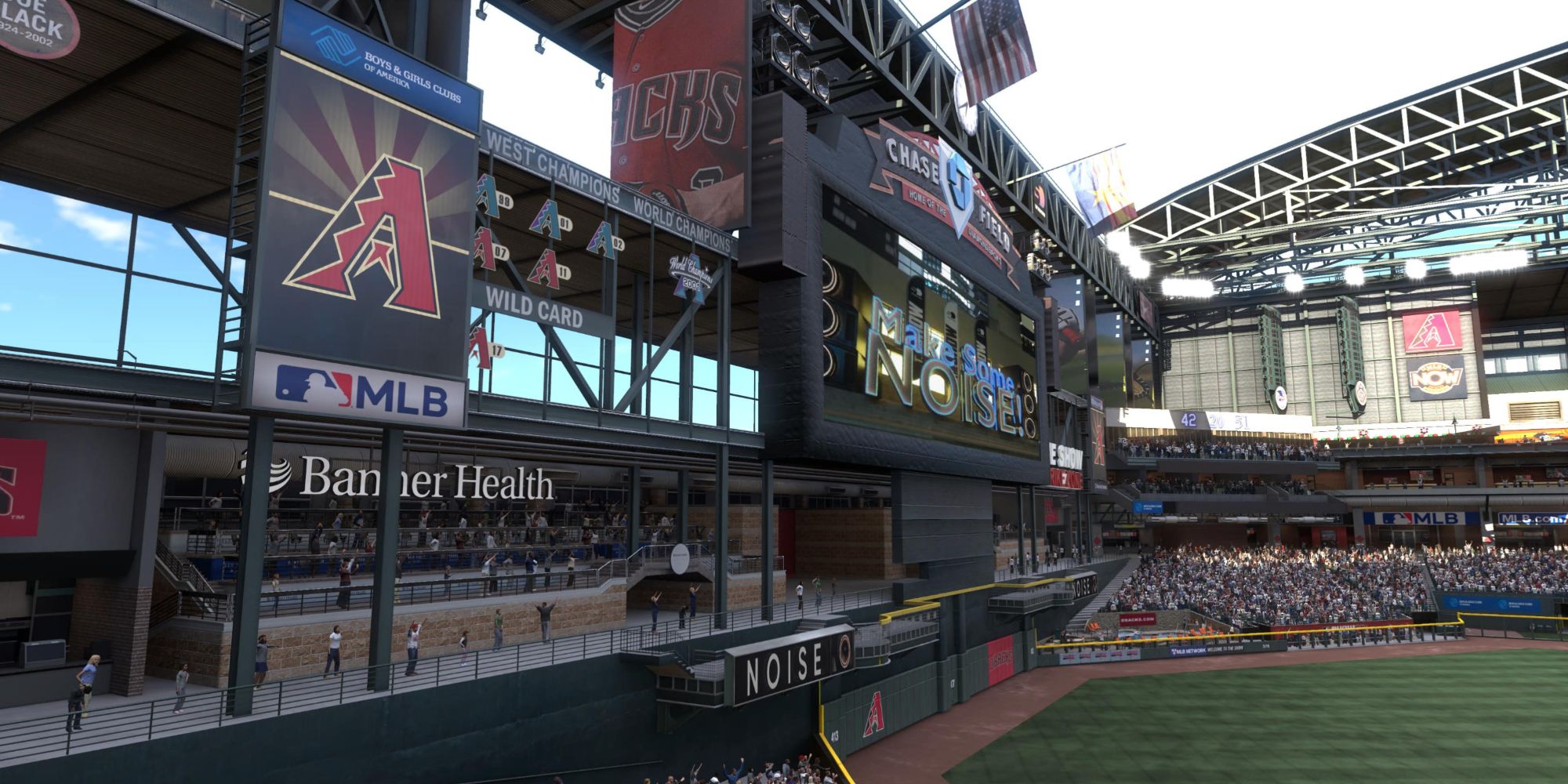
At first glance, MLB The Show is a game of pixels and polygons. Yet beneath its surface lies a meticulous recreation of baseball’s rhythms, personalities, and imperfections. The developers don’t just model stadiums—they capture the way the afternoon sun slants across Fenway’s Green Monster or how the hum of the crowd swells during a walk-off. This fidelity isn’t mere decoration; it’s an invitation. Fans don’t just play the game—they step into a world that feels like their own memories and aspirations made manifest.
Consider the Road to the Show career mode. Here, players aren’t just controlling a faceless avatar; they’re crafting a narrative. The late-night bus rides, the grueling minor-league grind, the moment of glory under the stadium lights—these aren’t abstract stats or scripted cutscenes. They’re emotional beats that resonate with anyone who’s ever dreamed of greatness. The game doesn’t just simulate baseball; it simulates the *feeling* of baseball, turning pixels into a mirror for personal ambition and identity.
Innovation as Ritual: The Yearly Evolution That Feels Like a Tradition
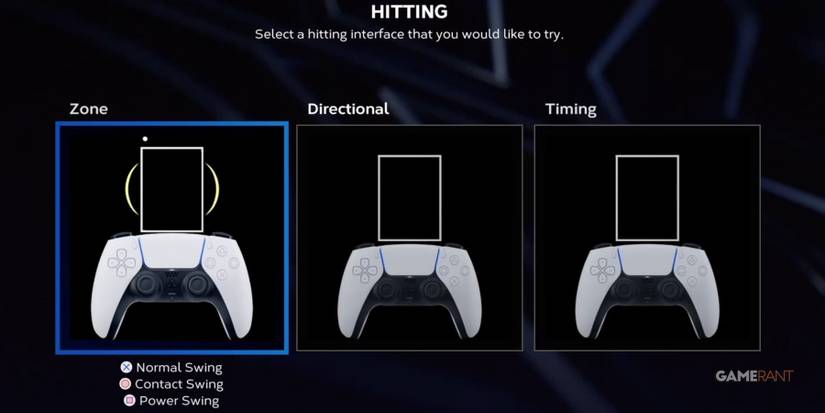
Unlike many sports games that rest on their laurels, MLB The Show treats innovation as a sacred duty. Each year brings not just incremental upgrades, but seismic shifts in how players interact with the game. The introduction of the Swing Vision mechanic, for instance, transformed batting from a reflex-based challenge into a cerebral duel of anticipation and timing. Batters now see pitch trajectories unfold in real time, a feature so intuitive that it feels less like a gimmick and more like a revelation.
But innovation isn’t confined to mechanics. The game’s progression systems—like the Diamond Dynasty’s ever-expanding card collection—mirror the cyclical nature of baseball itself. Every season, new players enter the fray, retired legends return in limited-time modes, and the meta evolves like a living organism. This dynamism ensures that even veterans feel the thrill of discovery, while newcomers aren’t overwhelmed by complexity. The game grows with its audience, ensuring that no one is left behind.
The Community as the Ninth Inning: How Shared Passion Amplifies the Experience
No baseball game exists in a vacuum, and MLB The Show understands this better than most. The online ecosystem—from co-op modes to competitive ranked seasons—has evolved into a digital ballpark where strangers become teammates, rivals, and friends. The annual Home Run Derby event isn’t just a high-score chase; it’s a global spectacle where players from Tokyo to Toronto compete in real time, their celebrations broadcast across social media in a symphony of joy and rivalry.
This sense of community extends beyond the game itself. Fan creations—from custom stadiums to elaborate card designs—circulate through forums and Discord servers, turning MLB The Show into a collaborative art project. The developers don’t just tolerate this creativity; they encourage it, embedding tools that let players shape their own experiences. In an era where digital spaces often feel isolating, the game fosters connection, proving that baseball’s magic isn’t just in the gameplay—it’s in the shared stories that emerge from it.
The Nostalgia Engine: How MLB The Show Keeps the Past Alive
Baseball is a sport steeped in history, and MLB The Show doesn’t just acknowledge this—it weaponizes it. The inclusion of classic teams, retro uniforms, and legendary players isn’t a nostalgic afterthought; it’s a bridge between generations. A 12-year-old playing as the 1975 Reds or the 1998 Yankees isn’t just reliving history—they’re inheriting it. This intergenerational appeal ensures that the game remains relevant to both lifelong fans and those discovering baseball for the first time.
Even the presentation leans into nostalgia. The broadcast-style commentary, the meticulous attention to uniform details, and the inclusion of throwback announcers like Vin Scully (in archival form) create an experience that feels like tuning into a game from another era. It’s a masterclass in emotional engineering, where the past isn’t just remembered—it’s relived.
The Unseen Hand: How Accessibility Fuels the Game’s Expansion
While MLB The Show caters to hardcore fans with deep simulation modes, it never loses sight of casual players. The game’s accessibility features—from simplified controls to AI teammates that carry weaker players—ensure that anyone can step up to the plate. This inclusivity has been a game-changer, particularly in markets where baseball isn’t the dominant sport. In regions like Europe or Asia, MLB The Show serves as an entry point, introducing new audiences to the nuances of America’s pastime.
The rise of cloud gaming and cross-platform play has further democratized the experience. Players on consoles, PCs, and even mobile devices can compete on equal footing, breaking down barriers that once limited the game’s reach. In an era where exclusivity often breeds fragmentation, MLB The Show thrives by being universally welcoming.
The Future Is Already Here: What’s Next for MLB The Show
As the game continues to grow, so do the expectations. Fans now demand not just yearly improvements, but a vision for the future. Rumors of AI-driven player development, dynamic weather systems, and even VR integration hint at a world where the line between simulation and reality blurs further. Yet the core appeal remains unchanged: MLB The Show isn’t just a game. It’s a living, breathing testament to baseball’s enduring power to inspire, challenge, and unite.
Every year, the cycle begins anew. The rosters update. The mechanics refine. The community gathers. And somewhere, a player steps into the batter’s box, heart pounding, knowing that this time—just maybe—it’ll all come together. That’s the magic of MLB The Show: it doesn’t just grow. It endures.