Baseball cards are more than just cardboard and ink—they’re fragments of history, tiny canvases that capture the essence of America’s pastime in vivid color. For many collectors, these cards represent childhood dreams, iconic moments, and the thrill of the game itself. But what happens when the time comes to part ways with a cherished collection? Selling a baseball card collection isn’t just about cashing in; it’s about navigating a market that rewards patience, knowledge, and strategy just as much as it does nostalgia. Whether you’re downsizing, passing the torch to a new generation, or simply capitalizing on a rare opportunity, the key to maximizing profit lies in understanding the ecosystem of buyers, the nuances of valuation, and the art of presentation.
At first glance, selling baseball cards might seem straightforward: snap a few photos, list them online, and wait for the offers to roll in. Yet, seasoned collectors know that the process is far more intricate. The market is a living, breathing entity, influenced by trends, player legacies, and even the whims of social media. A card’s value can skyrocket overnight if a player’s career takes an unexpected turn, or it can stagnate if the hobby’s popularity wanes. This volatility is part of what makes baseball cards so fascinating—and so challenging to sell. To turn a collection into a lucrative transaction, you must approach the process with the same dedication you once gave to assembling it.
The Art of Pre-Sale Preparation: More Than Just Dusting Off the Binder
Before you even think about listing a single card, your collection deserves a thorough audit. Think of this as the baseball card equivalent of a spring training regimen: meticulous, disciplined, and essential for peak performance. Start by cataloging every card in your possession. This isn’t just about counting; it’s about documenting condition, rarity, and provenance. A card’s grade—assigned by professional grading services like PSA or BGS—can make or break its value. Even a seemingly minor flaw, like a slight corner ding or a crease in the surface, can drop a card’s grade and, consequently, its price. Use a grading guide or consult a trusted app to assess your cards’ conditions before seeking an official grade.
Next, research is your most powerful tool. Baseball cards are commodities, but they’re also pieces of history, and their value is often tied to the stories they tell. A 1952 Mickey Mantle Topps card isn’t just a collectible; it’s a relic of the golden age of baseball, when the sport was transitioning from black-and-white broadcasts to the colorful spectacle we know today. Investigate the players featured in your collection. Have they recently been inducted into the Hall of Fame? Did they set a record that’s still unbroken? These factors can significantly influence a card’s market value. Websites like PSA’s population report or Beckett’s price guide provide invaluable data on card populations and market trends. The more you know, the harder it is for buyers to lowball you with misinformation.

Finally, consider the presentation. First impressions matter, especially in a market where buyers are inundated with options. Photograph each card against a neutral background, ensuring the lighting is bright but diffused to avoid glare. Use a high-resolution camera or smartphone, and capture multiple angles—front, back, and any distinguishing features like autographs or serial numbers. If you’re selling graded cards, include images of the grading labels. A well-documented listing not only builds trust but also justifies your asking price. Remember, you’re not just selling a card; you’re selling an experience, a piece of history that the buyer will cherish—or, ideally, flip for a profit down the line.
Choosing Your Batting Order: Where to Sell Your Cards
The platform you choose to sell your cards can be as critical as the cards themselves. Each marketplace caters to different buyers and offers distinct advantages, so selecting the right one is like choosing the perfect stadium for a big game. Auction houses like Heritage Auctions and Goldin Auctions are the major leagues of baseball card sales. They attract high-end collectors and investors willing to pay top dollar for rare cards, often resulting in record-breaking sales. However, these platforms typically require a consignment process, meaning you’ll need to trust the house with your cards and accept their commission fees, which can range from 10% to 20%. If you’re sitting on a Mickey Mantle rookie card or a pristine 1909-11 T206 Honus Wagner, an auction house is likely your best bet.
For collectors with mid-tier cards or a larger volume to sell, online marketplaces offer a more accessible route. eBay remains the undisputed heavyweight champion, with its vast user base and global reach. The platform’s auction-style listings can drive up prices through competitive bidding, while fixed-price options provide immediate sales for those eager to liquidate. However, eBay’s fees and the risk of scams or lowball offers require vigilance. Always use the platform’s authentication services for high-value cards, and consider setting a reserve price to ensure you don’t sell for less than the card’s worth. Facebook Marketplace and collector-specific groups on platforms like Discord or Reddit can also be goldmines, especially for niche cards or bulk sales. The key here is to vet potential buyers carefully and avoid sharing personal information.
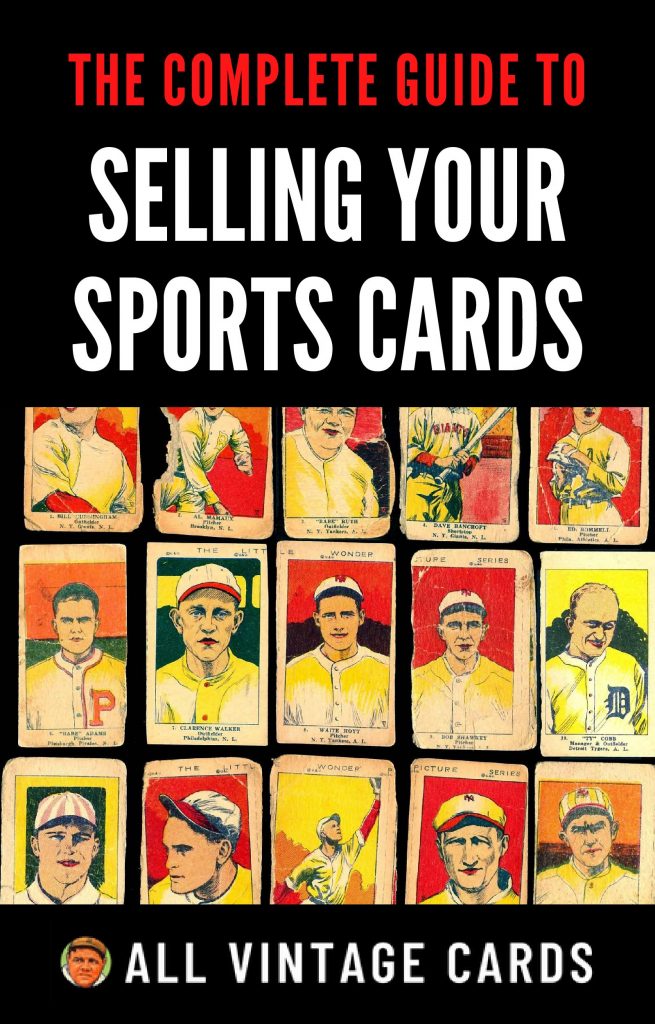
For those seeking a more personalized approach, local card shops and trading card conventions offer a human touch that digital platforms can’t replicate. A well-established shop may be willing to buy your entire collection outright, albeit at a slightly lower price than you might fetch online. Conventions, meanwhile, provide an opportunity to network with dealers and fellow collectors, often leading to private sales or consignment deals. The downside? These options can be slower and may not yield the highest possible returns. Ultimately, the best platform depends on your goals: speed, profit, or convenience. Sometimes, a hybrid strategy—starting with an online auction and then moving to a local sale—can strike the perfect balance.
The Psychology of Pricing: When to Hold ‘Em and When to Fold ‘Em
Pricing a baseball card collection is less about arithmetic and more about psychology. The market doesn’t operate on cold, hard numbers alone; it thrives on perception, emotion, and the fear of missing out. Setting the right price is a delicate dance between ambition and realism. Price too high, and your listing may languish in obscurity. Price too low, and you’ll leave money on the table—or worse, signal to buyers that your collection isn’t worth more. The first step is to anchor your pricing in data. Use recent sales of comparable cards as your baseline, adjusting for condition, rarity, and demand. Tools like Cardmarket or eBay’s sold listings can provide a wealth of historical data to inform your strategy.
Timing is another critical factor. Baseball card values often fluctuate with the seasons, much like the sport itself. The market tends to heat up in the spring, as collectors gear up for the new season, and in the lead-up to the World Series, when nostalgia and excitement peak. Conversely, the post-holiday lull in January or the dog days of August can see prices dip. Pay attention to external factors, too. A player’s induction into the Hall of Fame, a blockbuster trade, or even a viral moment on social media can send ripples through the market. If you’re holding a card featuring a player whose stock is rising, patience could pay off. Conversely, if a player’s career is in decline or their legacy is tarnished, selling sooner rather than later may be wise.
Negotiation is where the rubber meets the road. Buyers will inevitably lowball, especially on platforms like eBay where anonymity breeds boldness. Decide in advance how firm you are on your price and what concessions you’re willing to make. For high-value cards, consider setting a “best offer” option, which invites counteroffers without committing you to a fixed price. If a buyer’s offer is insultingly low, don’t be afraid to walk away. The market for baseball cards is vast, and another buyer is always just around the corner. Remember, the goal isn’t just to sell; it’s to sell for the maximum profit, and that sometimes means holding out for the right opportunity.
Sealing the Deal: Negotiation, Shipping, and Beyond
The final stretch of selling your baseball card collection is where many collectors stumble. A smooth transaction requires more than just agreeing on a price; it demands professionalism, transparency, and a keen eye for detail. Once you’ve accepted an offer, the real work begins. For graded cards, ensure the buyer understands the grading service’s encapsulation and any potential flaws noted in the grade. Unopened packs or sealed boxes should be photographed from multiple angles to confirm their condition, as disputes over misrepresented items are a common source of frustration. If you’re selling raw (ungraded) cards, consider getting them graded before shipping to add value and legitimacy to the sale.
Shipping is another critical component. Baseball cards are fragile, and a single mishap during transit can turn a profitable sale into a costly lesson. Invest in high-quality, rigid mailers or top-loaders, and use plenty of padding—bubble wrap, foam sheets, or even crumpled paper—to cushion the cards. For extra protection, double-box small items, placing the inner box inside a larger one with additional padding. Always use tracked shipping with signature confirmation for high-value items, and insure the package for its full value. A well-packaged card not only arrives safely but also reflects your professionalism, encouraging positive reviews and repeat business.

After the sale, follow up with the buyer to ensure they’re satisfied. A simple thank-you message or a quick check-in can go a long way in building a positive reputation. If you plan to continue selling, these interactions can lead to future opportunities or referrals. And don’t forget to update your inventory. Selling a collection is bittersweet, but it’s also a chance to reflect on the memories and milestones those cards represent. Whether you’re reinvesting the proceeds into new cards or using the funds for something entirely different, take a moment to appreciate the journey that brought you to this point.
Selling a baseball card collection is more than a financial transaction; it’s a rite of passage for collectors. It’s the moment when the hobby’s tangible and intangible rewards converge, when the cards that once brought joy now bring opportunity. The market for baseball cards is as dynamic as the sport itself, shaped by the same forces that drive players to greatness: timing, strategy, and a little bit of luck. By approaching the process with the same care and dedication you gave to building the collection, you can ensure that your cards find new homes where they’ll be cherished just as much as they were by you. And who knows? The buyer you choose today might one day be the seller of tomorrow, passing the torch to the next generation of collectors who will keep the spirit of baseball alive, one card at a time.