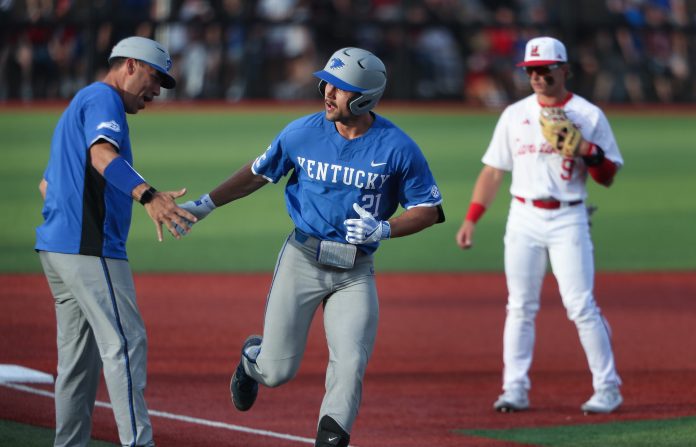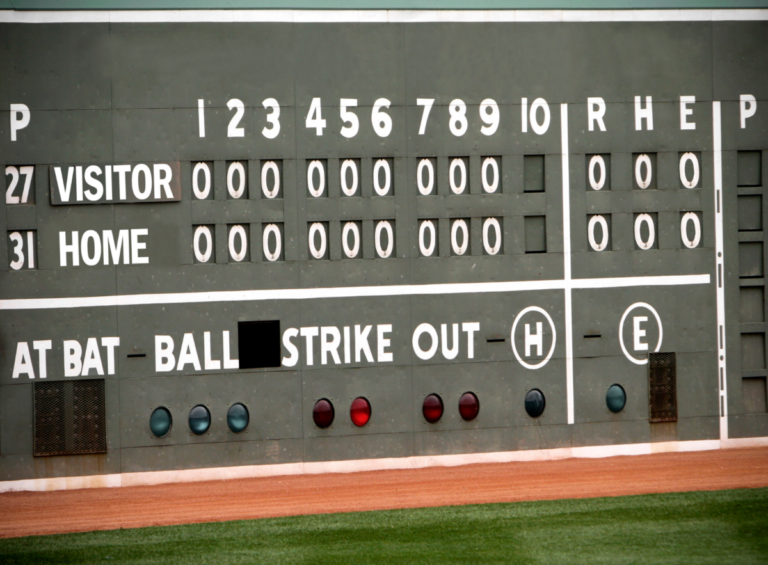
The crack of the bat echoes through the diamond, the umpire’s call reverberates across the infield, and the scoreboard stands as a silent sentinel of the game’s unfolding drama. Baseball, in its purest form, is a symphony of strategy, endurance, and precision—where every inning is a movement in a larger composition. Yet, when the sun sets on a college baseball game, the final score often reveals a number that defies the familiar cadence of nine innings. Why does college baseball, a sport steeped in tradition, sometimes dance to a different rhythm? The answer lies not in rebellion, but in evolution—a tapestry woven from the threads of fairness, competition, and the relentless pursuit of excellence.
The Nine-Inning Paradigm: A Golden Standard with Flaws
Nine innings have long been the bedrock of baseball’s identity, a structure that balances brevity with depth. It’s a format that allows for the ebb and flow of momentum, where a single pitch can shift the tide of a game. Yet, this paradigm is not without its fissures. In the crucible of college baseball, where time is a precious commodity and the demands of academia loom large, the nine-inning marathon can sometimes feel like an endurance test rather than a contest of skill. The specter of weather delays, doubleheaders, and the need to accommodate student-athletes’ schedules has forced the sport to adapt, to bend without breaking the spirit of the game.
Consider the doubleheader, a relic of baseball’s past that still haunts the present. Two games in one day, a test of stamina for both players and spectators. In such instances, the nine-inning grind can become a grueling ordeal, draining the energy from the diamond and the enthusiasm from the stands. College baseball, in its wisdom, has occasionally opted for a more merciful path—seven innings per game in a doubleheader, a concession to pragmatism that preserves the integrity of the sport without sacrificing its soul.
The Seven-Inning Game: A Sprint, Not a Marathon
Seven innings—where the game becomes a sprint, a blur of action that demands intensity from the first pitch to the last. This format, often employed in doubleheaders or special events, is a calculated gamble, a trade-off between tradition and efficiency. The shorter duration amplifies the pressure on every play, turning a routine ground ball into a potential game-changer. Pitchers, relieved of the burden of navigating the late innings, can unleash their full arsenal with reckless abandon, knowing that the finish line is closer than it appears.
Yet, the seven-inning game is not merely a truncated version of its nine-inning counterpart. It is a distinct entity, a separate chapter in baseball’s narrative. The absence of the ninth inning strips away the psychological warfare that defines late-game strategy—the intentional walk, the sacrifice bunt, the high-stakes duel between batter and pitcher. Instead, the seven-inning game thrives on immediacy, where every out is a victory, and every run is a hard-earned prize. It’s a format that rewards aggression, punishes hesitation, and keeps spectators on the edge of their seats until the final out is recorded.
Weather and the Unpredictable Dance of the Diamond
The outdoors is both baseball’s greatest ally and its most capricious foe. A sudden downpour can transform a meticulously planned game into a soggy spectacle, while gusting winds can turn a routine fly ball into a home run or a harmless grounder into an outfield error. College baseball, played under the open sky, is uniquely vulnerable to the whims of the weather. When the skies darken and the thunder rumbles, the nine-inning structure can become a liability—a game that must be completed, no matter the cost.
Enter the mercy rule, a silent guardian of sanity in the face of nature’s fury. In many college baseball games, if a team leads by a significant margin after a set number of innings (often five or seven), the contest is called, sparing both teams the indignity of a weather-induced slog. This rule is not born of cowardice, but of respect—for the players’ time, for the fans’ patience, and for the game itself. It’s a reminder that baseball, at its core, is a game of skill and strategy, not a battle against the elements.
The Doubleheader Dilemma: Balancing Act on the Diamond
Doubleheaders are the crucible in which college baseball’s adaptability is tested. Two games in one day, a test of endurance for players and a logistical nightmare for organizers. The traditional nine-inning format, when applied to both games, can lead to a marathon that stretches into the evening, leaving spectators bleary-eyed and players drained. The solution? The seven-inning doubleheader, a format that compresses the action without diluting the drama.
This approach is not without controversy. Purists argue that it undermines the sanctity of the nine-inning game, that it reduces baseball to a mere spectacle of speed over substance. Yet, the seven-inning doubleheader serves a purpose beyond convenience—it preserves the integrity of the sport by ensuring that both games are played with the same intensity and focus. It’s a compromise, a middle ground between tradition and pragmatism, where the game’s essence remains intact even as its structure bends to the demands of reality.
Playoff Purgatory: The Marathon of Postseason Baseball
Postseason baseball is where the nine-inning format truly shines, where the stakes are highest and the drama most intense. The college baseball playoffs, with their best-of-three or best-of-five series, are a testament to the endurance and skill of the teams that reach them. Yet, even in the crucible of postseason play, the nine-inning structure is not absolute. Rain delays, rescheduled games, and the need to accommodate travel schedules can lead to creative scheduling—including the occasional seven-inning game to ensure that the tournament progresses smoothly.
This flexibility is a double-edged sword. On one hand, it allows the tournament to move forward, to honor the competitive spirit of the game. On the other, it risks diluting the prestige of the event, reducing the significance of each inning in the eyes of the players and fans. Yet, the playoffs are where the adaptability of college baseball is most evident—a reminder that the sport is not bound by rigid rules, but by the spirit of competition and the pursuit of excellence.
The Soul of the Game: What Remains Unchanged
Amidst the shifting sands of inning counts and scheduling quirks, one truth remains immutable: the soul of baseball is not found in the number of innings, but in the moments they contain. A walk-off home run in the ninth inning is no less thrilling than a game-ending strikeout in the seventh. The crack of the bat, the roar of the crowd, the tension of a bases-loaded situation—these are the elements that define the game, regardless of its duration.
College baseball, with its blend of tradition and innovation, embodies this spirit. It is a sport that respects its past while embracing the future, that adapts without losing sight of its core. Whether played in seven innings or nine, under the blazing sun or the threat of rain, the game remains a testament to the enduring appeal of baseball—a sport where every pitch, every swing, and every out is a story waiting to be told.