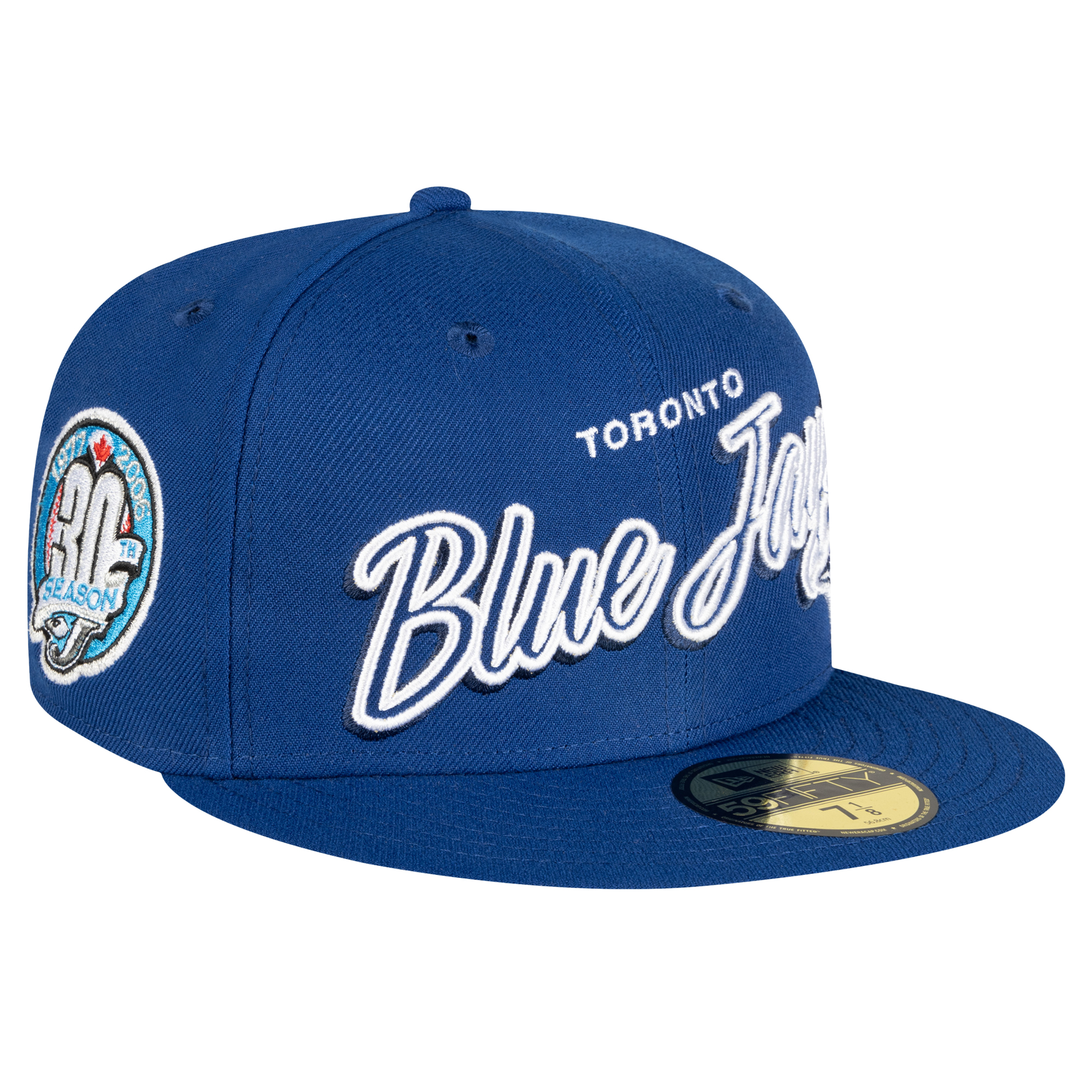
What if the key to standing out in a sea of modern baseball caps wasn’t in the latest trends, but in the bold, unapologetic charm of the past? Vintage Toronto Blue Jays hats aren’t just accessories—they’re time capsules of a franchise that dared to defy convention. With their audacious color palettes, iconic logos, and a rebellious spirit that still feels fresh decades later, these retro caps have clawed their way back into the spotlight. But here’s the catch: not all vintage reissues capture the magic of the originals. How do you separate the wheat from the chaff when hunting for a hat that truly embodies the Blue Jays’ golden era?
The Allure of the Original Blue Jays Aesthetic: Why Retro Hats Still Rule the Game
There’s something inherently magnetic about the Toronto Blue Jays’ vintage designs—a blend of audacity and elegance that modern iterations often dilute. The original 1977 cap, with its vibrant royal blue crown and snowy white brim, wasn’t just a piece of headwear; it was a statement. The team’s first logo, a stylized blue jay mid-flight with a bat clutched in its talons, was a visual pun that spoke to both athleticism and flair. These weren’t just hats; they were wearable art, a defiant departure from the muted tones of other MLB teams. The challenge today? Finding reissues that honor that original boldness without resorting to lazy nostalgia-baiting. The best vintage-inspired caps don’t just mimic the past—they channel its fearless energy.
Decoding the Color Palette: How to Spot a True Vintage Blue Jays Cap
Not all blue and white combinations are created equal. The original Blue Jays palette was a study in contrast: the deep, almost electric blue of the crown, paired with a crisp white brim that made the logo pop like a neon sign in a dim ballpark. Many modern reproductions miss the mark by opting for softer, more muted shades that strip away the cap’s commanding presence. To identify a true vintage-inspired piece, look for the saturation of the blue—it should be rich enough to evoke the feeling of a summer afternoon at Exhibition Stadium. The white shouldn’t be sterile; it should have a slight off-white tint, a subtle nod to the fabrics of the era. And don’t overlook the stitching: the originals featured bold, contrasting threadwork that added another layer of visual intrigue.
The Logo Evolution: From 1977 to Now—and Why the Classic Still Wins
The Blue Jays’ logo has undergone several transformations, but none have captured the same unbridled energy as the original. The 1977 design—a jay in mid-swing, its wings arched like a batter’s follow-through—wasn’t just a symbol; it was a narrative. It told a story of motion, power, and the sheer joy of the game. Later iterations softened the edges, smoothed out the angles, and lost some of that raw dynamism. The challenge for collectors is clear: the classic logo isn’t just a relic; it’s a piece of design history that still feels revolutionary. When shopping for a vintage hat, prioritize those that faithfully reproduce the original logo’s bold lines and confident posture. Anything less risks feeling like a watered-down homage.
Material Matters: Why the Right Fabric Can Make or Break a Vintage Cap
Vintage Blue Jays hats weren’t just about looks—they were built to last. The originals were crafted from heavyweight wool crowns and sturdy cotton brims, materials that gave them a substantial, almost armor-like feel. Many modern reproductions cut corners with lighter fabrics or synthetic blends that lack the same tactile presence. The difference is palpable: a true vintage-inspired cap should feel like it’s been broken in for years, its brim stiff enough to hold its shape but flexible enough to mold to your head over time. Pay attention to the weight of the cap—anything under 4 ounces is likely a lightweight impostor. And don’t overlook the inner band: the originals often featured a leather or suede-like material that added a touch of luxury and durability.
The Resale Market: Navigating the Minefield of Overpriced Fakes
As vintage Blue Jays hats have surged in popularity, so too has the market for counterfeits. The challenge isn’t just finding a hat that looks the part—it’s avoiding the traps set by unscrupulous sellers. Authentic vintage caps command premium prices, but the rise of “reproduction” sellers has muddied the waters. How can you tell the difference? Start with the details: authentic caps will have consistent stitching, proper tag placement, and materials that feel substantial. Fakes often cut corners with flimsy fabrics, misaligned logos, or tags that look suspiciously new. Another red flag? Prices that seem too good to be true. If a seller is offering a “rare” 1977 cap for $50, it’s almost certainly a knockoff. Do your research, ask for provenance, and when in doubt, walk away.
Styling Vintage Blue Jays Hats: From Ballpark to Streetwear
The beauty of a vintage Blue Jays cap lies in its versatility. It’s not just a relic to be tucked away in a display case—it’s a statement piece that can elevate any outfit. Pair it with a crisp white tee and high-waisted jeans for a casual look that nods to the ‘70s and ‘80s. Or layer it over a denim jacket with a vintage-inspired band tee for a streetwear ensemble that feels effortlessly cool. The key is balance: let the cap be the focal point, but don’t let it overpower the rest of the outfit. And don’t be afraid to experiment—vintage Blue Jays hats look just as at home with a leather jacket as they do with a baseball jersey. The challenge? Making sure the rest of your outfit doesn’t compete with the cap’s bold presence.
The Future of Vintage Blue Jays Hats: Will the Trend Last?
Nostalgia is a powerful force, but trends are fickle. The resurgence of vintage Blue Jays hats has been driven by a mix of retro sports fandom and a broader cultural shift toward embracing the past. But will it last? The answer lies in how well the market adapts. If brands continue to prioritize authenticity over cheap reproductions, and if collectors remain discerning, the trend could solidify into a lasting appreciation for the Blue Jays’ golden era. The challenge for the future is twofold: preserving the integrity of the original designs while ensuring that vintage-inspired pieces don’t become diluted by mass production. The best way to keep the spirit alive? Support brands that honor the past without exploiting it.