The pursuit of athletic excellence is often measured in sweat, strategy, and sheer endurance. Among the world’s most grueling sports, few demand the relentless stamina and mental fortitude required by baseball’s marathon season. While other disciplines boast longer calendars or more frequent competitions, baseball’s 162-game grind stands as a testament to both tradition and tribulation. Yet, it is not alone in its endurance odyssey. From the endurance feats of cycling’s Grand Tours to the relentless schedule of European football, the landscape of sports seasons reveals a fascinating hierarchy of physical and logistical demands. This exploration delves into the lengthiest athletic seasons across disciplines, examining what makes them uniquely taxing, and where baseball’s 162-game gauntlet fits within this global tapestry of perseverance.
The Marathon of Major League Baseball: A 162-Game Odyssey
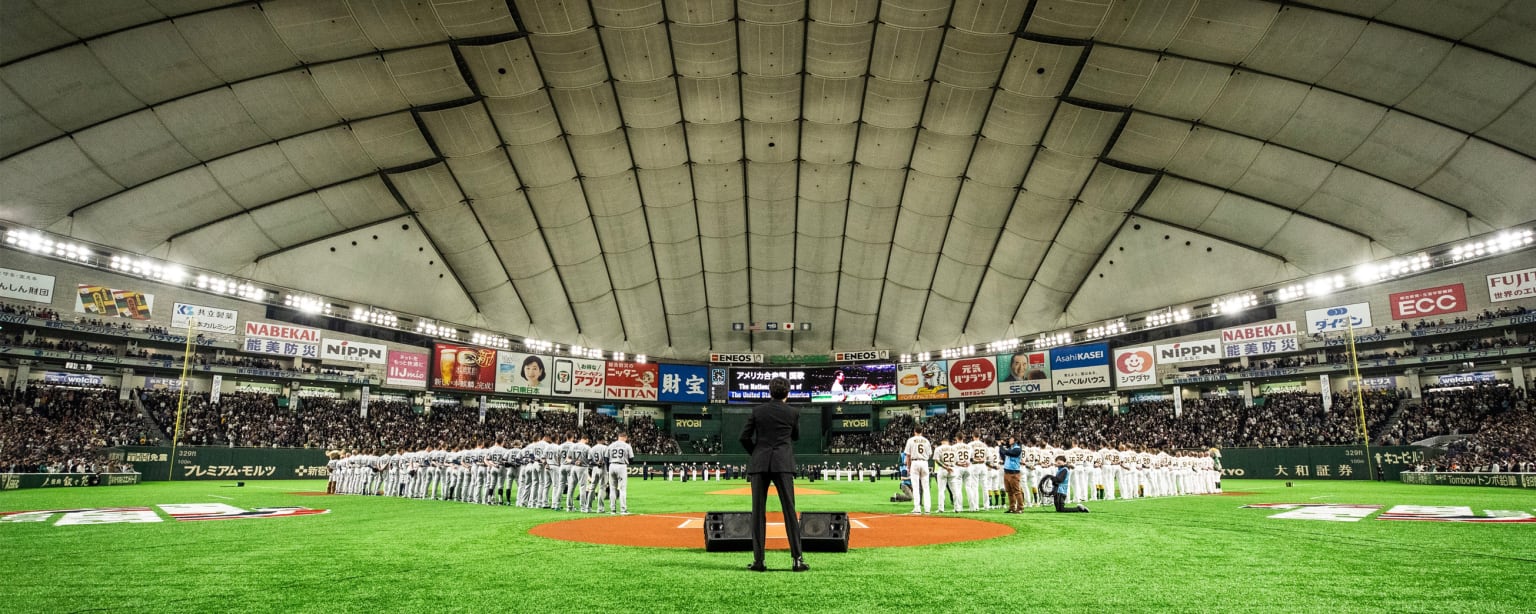
Baseball’s regular season stretches from April’s thawing breezes to October’s crisp afternoons, a 162-game pilgrimage that tests players’ bodies and minds like few others. Unlike sports governed by time or sudden-death formats, baseball’s rhythm is dictated by innings, pitch counts, and the merciless calculus of wins and losses. Each game demands precision, from the pitcher’s 100-mph fastball to the outfielder’s sprint to the warning track. Over six months, the wear compounds: blisters form, shoulders scream, and the mental grind of maintaining focus through every pitch becomes a Herculean task.
The season’s length is not merely a test of skill but a crucible of consistency. A single bad week can derail a team’s playoff hopes, while a hot streak in September can resurrect a franchise’s dreams. The grind is exacerbated by travel—cross-country flights, time-zone shifts, and the physical toll of playing in stadiums from Denver’s thin air to Miami’s oppressive humidity. For pitchers, the wear is particularly acute; a starter’s 30-game workload, with just four days’ rest between outings, is a marvel of endurance that few other sports can rival. Even position players, though less burdened by pitch counts, must endure the daily grind of batting practice, defensive drills, and the psychological pressure of performing under the microscope.
Beyond Baseball: The Ultra-Long Seasons of Other Sports
While baseball’s 162 games are legendary, they are not the longest season in professional sports. That distinction belongs to the world of cycling, where the Grand Tours—such as the Tour de France, Giro d’Italia, and Vuelta a España—stretch over three weeks of relentless competition. Yet, the true marathon lies in the cumulative effect of the season itself. A professional road cyclist may compete in over 100 days of racing across the calendar year, from one-day classics to multi-stage tours, each demanding superhuman recovery and tactical acumen. The physical toll is staggering: riders lose body weight, suffer from chronic fatigue, and push their cardiovascular systems to the brink in pursuit of victory.
In the realm of endurance team sports, rugby union’s domestic seasons can rival baseball’s in length. In England’s Premiership, for example, teams play upwards of 25 league matches, plus cup competitions and international duties, culminating in a season that spans nearly nine months. The collision sport’s brutal physicality—tackles, scrums, and high-speed collisions—makes recovery a daily challenge. Similarly, Australian rules football’s AFL season stretches to 23 regular-season games, followed by a finals series that can add another month of high-stakes play. The combination of speed, endurance, and the sheer brutality of the sport makes it one of the most physically demanding seasons in team sports.
The Unyielding Grind of European Football: A Season Without Pause
European football, or soccer, presents a different kind of endurance test—one defined by relentless fixture congestion rather than a single elongated season. In leagues like England’s Premier League, Spain’s La Liga, or Germany’s Bundesliga, teams play 38 league matches over nine months, but the calendar is further burdened by domestic cups, continental competitions, and international breaks. For top clubs, the season can stretch to nearly 60 competitive matches, with players often competing every three days during peak periods. The physical demands are compounded by the tactical demands of modern football, where high pressing and rapid transitions require near-constant mental engagement.
The Champions League, Europe’s premier club competition, adds another layer of complexity. Clubs that qualify for the tournament must navigate a gauntlet of two-legged knockout ties, often in the midst of domestic league battles. The mental and physical toll is evident in the frequency of injuries among players who are pushed to their limits. Even stars like Mohamed Salah or Kevin De Bruyne have spoken about the cumulative fatigue that comes from playing at such a high intensity for months on end. The European football season, with its lack of true off-seasons, is a testament to the sport’s global appeal—and its unrelenting demands.
Individual Sports: The Ultra-Endurance Specialists
For athletes in individual sports, the seasons are often defined by the number of competitions rather than the length of a single event. In tennis, for example, the ATP and WTA tours span nearly 11 months, with players competing in dozens of tournaments across the globe. The grind is particularly brutal for those who play both singles and doubles, or who push deep into every event. The Grand Slam tournaments—Wimbledon, the US Open, the French Open, and the Australian Open—are just the tip of the iceberg, with players often arriving at each major after months of travel and competition. The physical toll is evident in the frequency of injuries among players who are pushed to their limits in every match.
In golf, the PGA Tour season stretches from October to September, with players competing in over 40 events across the globe. The mental demands of the sport—maintaining focus over four rounds, navigating pressure-packed putts, and adapting to ever-changing course conditions—are compounded by the travel and the lack of a true off-season. The Ryder Cup, a biennial team event, adds another layer of intensity, with players often competing in high-pressure matches just weeks after a grueling major championship. For golfers, the season is a test of both physical and mental endurance, with the best players able to maintain consistency over the long haul.
Where Baseball Ranks: The Unique Burden of the 162-Game Grind
In the pantheon of sports seasons, baseball’s 162-game marathon occupies a unique position. It is neither the longest in terms of days nor the most physically taxing in a single contest, but it is one of the most relentless in its cumulative demands. Unlike cycling’s Grand Tours or European football’s fixture congestion, baseball’s season is a slow burn—a steady accumulation of games, travel, and mental strain that tests the limits of human endurance. The mental aspect is often overlooked: the monotony of daily routines, the pressure of maintaining performance, and the psychological toll of failure are all part of the grind.
Baseball’s season is also uniquely structured. With no true mid-season break, players must maintain peak performance from April to October, with the playoffs adding another layer of intensity. The 162-game schedule is a test of durability, with players often forced to play through injuries or fatigue in the pursuit of a playoff spot. The grind is particularly acute for pitchers, who must manage their workloads carefully to avoid burnout or injury. Yet, for all its challenges, the season is also a celebration of the sport’s traditions—the crack of the bat, the roar of the crowd, and the timeless rhythm of the game.
The Psychological Toll: Mental Endurance in the Face of the Grind
The true test of any long sports season is not just physical but mental. The ability to maintain focus, motivation, and resilience over months of competition is what separates the good from the great. In baseball, the mental grind is evident in the frequency of slumps, the pressure of clutch performances, and the ability to bounce back from defeat. Players must develop coping mechanisms—whether through routines, mental training, or support systems—to navigate the highs and lows of a 162-game season. The mental toll is particularly acute for those in high-pressure roles, such as closers or leadoff hitters, who are expected to deliver in critical moments.
In other sports, the mental demands are equally taxing. In tennis, the solitude of the court amplifies the pressure, with players often left to their own devices to manage stress and expectations. In golf, the mental game is everything, with players forced to maintain composure after a bad shot or a missed putt. In cycling, the isolation of the peloton and the relentless pace of the race demand a level of mental fortitude that few can sustain. The psychological endurance required to thrive in these environments is a testament to the human capacity for resilience—and a reminder that the longest seasons are as much about the mind as they are about the body.
Conclusion: The Endurance Spectrum of Sports
The world of sports is a tapestry of endurance, with each discipline offering its own unique challenges. Baseball’s 162-game season is a testament to the sport’s tradition and the relentless grind of its athletes, but it is not alone in its demands. From cycling’s Grand Tours to European football’s fixture congestion, from tennis’s global tour to golf’s relentless schedule, the spectrum of athletic endurance is vast and varied. Each season tests the limits of human performance, demanding not just physical prowess but mental resilience, tactical acumen, and an unyielding will to compete. In this landscape, baseball’s marathon stands as a symbol of perseverance—a reminder that the longest seasons are not just about the number of games played, but the depth of character required to endure them.