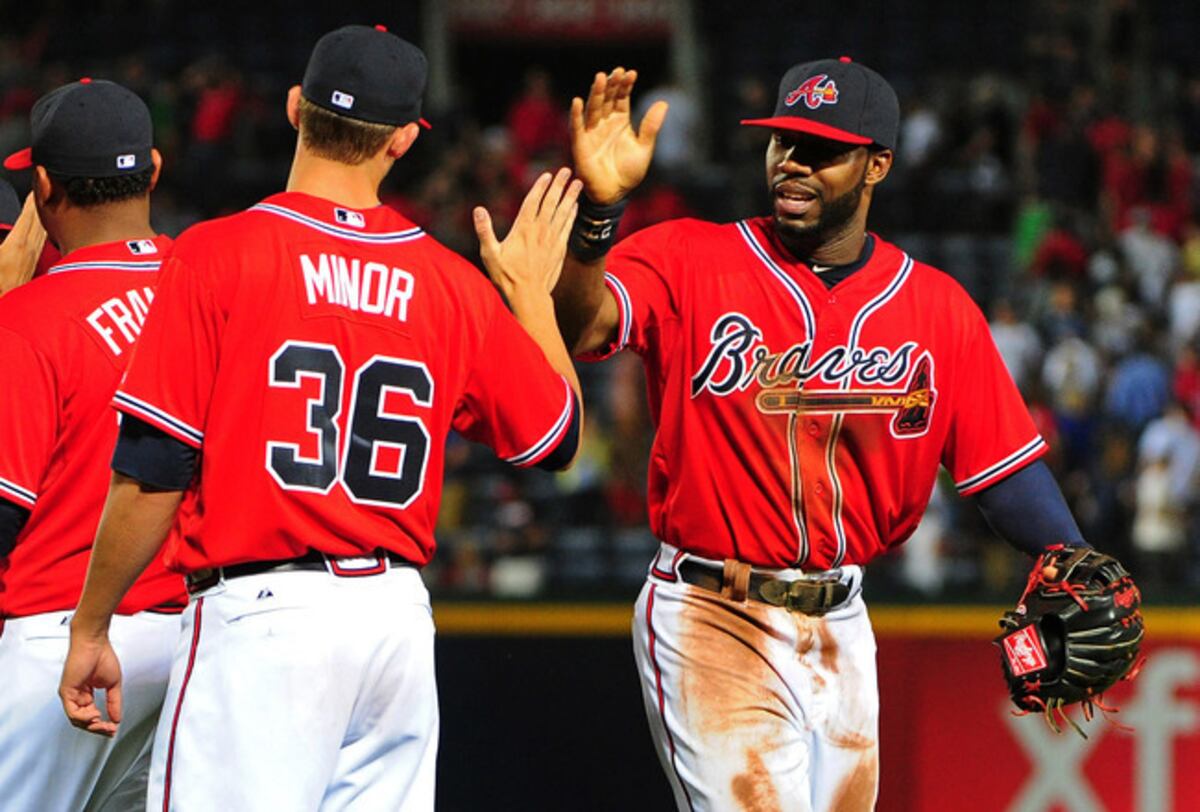
In the sprawling ecosystem of professional baseball, minor league players often find themselves playing a game far beyond the diamond—one of financial uncertainty and elusive reward. Like alchemists chasing the dream of turning raw talent into golden success, these athletes face a stark reality: the minimum salary for Minor League Baseball players remains a complex, often disheartening tale of pay disparity. Beneath the crack of the bat and the roar of the crowd lies a narrative seldom told, echoing the discordant clash between hope and hardship.
The Landscape of Minor League Salaries: A Patchwork of Pay
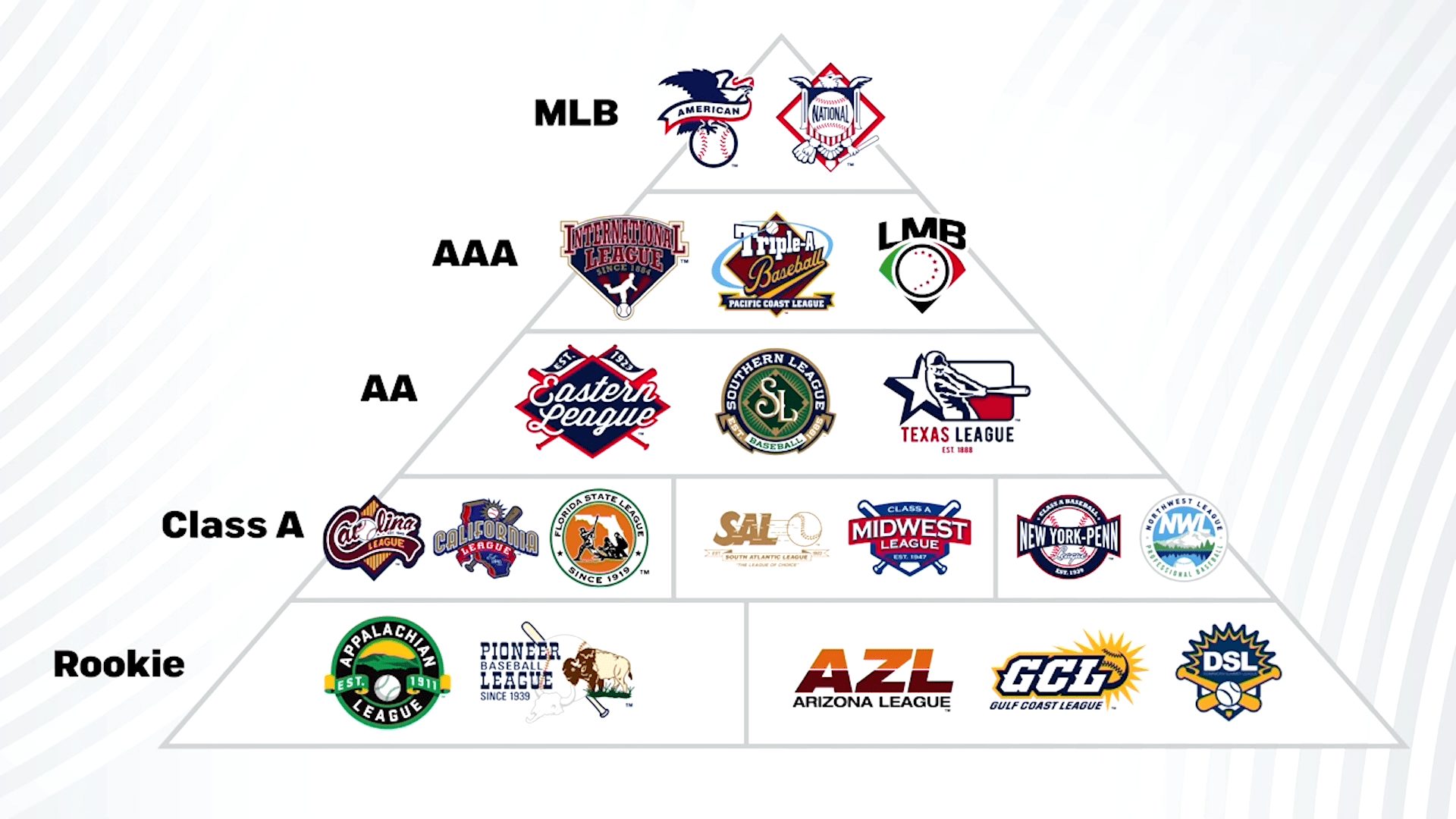
The labyrinthine structure of Minor League Baseball encompasses multiple tiers, from Rookie ball to Triple-A, each with its own salary spectrum. Unlike the glittering contracts of Major League Baseball, the minimum salaries here resemble a fractal tapestry, stitched unevenly. Players earning the bare minimum are often compensated with wages that teeter on the edge of subsistence, an economic tightrope walk intensified by seasonal contracts that span only a few months. These salaries, sometimes less than the federal minimum wage on an hour-to-hour basis, create a situation where passion fuels perseverance, but financial pragmatism is painfully elusive.
Unveiling the Pay Gap: Why the Disparity Persists
The pay gap in Minor League Baseball is not a mere oversight; it is a systemic artifact born from the historical and operational architecture of the sport. Major League teams, while nurturing prospects, do not directly compensate these players with the same generosity. Instead, pay structures are governed by the collective bargaining agreements and influenced by the economics of ticket sales, sponsorships, and league revenues that pale in comparison to the majors. This gulf widens due to ancillary costs borne by players themselves—housing, travel, equipment—often pulled from their already meager earnings. The resultant chasm between Major and Minor League salaries is a stark reminder of the hierarchical stratification within baseball’s professional ranks.
The Human Cost: Living on the Edge
Behind the numbers and contracts, the reality experienced by minor leaguers is evocative of a precarious tightrope walk. Their lives often become a juggling act between training regimens, personal sacrifices, and making ends meet amidst financial insecurity. Many players resort to offseason jobs or rely on family support to bridge the gap. This financial precarity influences mental health and career longevity, casting shadows over the otherwise luminous dream of ascending to the major leagues. The salary inadequacy is more than a fiscal problem—it is a multifaceted challenge that affects the holistic well-being of the athletes who embody the future of baseball.
The Role of MLB and Reform Efforts
In recent years, conversations around reforming Minor League salaries have gained traction, spurred by public scrutiny and player union advocacy. The Major League Baseball Players Association and independent organizations have championed increased wages, better housing stipends, and enhanced working conditions. While some incremental improvements have been introduced—such as rising minimum salaries and improved facilities—progress remains halting. The interplay between profit motives and player welfare continues to complicate reform, requiring a delicate balance that respects tradition yet demands modernization. The dialogue reflects broader societal debates about labor value, fairness, and the ethics of professional sports economics.
Why the Unique Appeal of Minor League Baseball Persists Despite the Pay Gap
Despite the financial quandaries, Minor League Baseball retains an indelible charm that captivates players and fans alike. It is a crucible where raw, unvarnished talent intersects with grassroots American culture. The intimate ballparks, the smell of popcorn mingled with fresh-cut grass, and the palpable camaraderie amongst teammates conjure a nostalgic essence of the sport’s soul. For players, this environment is not merely a stepping stone—it is a stage where dreams are rehearsed, characters forged, and legends quietly incubated. The modest pay becomes a footnote in a larger narrative of resilience, aspiration, and the relentless pursuit of greatness.
The Future of Minor League Salaries: Challenges and Opportunities
Looking ahead, the trajectory ofMinor League pay hinges on multifaceted factors including economic shifts, evolving labor laws, and changes within baseball’s organizational frameworks. Technological advances and new media deals promise expanded revenue streams, potentially alleviating some of the financial strain. However, systemic inertia and entrenched traditions present formidable barriers. Advocates argue that meaningful progress will require bold structural reforms that redefine how the sport values and invests in its developmental tier. The path forward is neither linear nor certain, but one thing remains clear: the vitality of Minor League Baseball depends not only on the players’ talent but on a compensated foundation that sustains their commitment.
Conclusion: A Call for Equity Beneath the Spotlight
The tale of the minimum salary in Minor League Baseball is emblematic of a broader societal narrative about labor, merit, and valuation. It is a story punctuated by contrasts—the brilliance of athletic pursuit shadowed by economic constraint, dreams illuminated by financial dimness. As the sport continues to evolve, so too must the structures that support the players who embody its future. Bridging the pay gap is not simply an economic necessity—it is an imperative for preserving the integrity, accessibility, and soul of America’s pastime. In this arena where every swing and catch contributes to a collective history, fairness and respect for the labor behind the spectacle must finally find their rightful place.